AI Summary
Overview
Three conditions: Cats can wear collars, but only with a breakaway (safety-release) clasp, a fit loose enough for two fingers, and a cat that accepts wearing it.
Risks: Human necklaces and decorative pet jewelry are not safe substitutes — they can catch on furniture, trap a jaw, or come apart into swallowable pieces. If a cat resists a collar, skipping it is the safer choice.
Yes, cats can wear collars — with three conditions
The honest answer is: some cats can, some should not. Three things decide it:
- Breakaway clasp. The collar must have a clasp that pops open under pressure, so a caught collar releases instead of strangling or trapping the cat.
- Correct fit. Loose enough to slide two fingers under, tight enough not to slip over the head.
- Cat acceptance. The cat does not paw at it, chew it, or try to pull it off all day. A collar a cat fights is a collar that should come off.
If any of those three fails, the safest answer is no collar.
Why a breakaway clasp is the line you do not cross
A fixed collar — or anything resembling human jewelry — turns ordinary cat behavior into a hazard. Cats squeeze into tight spots, rub against edges, and hook their jaw on things. With a non-release collar, a snag becomes a strangulation or entrapment risk instead of a small scare.
Breakaway collars solve exactly this: when enough force pulls the collar, the clasp separates and the collar falls free. The cat is unharmed; you pick the collar up off the floor. This is why veterinary guidance and collar manufacturers both treat a breakaway clasp as the baseline for any cat collar, not a premium feature.
The risks that are easy to underestimate
Owner reports we reviewed — including accounts from a veterinary forum and from our own customers — keep coming back to the same four failure modes:
1. Jaw and mouth entrapment
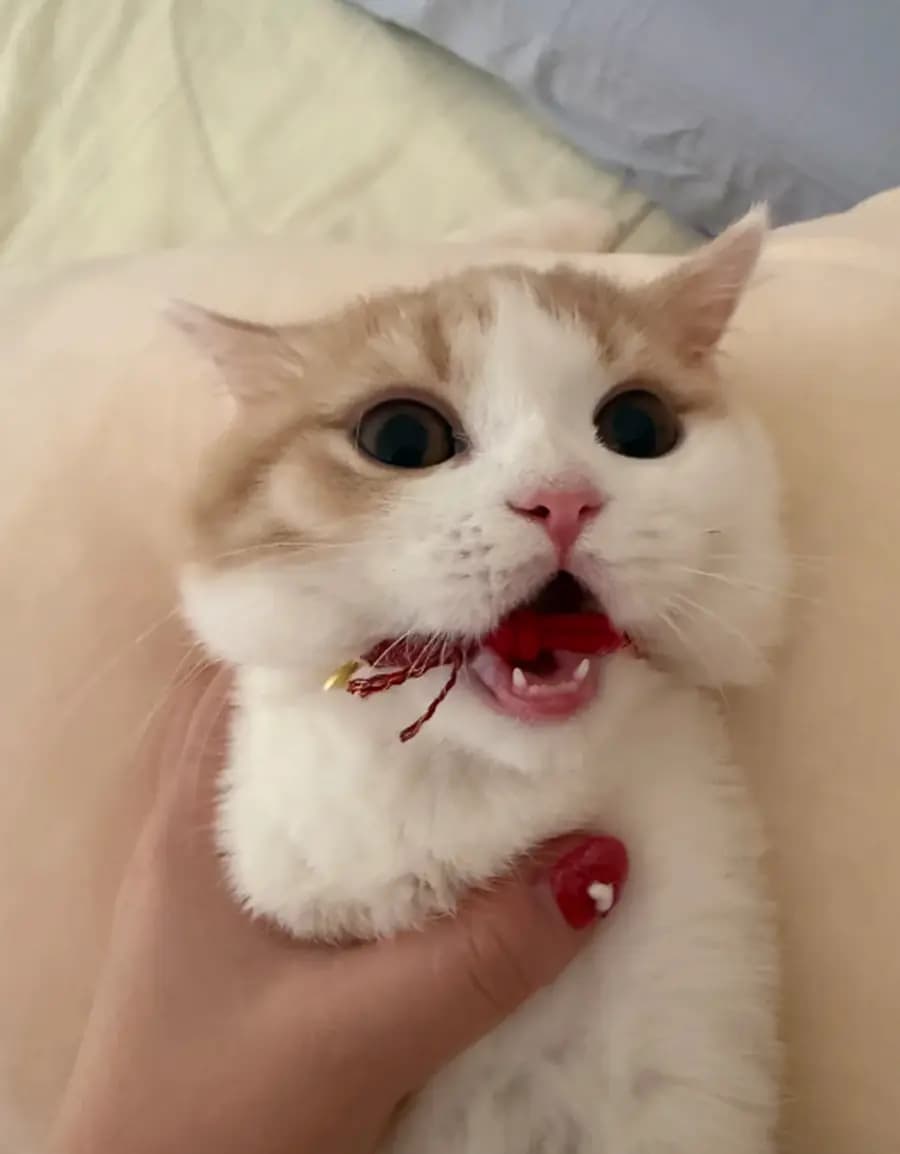
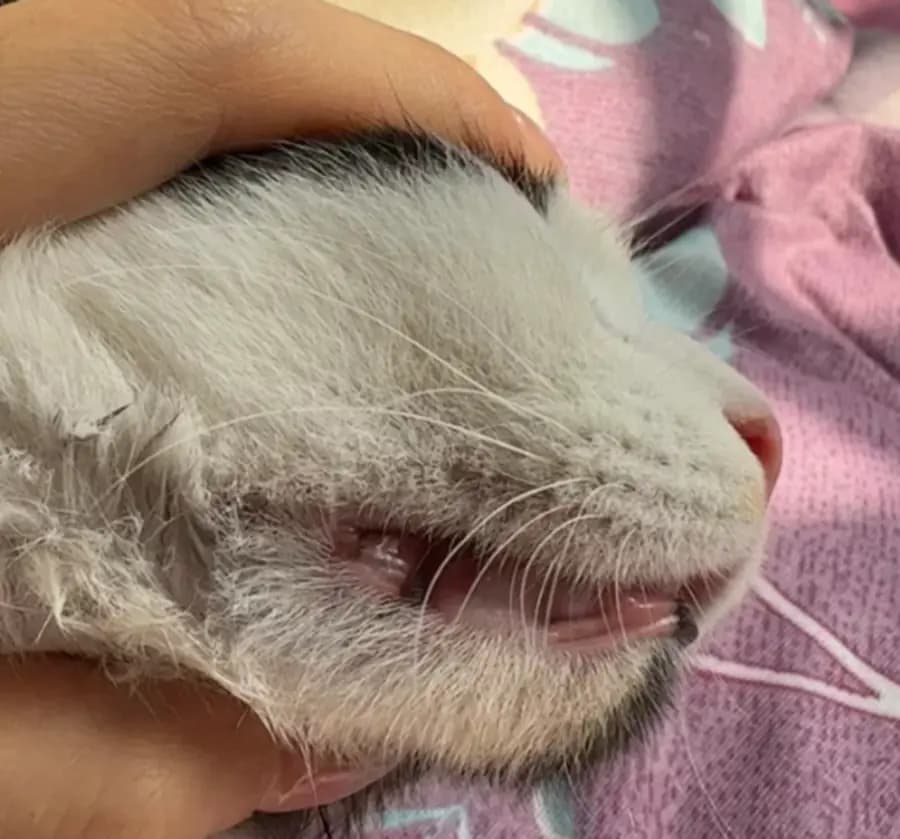
A collar or necklace worn slightly loose can slip forward, and a cat's lower jaw can hook under it. One owner described exactly this: a decorative collar fitted "a little loose" slid down, the cat's chin caught underneath, and the cat panicked — the owner had to free it by hand. The cat was fine, but it was a genuine close call.
2. Strangulation on a snag
Collars catch on door handles, furniture, and climbing posts. Without a release clasp, a caught collar keeps pulling until something gives — and it is usually the cat's neck, not the collar.
3. Swallowed pieces
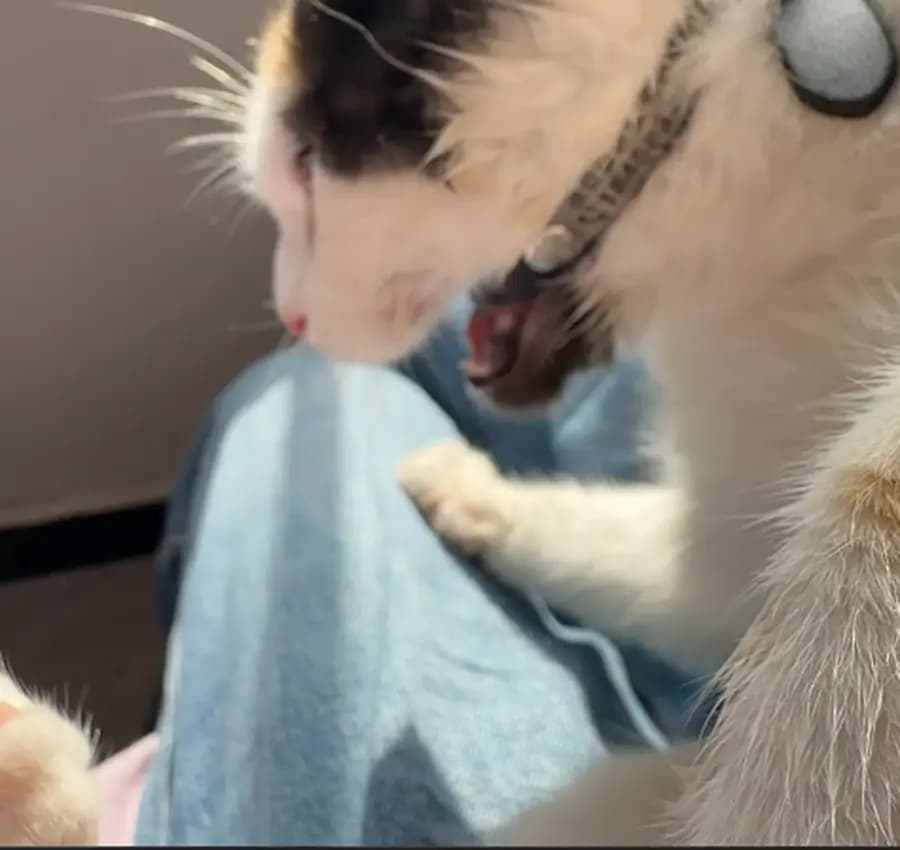
Pendants, bells, beads, and charms on ordinary jewelry are small enough to detach and be swallowed, which can mean an emergency vet visit for a blockage.
4. Kittens are the worst case, not the best case
A kitten's teeth and jaw are smaller and easier to trap, and kittens explore harder than adult cats. One owner in our review stopped collaring their kitten after a collar damaged the kitten's teeth. Kittens in particular should wear collars only under direct supervision, if at all.
Your cat's acceptance decides the rest
Even with a breakaway collar and a perfect fit, a collar only works if the cat accepts it. This varies a lot between cats:
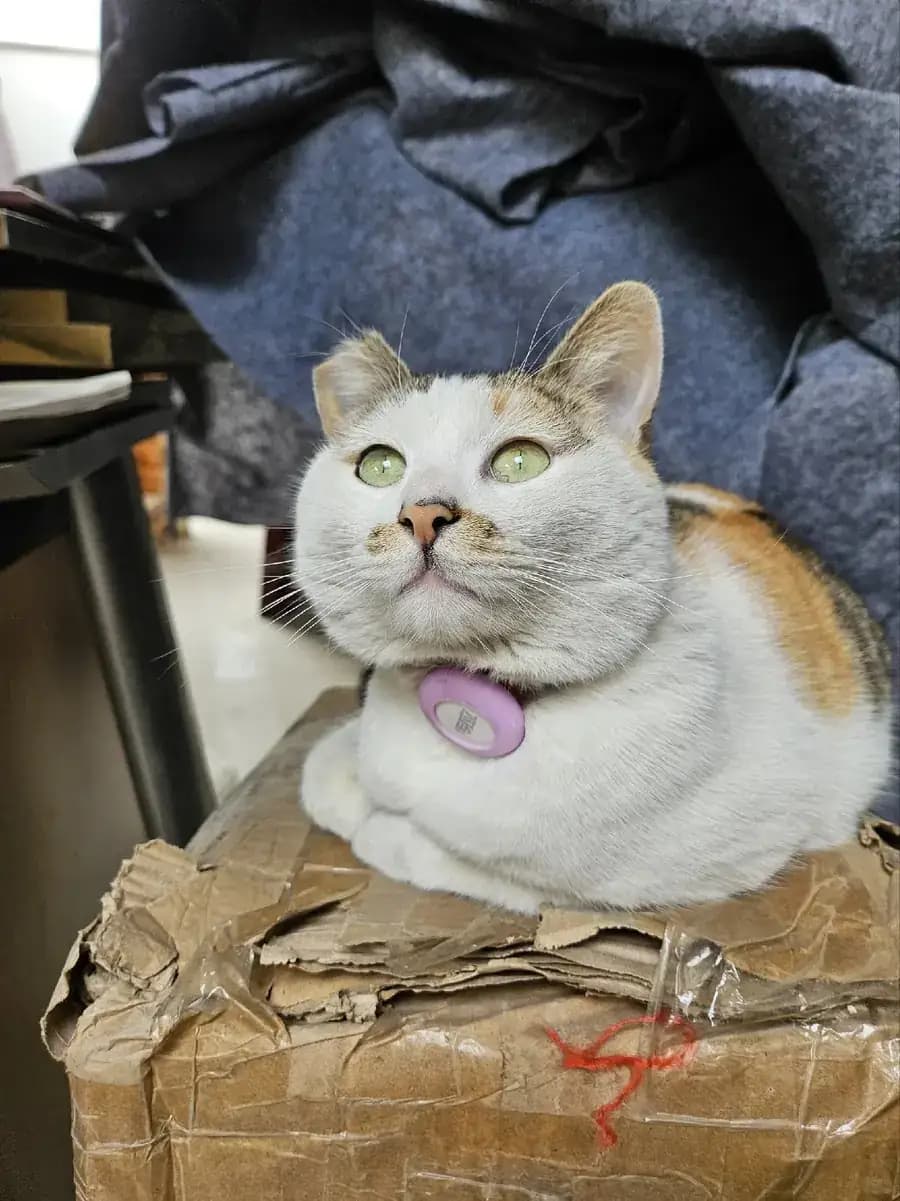
- Some cats ignore a collar entirely after a day or two. (One of our resident cats wears one without any fuss — never paws at it, never tries to pull it off. This is individual variation, not proof of what every cat does.)
- Other cats fight it constantly: pawing, chewing, rubbing, or refusing to settle. For those cats, a collar is stress with no benefit.
If your cat clearly dislikes the collar, take it off. A collar is optional. A calm cat is not.
If you only want the collar for looks, read this
If the whole point is that the collar looks cute, then the rule is simple: you, the owner, are the one responsible for watching that collar. The cat did not ask for it.
- If your cat does not like the collar, do not let it out of your sight. Not for a minute. The moment you cannot watch it, take the collar off — or take the photo first and remove it right after. A photo is not worth a trip to the emergency vet.
- Even if your cat is completely fine with it, keep checking the fit. A collar that is too loose can catch on something while your cat plays, get stuck, and leave the cat unable to free itself — which is exactly how a calm afternoon turns into a panic attack for a stressed cat.
- The only exception: you have cameras covering the space, the environment has nothing a collar can snag on, and you know your cat's personality well enough to trust that it will not go bouncing into every tight corner. If you cannot honestly check all three, keep the collar off when you are not watching.
When in doubt, treat the collar like a costume: put it on for the photo, take it off when the photo is done.
How to put a collar on safely, if you do
- Check the clasp is breakaway. Pull it yourself before you put it on — it should release with firm pressure.
- Fit: two fingers. You should be able to slide two fingers between the collar and the neck. Tighter risks pressure; looser risks the jaw-hook problem above.
- No loose charms, no thin cords. Skip anything with dangly parts or cord-like material that can wrap.
- Supervised time only, at first. Watch how the cat behaves for the first hours. If it fights the collar, remove it.
- Never leave it on unattended — not overnight, not while the cat is home alone, not while it climbs and explores. This is the single most common setup for the close calls we reviewed.
- Watch the skin. Check under the collar regularly for matted fur, redness, or sores, and remove it if anything looks irritated.
When the answer is simply “no collar”
A collar is never required for a happy, healthy cat. If the cat resists, if you cannot supervise, or if you only wanted it for looks, the safest and most recommended choice is no collar at all. An ID tag on a harness during travel, or a microchip for identification, covers the practical reasons people reach for collars in the first place.
The short version
- Cats can wear collars — with a breakaway clasp, a two-finger fit, and a cat that accepts it.
- Human necklaces and decorative jewelry are not safe substitutes; jaw hooks, snags, and swallowed pieces are real.
- Kittens and high-energy explorers are the highest-risk cases; supervise closely or skip the collar.
- If in doubt, no collar. A calm, uncollared cat beats a stressed one with a pretty accessory.
Related: our guide to black cat jewelry explains why human-wear pieces like photo pendants are for people, not cats.
Animal Behavior & Care Writer
Rachel has a background in zoology and animal care volunteering. She writes about cat behavior, enrichment, and the relationship between cats and their everyday environment.
Written by Rachel Breen. Read our Editorial Policy.
FAQ
Frequently asked questions
New on NookPetdia
Latest articles
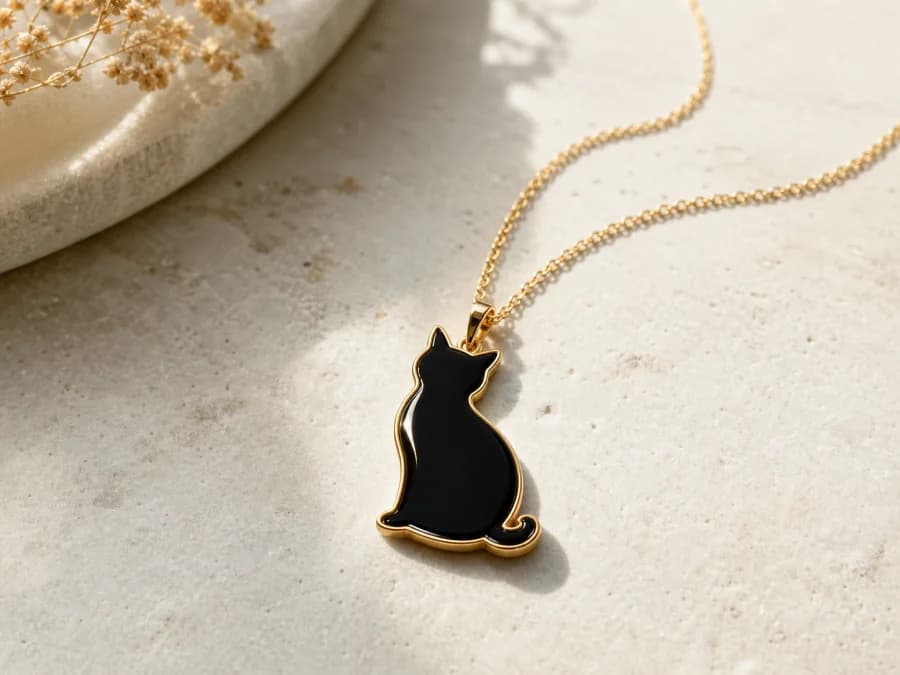
Black Cat Jewelry Guide (Style, Meaning, Gift Timing)
Black cats are the hardest subject to render in a small pendant and the best subject for silhouette work. Here is which styles hold up, what the symbolism actually carries, and the two dates worth planning a gift around.
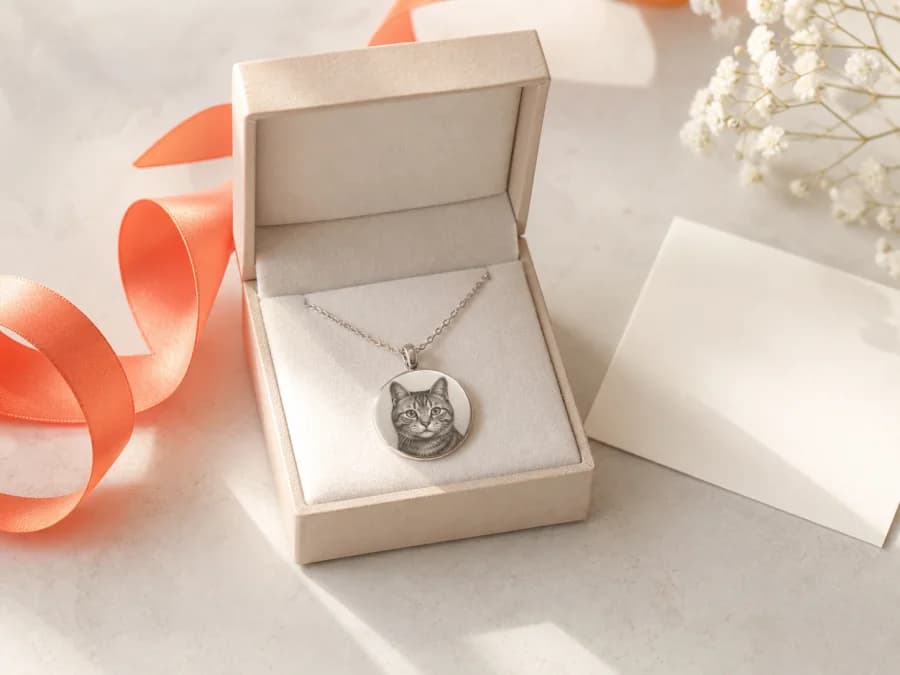
Cat Mom & Cat Dad Gift Ideas That Aren't Cheap Charms
Most cat-themed gifts are novelty items that get used twice. Here is how to buy something a cat parent keeps — including what to confirm about metal, sizing, and timing before you order anything personalized.
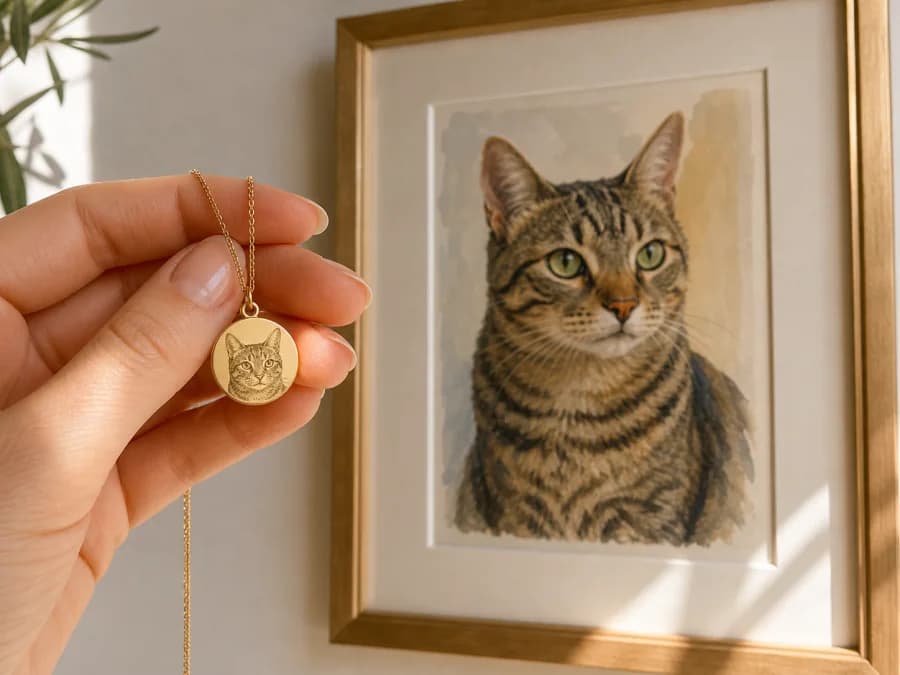
Custom Pet Portrait Jewelry vs Print: What's Worth Buying
Wearable portrait jewelry and framed pet portraits solve different problems. Here is how they compare on likeness, cost, durability, and daily use — and which one to commission first.