A cat adoption home visit can feel reassuring or invasive depending on how it is handled.
Our team reviewed recurring adopter questions about home visits, deposits, privacy, follow-ups, rescue expectations, and whether adoption requirements sometimes go too far. The healthiest version of this conversation is not "rescues are too strict" or "adopters should accept anything." It is: how do we protect the cat without ignoring human safety and privacy?
This guide is written for US readers navigating shelters, rescues, foster-based adoptions, and private rehoming.
AI Summary
Overview
A reasonable cat adoption home visit should focus on cat safety: secure windows, safe rooms, existing pets, basic supplies, landlord permission if relevant, and whether the adopter understands care needs. It should not require excessive personal information, unsafe access, surprise visits, or indefinite control over the adopter's home.
If a rescue asks for a home visit, ask what they check, how long it takes, who attends, how your information is stored, and whether a video tour or vet-office meeting is acceptable.
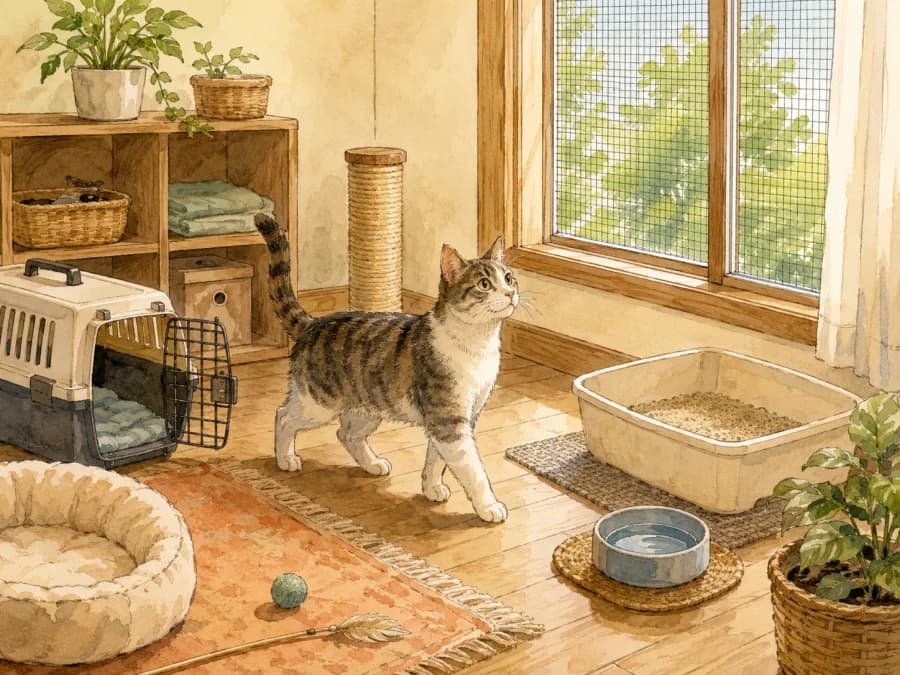
What a Reasonable Home Visit Checks
| Area | Reasonable check | Why it matters |
|---|---|---|
| Windows and balconies | Screens, closures, escape risks | Cats can slip through small openings |
| Starter room | A quiet room for decompression | New cats need predictable space |
| Supplies | Food, water, litter, carrier, scratching options | Shows basic readiness |
| Existing pets | Slow introduction plan | Prevents immediate conflict |
| Household agreement | Everyone understands the adoption | Reduces return risk |
| Rental rules | Pet permission if needed | Protects adopter and cat |
The visit should be practical, not theatrical. A cat does not need a perfect home. It needs a safe, prepared, realistic one.
What May Be Too Invasive
Be cautious if the process asks for:
- Government ID copies without a clear privacy policy.
- Detailed income documents for a routine cat adoption.
- Surprise in-person visits.
- Indefinite home access.
- Excessive follow-up control after adoption.
- Pressure to pay deposits before seeing the cat or paperwork.
- Requirements that feel unrelated to cat welfare.
Some private rescuers are trying to prevent harm. That goal is understandable. But safety works both ways. Adopters should not be expected to hand sensitive information to a stranger without boundaries.
Reasonable vs Too Invasive
| Screening request | Usually reasonable | Slow down if |
|---|---|---|
| Home safety | They ask about windows, balconies, starter room, and existing pets | They demand surprise access or unrelated room inspections |
| Identity | They confirm your name and contact details | They want document copies without explaining storage or deletion |
| Housing | They ask whether pets are allowed if you rent | They demand excessive financial documents for a routine cat adoption |
| Follow-up | They schedule a clear, limited check-in | They expect indefinite control over your home or cat |
| Photos/video | They accept a focused starter-room walkthrough | They ask for sensitive personal areas unrelated to cat safety |
| Fees/deposits | Terms are written and tied to adoption costs | Payment is rushed before records, meeting, or agreement |
This is not legal advice. It is a practical privacy filter. Good screening should make the adoption feel clearer, not more unsafe.
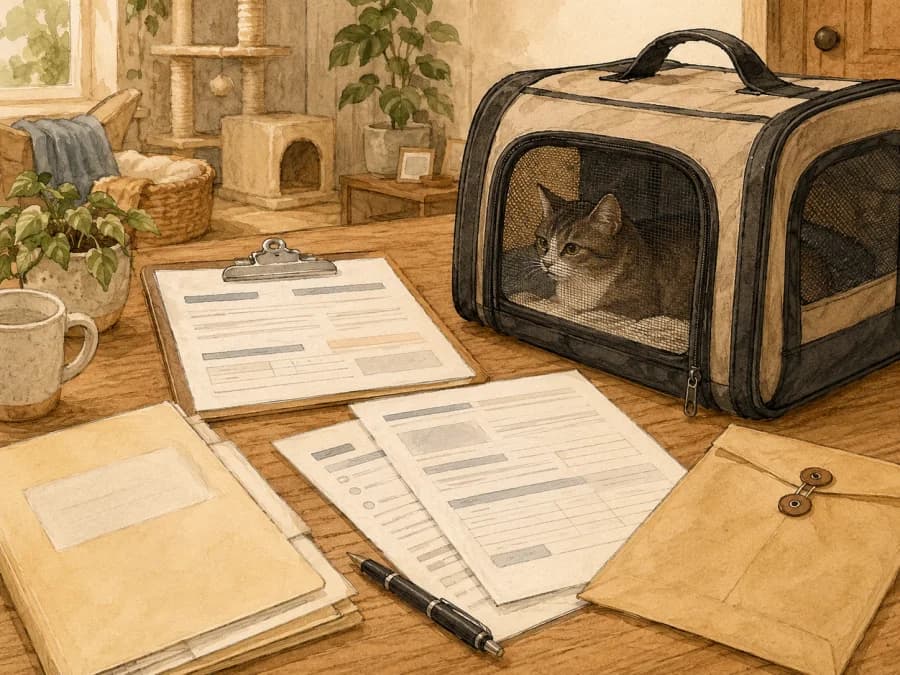
Safer Alternatives to an In-Person Home Visit
Depending on the rescue, alternatives may include:
- A video walkthrough.
- Photos of the starter room.
- A vet-office handoff.
- A phone interview.
- Landlord confirmation for rentals.
- A signed adoption agreement with clear limits.
- A short post-adoption check-in by message.
If you are choosing between adult cats, kittens, and rescue processes, read adult cat adoption.
In owner research we reviewed, many adopters were not opposed to screening. They were opposed to unclear screening. A video walkthrough of the starter room, a photo of window screens, or a vet-office handoff can answer the cat-safety question without requiring a stranger to walk through the whole home.
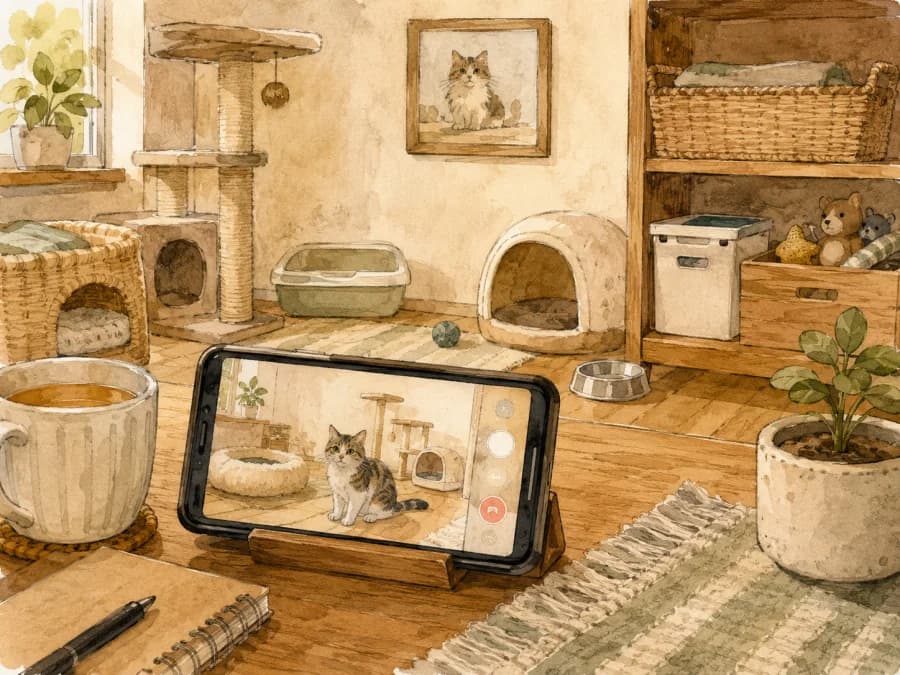
Questions Adopters Can Ask
Ask the rescue or foster:
- What exactly do you check during the home visit?
- Who will attend?
- Can we do a video visit instead?
- How do you store application information?
- Is a deposit refundable, and under what conditions?
- What medical records come with the cat?
- Is the cat vaccinated, spayed/neutered, microchipped, or tested as appropriate?
- What happens if the adoption does not work?
Good organizations should be able to answer without shaming you for asking.
If the answer is "because we said so," keep asking. A rescue may still choose not to proceed, but you are allowed to protect your privacy while trying to adopt responsibly.
How to Push Back Politely
Use calm, specific language:
- "I'm comfortable showing the starter room, litter setup, windows, and supplies. I do not share unrelated private areas."
- "Can you explain how my information will be stored and who can access it?"
- "Would a video walkthrough work instead of an in-person visit?"
- "Can we meet at the veterinary clinic, shelter, or foster location?"
- "Please send the deposit and refund terms in writing before I pay."
If the person responds with pressure or insults, that is useful information. A good process can be strict and still respectful.
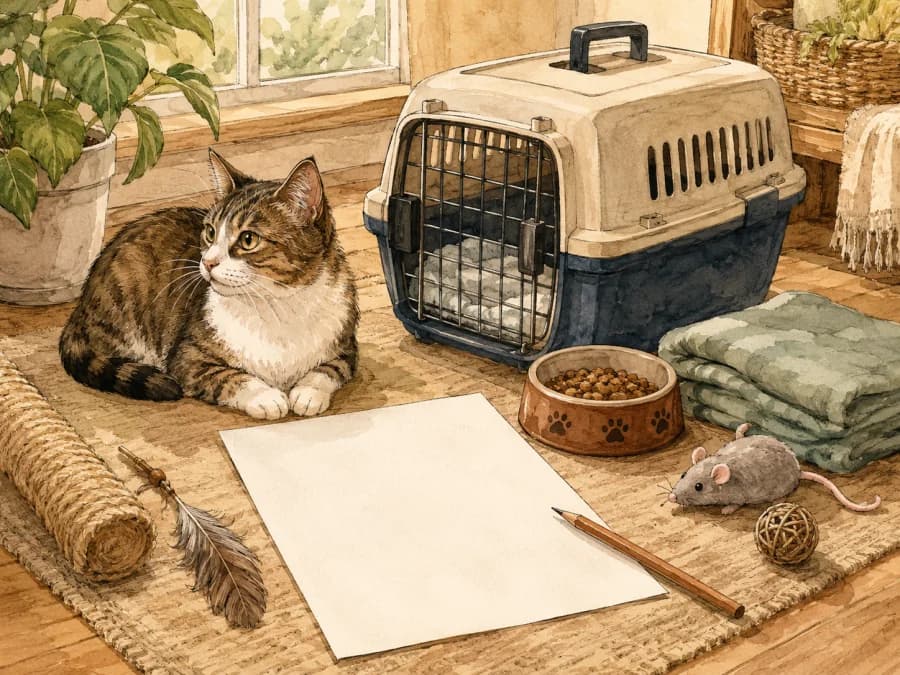
Questions Rescues Can Ask Without Overreaching
Useful questions include:
- Have you had cats before?
- Who lives in the home?
- Are there other pets?
- Where will the cat stay at first?
- What is your plan for scratching, litter, feeding, and veterinary care?
- Are windows and balconies secure?
- What would make you consider returning the cat?
The goal is fit, not intimidation.
References
Humane Society of the United States: Adopting from an animal shelter or rescue group
Animal Behavior & Care Writer
Rachel has a background in zoology and animal care volunteering. She writes about cat behavior, enrichment, and the relationship between cats and their everyday environment.
Written by Rachel Breen. Read our Editorial Policy.
FAQ
Frequently asked questions
New on NookPetdia
Latest articles
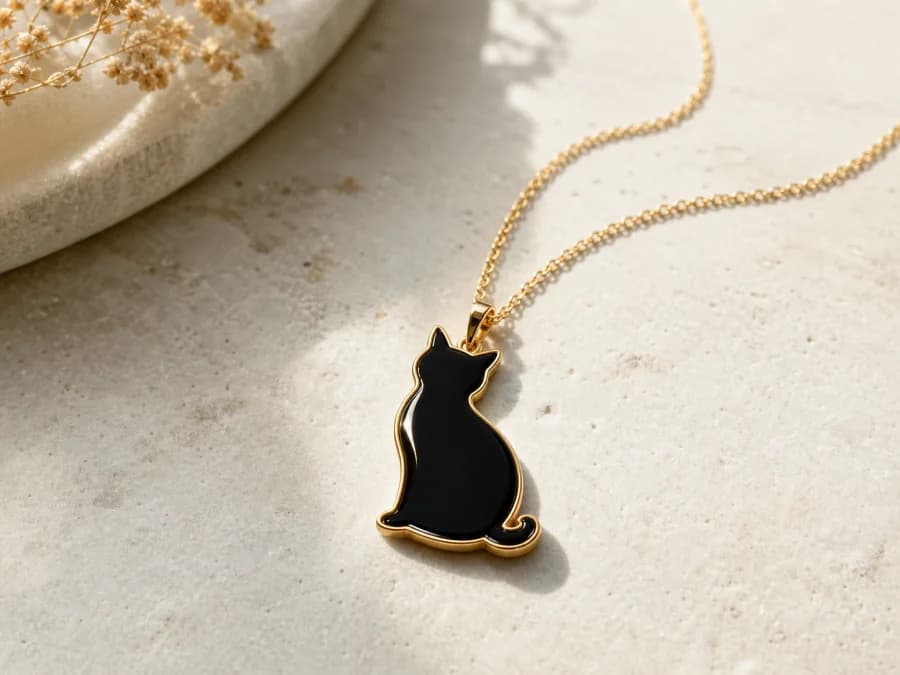
Black Cat Jewelry Guide (Style, Meaning, Gift Timing)
Black cats are the hardest subject to render in a small pendant and the best subject for silhouette work. Here is which styles hold up, what the symbolism actually carries, and the two dates worth planning a gift around.
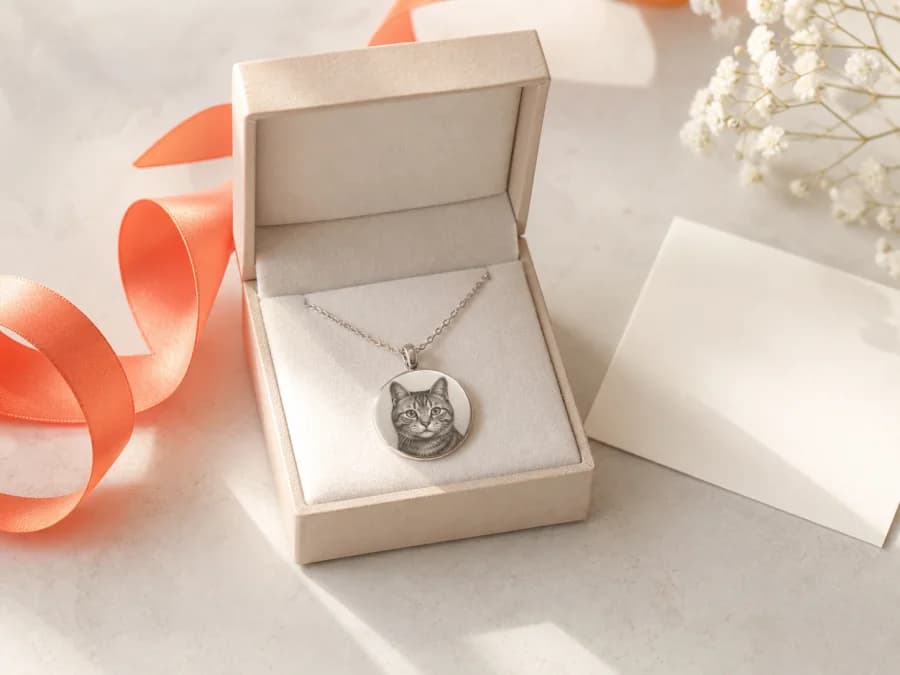
Cat Mom & Cat Dad Gift Ideas That Aren't Cheap Charms
Most cat-themed gifts are novelty items that get used twice. Here is how to buy something a cat parent keeps — including what to confirm about metal, sizing, and timing before you order anything personalized.
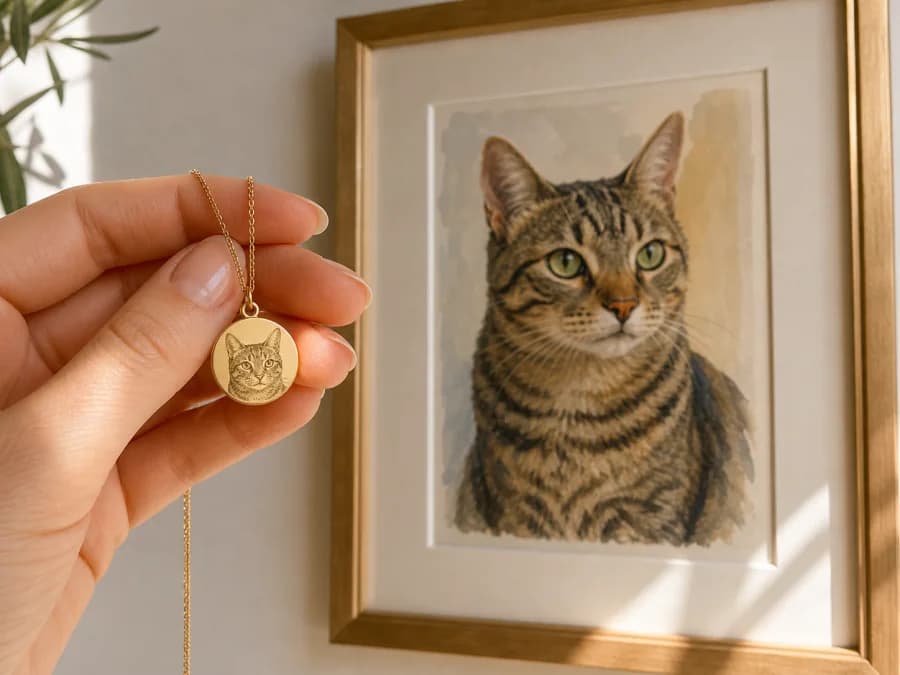
Custom Pet Portrait Jewelry vs Print: What's Worth Buying
Wearable portrait jewelry and framed pet portraits solve different problems. Here is how they compare on likeness, cost, durability, and daily use — and which one to commission first.