Silver clay (also sold as fine silver clay / silver metal clay) is tiny silver particles held together with water and organic binder. Fire it correctly and the binder burns away, leaving fine silver. Fire it while damp and the piece can blister, balloon, or crack apart.
In the maker notes we reviewed, drying was the quiet villain behind a lot of dramatic "I quit" posts.
AI Summary
Overview
Dry thoroughly before any high-heat firing. Trapped moisture is a top failure cause.
Staged low-heat drying (for example gentle oven stages used by some makers) appears often in "no disaster" writeups. Follow your clay brand's manual first.
Humid climates make air drying unreliable. Waiting "until it feels dry" is not enough.
Remaking dried scrap by crushing and rewetting often produces weak, cracky clay.
Keep leftover clay sealed and work quickly with a damp brush nearby.
Why Moisture Wrecks the Fire
When binder and water turn to gas inside a sealed shell of half-dry clay, pressure has to go somewhere. Makers describe blisters, balloons, and pieces that pop. That matches basic drying logic even when individual firing recipes differ by brand.
If your last three pieces failed the moment flame hit them, inspect drying before you buy a new torch.
A Practical Drying Mindset
Exact temperatures and minutes vary by product. Treat social media recipes as peer notes, not universal law.
Useful habits that show up across successful reports:
- Shape with a little hand cream or similar barrier if the clay sticks aggressively (test so oils do not contaminate finishes you care about).
- Compress and fold to reduce trapped air pockets.
- Keep a water brush nearby for seams, but do not soak the piece.
- Dry in stages: set the form, refine details, then dry to a hard state before filing.
- File and refine only after the piece is firmly dry enough to sand without smearing.
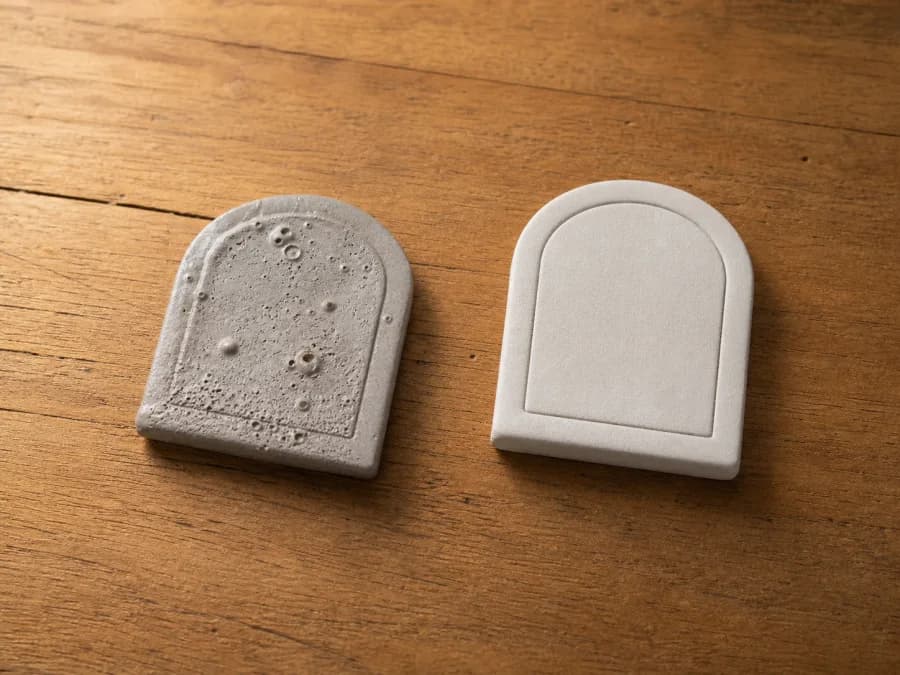
One detailed maker writeup used a kitchen oven at a low setting for a short set, refined details, then a longer hotter dry before filing, then torch or gas firing. Another maker in a humid city said natural drying never finished, an air-fryer dry still blistered, and expensive clay became expensive trash. Same lesson, different kitchens: dry means dry all the way through.
Kitchen Equipment Caveats
People ask whether an oven used for clay drying can go back to food. Treat shared kitchen heating as a contamination and household-safety question. When possible, use dedicated craft equipment. If you must share, clean thoroughly and follow common-sense food safety. This article will not pretend a social comment thread settled the issue.
Open flame and hot ovens also need normal fire safety: stable surfaces, no loose sleeves, no pets underfoot, working ventilation.
Scrap Clay and Second-Life Myths
Dried silver clay crushed back into powder and rewetted is a frequent disappointment. Makers report cracks while shaping and breaks right after firing or demolding. Advice that keeps showing up: work fast and finish the form in one committed pass when you can.
Some people wrap scrap as an inner core and save fresher clay for the outer skin. That can reduce waste, but it is still a compromise. Do not expect scrap cores to behave like new clay for thin lace rings.
Design Choices That Survive Drying and Firing
Drying problems get worse on:
- Very thick blobs with thin skins
- Hollow-feeling forms with trapped pockets
- Pieces filed aggressively before the core is ready
If you are also planning a ring, read home firing and structure pitfalls before you sculpt a skinny open shank.
Key Takeaway
For silver clay, drying is not a boring prelude. It is half the craft. If a piece fails in fire, ask "was it truly dry?" before you ask "was my flame wrong?"
References
Editorial synthesis of private craft-discussion research notes on silver clay drying failures, staged oven drying anecdotes, humid-climate problems, and scrap reuse limits (2026-07-29). Temperatures and schedules must be confirmed against the clay manufacturer's instructions.
Founder & Editor
Micky is the founder and editor of NookPetdia, sharing practical cat-care guidance and product-fit advice for everyday cat parents.
Written by Micky. Read our Editorial Policy.
FAQ
Frequently asked questions
New on NookPetdia
Latest articles
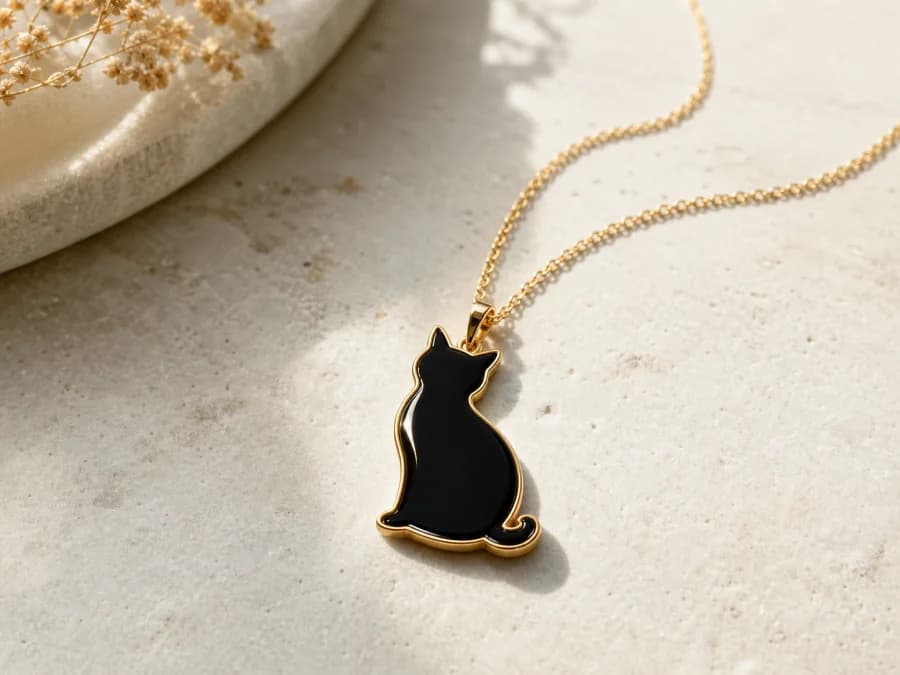
Black Cat Jewelry Guide (Style, Meaning, Gift Timing)
Black cats are the hardest subject to render in a small pendant and the best subject for silhouette work. Here is which styles hold up, what the symbolism actually carries, and the two dates worth planning a gift around.
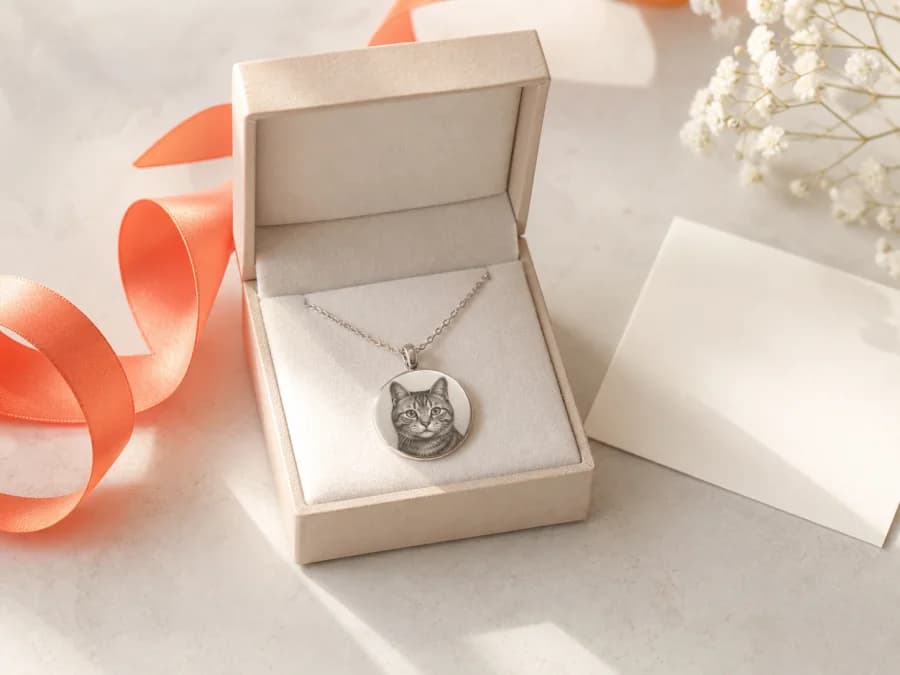
Cat Mom & Cat Dad Gift Ideas That Aren't Cheap Charms
Most cat-themed gifts are novelty items that get used twice. Here is how to buy something a cat parent keeps — including what to confirm about metal, sizing, and timing before you order anything personalized.
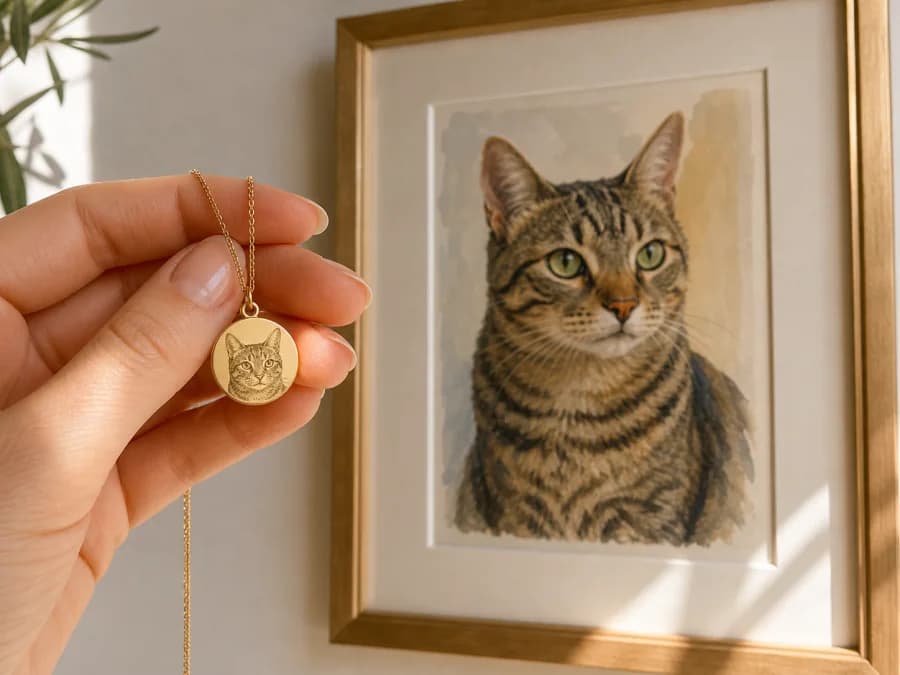
Custom Pet Portrait Jewelry vs Print: What's Worth Buying
Wearable portrait jewelry and framed pet portraits solve different problems. Here is how they compare on likeness, cost, durability, and daily use — and which one to commission first.