Clay aisles and online shops mash several materials under similar photos. Beginners buy one bag, follow a tutorial meant for another, then decide they are bad at crafts. Usually the materials just do different jobs.
This guide compares four names that collide in beginner shopping: stone plastic clay, super light clay, resin clay, and air-dry pottery clay. The notes come from maker experience reports, not laboratory specs.
AI Summary
Overview
Stone plastic clay: dense air-dry clay; sands well; good for magnets, charms, and detailed blanks.
Super light clay: soft, stretchy, foam-like; great for cute forms; weaker for hard sanding and durable thin parts.
Resin clay: often faster cosmetic finishes with less sanding; less ideal for complex blended sculpture, per maker comparisons.
Air-dry pottery clay sold as a cheap substitute: can feel easy to smooth wet, but many reports say it dries brittle and chips.
Match the clay to the project. Do not expect one bag to behave like all tutorials.
Side-by-Side Comparison
| Material | Feel while soft | After drying | Best fit | Common beginner mismatch |
|---|---|---|---|---|
| Stone plastic clay | Firm, fibrous, blendable seams | Hard, sandable "stone-like" blank | Magnets, keychains, detailed ornaments | Expecting it to stretch like super light clay |
| Super light clay | Soft, elastic, easy to knead | Lightweight, can feel toy-like; mold risk if stored badly | Cute figures, soft stylized shapes | Expecting easy sanding fixes like stone plastic |
| Resin clay | Varies by brand; often used for florals and smooth skins | Can look finished faster | Flowers, smoother decorative pieces | Using it for heavy structural magnets without testing |
| Air-dry pottery clay (misbought substitute) | Often easy to smear smooth | Frequently reported as brittle / crumbly | Practice lumps, heavy forms if accepted | Thin fridge magnets that chip |
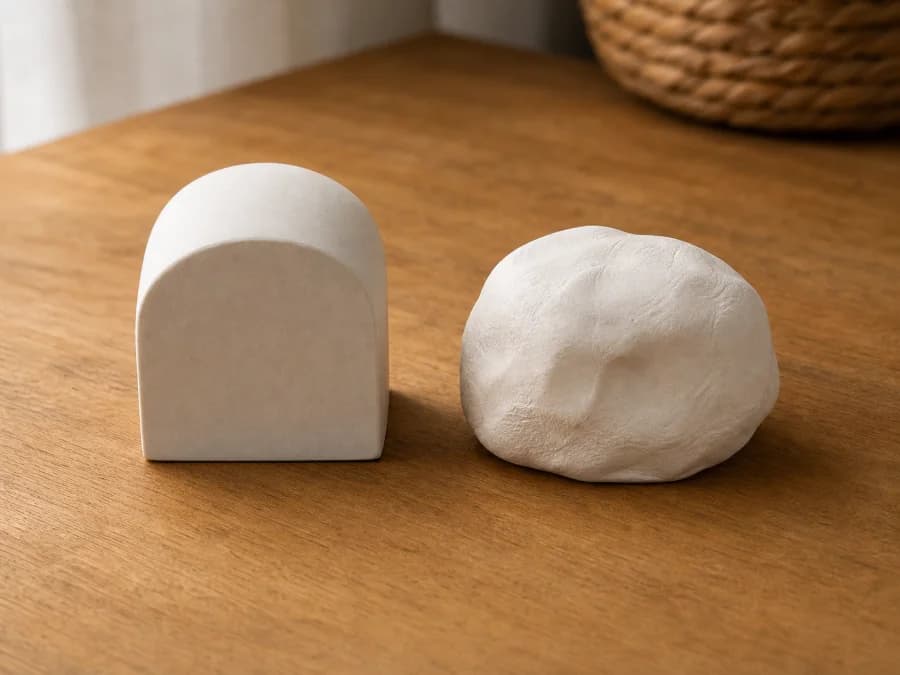
Stone Plastic Clay
Strengths makers praise:
- Seams blend with water into one continuous surface
- Dry blanks can be carved and sanded
- Finished pieces feel substantial
Tradeoffs:
- Heavier than super light clay
- Needs full drying before paint
- Sanding creates dust (plan protection)
- Beginners may find rolling thin sheets harder than with super light clay
If your goal is a clean painted magnet, this is usually the right family. Start with choosing stone plastic clay.
Super Light Clay
People coming from super light clay often say stone plastic feels thick, less stretchy, and quicker to dry on the surface while they work. That is not a defect. It is a denser material.
Super light clay wins for soft, squishy shaping and playful forms. It loses when you want to sand a hard blank into a crisp edge. Some makers also complain about mold in storage and a "cheap" finished look when the clay choice does not match the project.
If you love super light clay, keep using it for the projects it likes. Switch materials when the tutorial assumes sanding and a hard blank.
Resin Clay
In one maker comparison we reviewed, stone plastic clay blended facial features and joins more seamlessly, while resin clay produced faster-looking results with less sanding. Commenters also noted that sealers and sprays for either craft can smell harsh; ventilation matters more than arguing which brand is "non-toxic" based on a social post.
Resin clay is not automatically safer or better. It is a different workflow. Test a small piece before you commit a whole floral collection to an untested bag.
Air-Dry Pottery Clay as a "Substitute"
Cheap pottery-style air-dry clay shows up in bargain posts as a stone plastic substitute. Some people like how easily it smears smooth while wet. The pushback is consistent: once dry, it can be brittle, heavy, and crack-prone, especially on thin magnet walls.
If a listing never says stone plastic clay and only shows generic "clay" photos, assume you may be buying a different material. For beginners who want durable painted magnets, that mismatch is expensive in frustration even when the bag was cheap.
How to Choose for a Specific Project
Flat fridge magnet with painted design: stone plastic clay.
Soft chubby animal charm with no sanding: super light clay can be easier.
Delicate flower petals: makers often reach for resin clay or floral-specific clays; verify the product for that use.
Large heavy bust or thick practice form: pottery-style air-dry clay might be acceptable if you accept weight and chip risk, but do not treat a viral "substitute" claim as universal.
Jewelry that must survive pockets and bags: test drop resistance. Dense sanded stone plastic pieces still chip if thin edges are unsupported.
Style Is Not Locked to One Clay
One popular question in craft feeds was whether stone plastic clay can only make "cute" things. Comment sections filled with dark, realistic, and experimental work. Material does not police your taste. Technique and reference images do.
Key Takeaway
Buy the clay that matches the finish you want. Stone plastic clay is for hard, sandable blanks. Super light clay is for soft shaping. Resin clay is a different cosmetic workflow. Bargain pottery clay is not automatically the same thing as stone plastic clay, no matter how similar the lifestyle photos look.
References
Editorial synthesis of private craft-discussion research notes comparing stone plastic clay, super light clay, resin clay, and air-dry pottery clay substitutes (2026-07-29).
Founder & Editor
Micky is the founder and editor of NookPetdia, sharing practical cat-care guidance and product-fit advice for everyday cat parents.
Written by Micky. Read our Editorial Policy.
FAQ
Frequently asked questions
New on NookPetdia
Latest articles
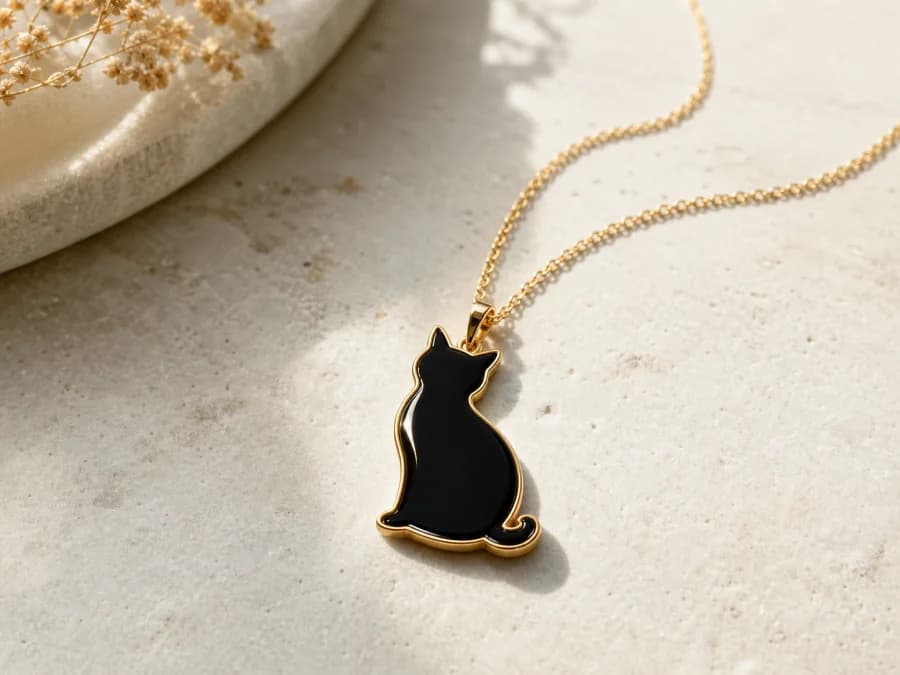
Black Cat Jewelry Guide (Style, Meaning, Gift Timing)
Black cats are the hardest subject to render in a small pendant and the best subject for silhouette work. Here is which styles hold up, what the symbolism actually carries, and the two dates worth planning a gift around.
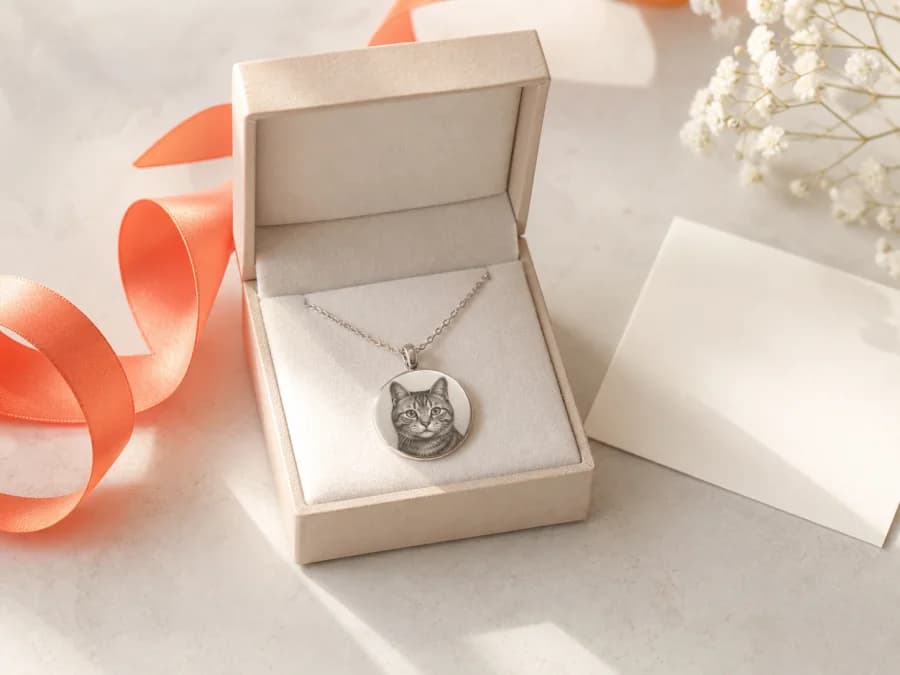
Cat Mom & Cat Dad Gift Ideas That Aren't Cheap Charms
Most cat-themed gifts are novelty items that get used twice. Here is how to buy something a cat parent keeps — including what to confirm about metal, sizing, and timing before you order anything personalized.
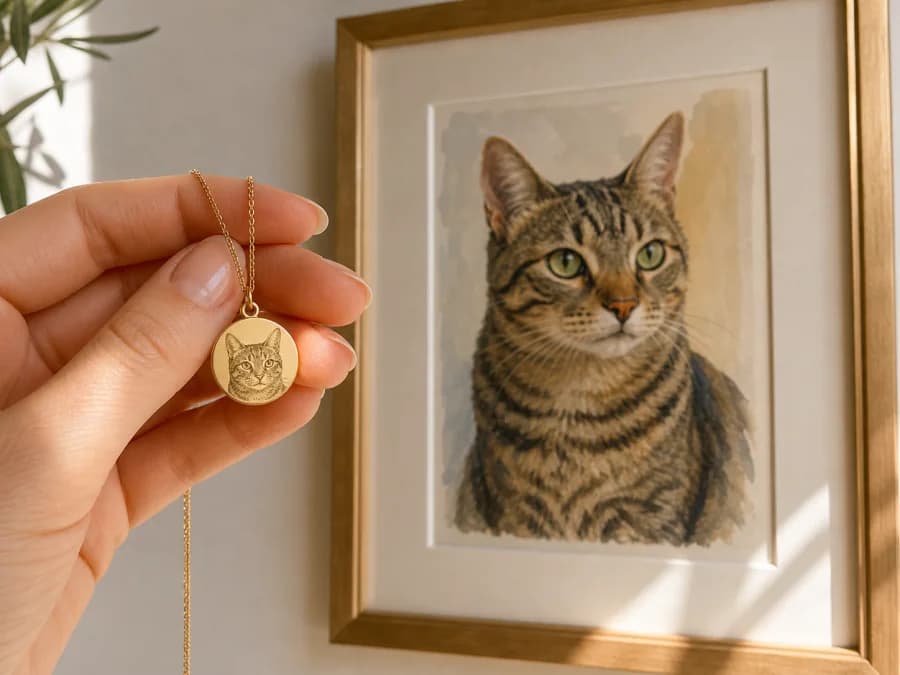
Custom Pet Portrait Jewelry vs Print: What's Worth Buying
Wearable portrait jewelry and framed pet portraits solve different problems. Here is how they compare on likeness, cost, durability, and daily use — and which one to commission first.