Stone plastic clay is an air-dry craft clay that hardens into a dense, stone-like blank. Makers use it for fridge magnets, keychains, tiny sculptures, and jewelry blanks because it holds detail and sands clean once dry.
If you are staring at product listings and every bag looks the same, you are not alone. In the craft discussions we reviewed, beginners often bought the wrong clay once, blamed themselves, then quit. The clay was usually the problem, not their hands.
AI Summary
Overview
Start with a clay labeled clearly as stone plastic clay, not generic air-dry pottery clay.
Many experienced makers prefer LaDoll (often called the "blue pack") for finished pieces because it feels fibrous and blends seams well.
For practice, a lighter budget clay such as Boke lightweight version is a common recommendation; makers repeatedly warn that the non-lightweight version can blister if heated.
Domestic options like Duocai Hani are often mentioned as workable practice clay, sometimes mixed 1:1 with a softer clay to improve feel.
Treat brand rankings as maker experience, not lab tests. Batch feel can vary.
What Stone Plastic Clay Is
In plain terms: stone powder, PVC resin, and binder. While soft, it sculpts like a firm putty. After drying, it becomes hard enough to carve and sand. That is why people use it for fridge magnets and small ornaments that need a crisp edge.
It is not oven-bake polymer clay. It is also not "super light" foam clay. Buying the wrong family is the fastest way to hate the whole hobby.
The Brands Beginners Hear About Most
These are the names that came up again and again in maker reports. Treat them as field notes.
| Clay people mention | Why beginners hear about it | Watch-outs from maker reports |
|---|---|---|
| LaDoll ("blue pack") | Smooth feel, strong fiber, good seam blending | Costs more; some buyers report odd batches that feel sandy or watery |
| Boke lightweight | Softer practice clay, friendlier price | Buy the lightweight version; ordinary version is often said to blister with heat |
| Duocai Hani / similar domestic packs | Decent shaping and carving once dry | Feel varies; some makers mix with another clay to improve handling |
| Unlabeled "air-dry pottery clay" sold as a substitute | Cheap by the kilo | Often brittle after drying; missing the fibrous feel of stone plastic clay |
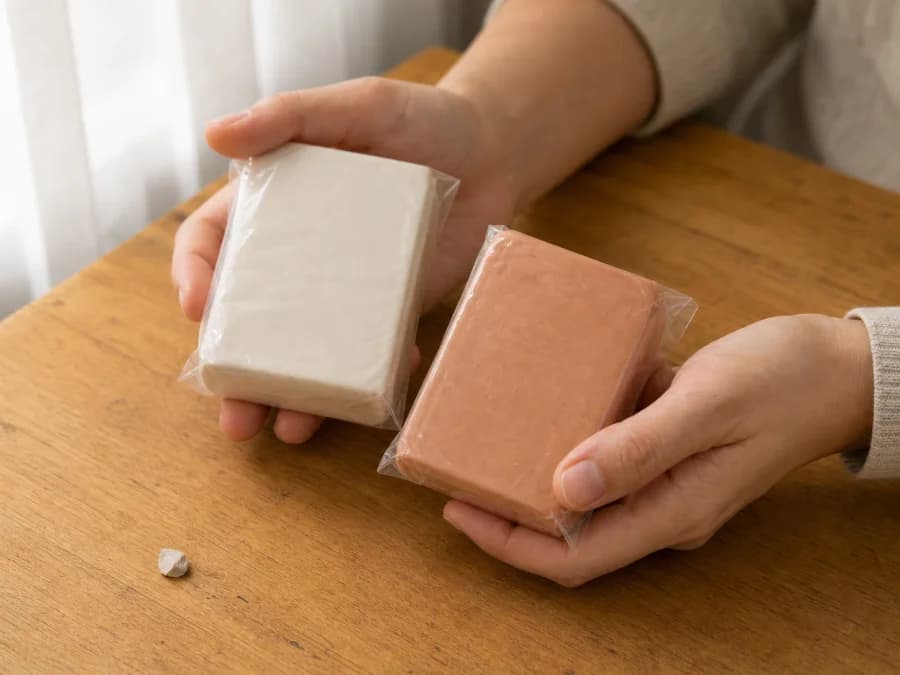
LaDoll blue pack
If budget allows and you want your first finished magnet to feel encouraging, many long-time makers say start here. The usual praise is fine texture, less cracking, and seams that blend with a damp brush.
That does not mean every bag is perfect. Some posts describe a sandy "powdery" feel that never smooths out, or clay that stays watery instead of developing toughness as you knead. Those reports may be batch variation, storage issues, or counterfeit packaging. We cannot verify authenticity from photos alone. If a bag feels wrong from the first knead, pause before you blame your technique.
Boke lightweight for practice
Practice clay exists so you can waste clay. Several makers who keep LaDoll for final work still buy Boke lightweight for sketches and experiments. The repeated warning is specific: get the lightweight version. The ordinary version is widely said to bubble or blister if you use a heating pad.
Domestic practice packs
Duocai Hani (sometimes spelled Hani/Ha-ni in notes) shows up as a domestic clay that holds shape and carves after drying. Some people mix it 1:1 with a softer clay to get a nicer hand feel. Again, this is maker preference, not a ranked lab chart.
The Wrong Bag Problem: Air-Dry Pottery Clay
The loudest beginner trap in our review was buying air-dry pottery clay marketed as a cheap substitute. One popular post called it a "super substitute." Commenters pushed back: dried pottery clay can feel brittle and chippy, and it lacks the fibrous working feel of stone plastic clay.
For fridge magnets and thin ornaments, brittleness matters. Read the label. If the package does not say stone plastic clay (or an equivalent clear product name), assume it is a different material until proven otherwise.
If you already bought pottery clay, you can still practice shaping. Just do not use that first failure as proof that "clay hobbies are impossible."
How Much Clay to Buy First
You do not need a shelf. One or two packs plus a tiny tool set is enough to learn drying, sanding, and paint. In maker chats, people joked that stone plastic clay is "the cheapest rabbit hole" and then admitted they later bought a whole rack of extras. Start small on purpose.
Also seal leftover clay well. Humid climates get mold complaints; dry climates get rock-hard leftovers. Either way, do not hoard ten unopened packs before you know you like the workflow.
Should You Buy Clay to Sell Custom Orders?
Hobby first. In the discussions we reviewed, people who entered hoping to take custom orders often felt burned. People who entered for focus and fun stayed longer. Making tiny magnets well takes time. Selling them for a fair hourly rate is hard.
If you later want to sell, that is fine. Just do not buy premium clay, UV lamps, and a full paint kit on day one because a feed made it look like easy side income.
What to Buy With Your First Pack
Keep tools boring and few:
- One metal sculpting spatula or knife (skip flimsy plastic)
- A water brush or damp brush for seams
- 600 and 1000 grit sandpaper or sponge pads
- Acrylic paint or acrylic markers
- A clear topcoat if you want shine protection
A heating cup warmer is optional. See how to dry stone plastic clay safely before you buy one. For the fuller tool list, use stone plastic clay beginner tools.
A Simple First Project
Make a flat fridge magnet blank, about coin-to-cookie size:
- Knead until the clay feels even.
- Shape a simple silhouette. Join parts with a dab of water and smooth the seam.
- Dry fully before sanding. A crisp knock sound is a common maker cue for "dry enough," but thick pieces can fool you.
- Sand lightly, paint, then seal.
If the piece cracks or peels, check common stone plastic clay mistakes before buying yet another brand.
Key Takeaway
For beginners, the useful choice is not "the best clay on earth." It is the clay that matches your goal: a reliable labeled stone plastic clay for first finished pieces, or a clear practice clay if you expect to mess up. Avoid unlabeled pottery-clay substitutes when you want durable thin ornaments, and treat brand praise as experience reports, not gospel.
References
Editorial synthesis of private craft-discussion research notes on stone plastic clay brands, substitutes, and beginner purchasing patterns (2026-07-29). Brand comparisons reflect maker reports, not laboratory testing.
Founder & Editor
Micky is the founder and editor of NookPetdia, sharing practical cat-care guidance and product-fit advice for everyday cat parents.
Written by Micky. Read our Editorial Policy.
FAQ
Frequently asked questions
New on NookPetdia
Latest articles
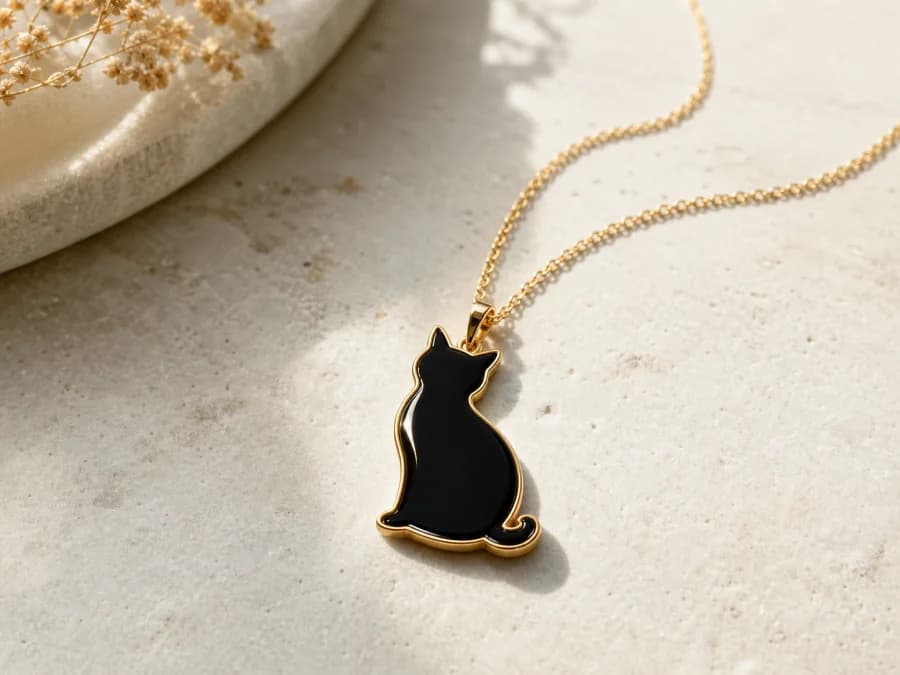
Black Cat Jewelry Guide (Style, Meaning, Gift Timing)
Black cats are the hardest subject to render in a small pendant and the best subject for silhouette work. Here is which styles hold up, what the symbolism actually carries, and the two dates worth planning a gift around.
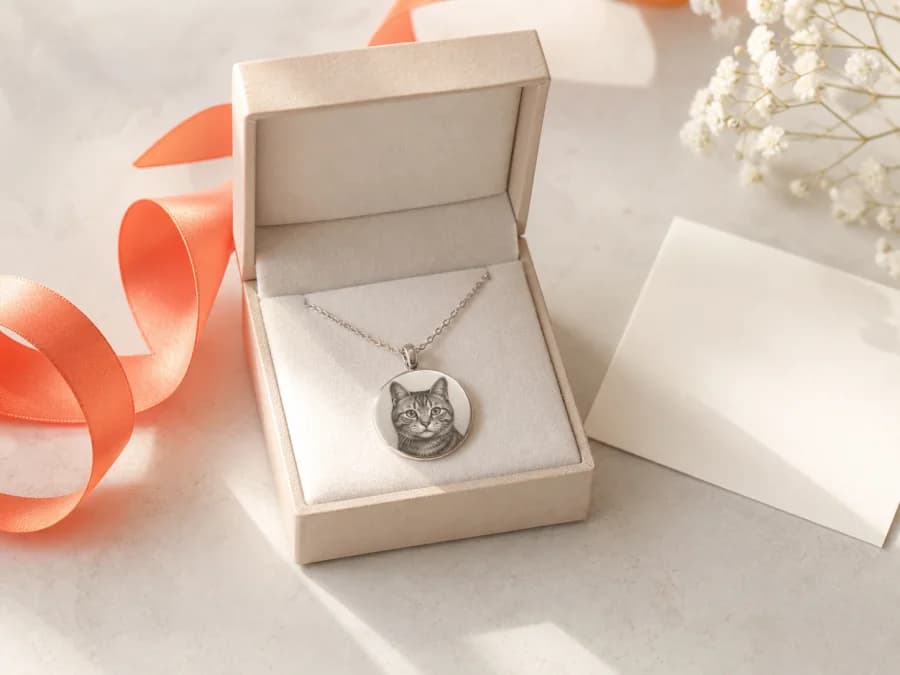
Cat Mom & Cat Dad Gift Ideas That Aren't Cheap Charms
Most cat-themed gifts are novelty items that get used twice. Here is how to buy something a cat parent keeps — including what to confirm about metal, sizing, and timing before you order anything personalized.
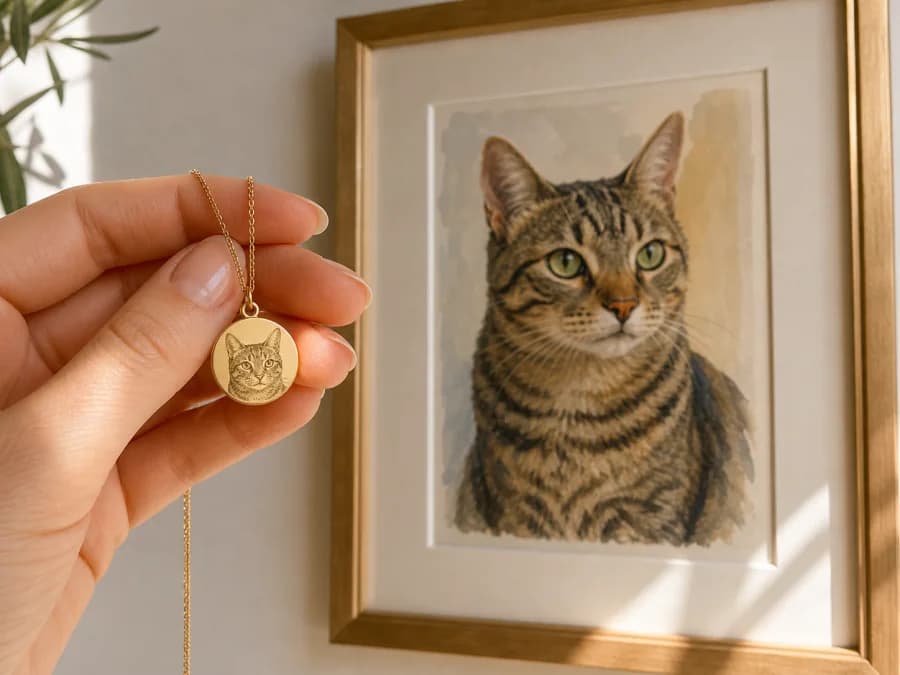
Custom Pet Portrait Jewelry vs Print: What's Worth Buying
Wearable portrait jewelry and framed pet portraits solve different problems. Here is how they compare on likeness, cost, durability, and daily use — and which one to commission first.