Stone plastic clay is air-dry clay. Heat is optional. That one sentence would have saved a lot of overnight disasters in the maker notes we reviewed.
People buy a cup warmer, sculpt for an afternoon, park a wet magnet on the pad, and expect a perfect blank by bedtime. Sometimes it works. Sometimes the front dents, the back stays damp, paint peels later, or the piece sounds "done" while the core is still soft.
AI Summary
Overview
Air drying works. A heating cup warmer only speeds evaporation.
Flip pieces and dry evenly. Uneven heat and thick walls are common crack causes.
Do not assume a short warm session finished a thick piece. Many makers warm for longer than twenty minutes, then still rest the piece overnight.
Avoid glass-panel warmers that makers report as fragile, and prefer a unit with a real switch if you buy one.
Community posts sometimes worry about fumes during warming. Treat that as a ventilation caution, not a lab result. Dry near fresh air when you can.
Air Drying First
For a thin fridge magnet, room-temperature drying on a clean surface is enough. Keep it away from curious pets and direct heater blasts. Turn the piece when the top feels set so the underside can dry too.
Thick sculptures need patience. Skin can harden while the inside stays damp. If you paint over a damp core, peeling and weird soft spots show up later.
A popular maker cue is a crisp knock sound when the piece is tapped. Useful, not perfect. Large or hollow-feeling forms can still hide moisture.
Using a Heating Cup Warmer
Cup warmers and desk heating pads show up constantly because waiting is boring. Used carefully, they help. Used as a "set and forget overnight on max" machine, they create new problems.
Practical habits from maker reports:
- Put a tissue or thin barrier under the clay if your pad runs hot or sticky.
- Use moderate heat. High heat that races moisture out of the surface can crack the shell.
- Flip often so one face does not overcook while the other stays wet.
- Watch for water beads on a cover cup or nearby cool surface; some makers use that as a rough cue that moisture is still leaving.
- After warming, still rest the piece. Paint loves a blank that finished drying, not one that merely felt warm.
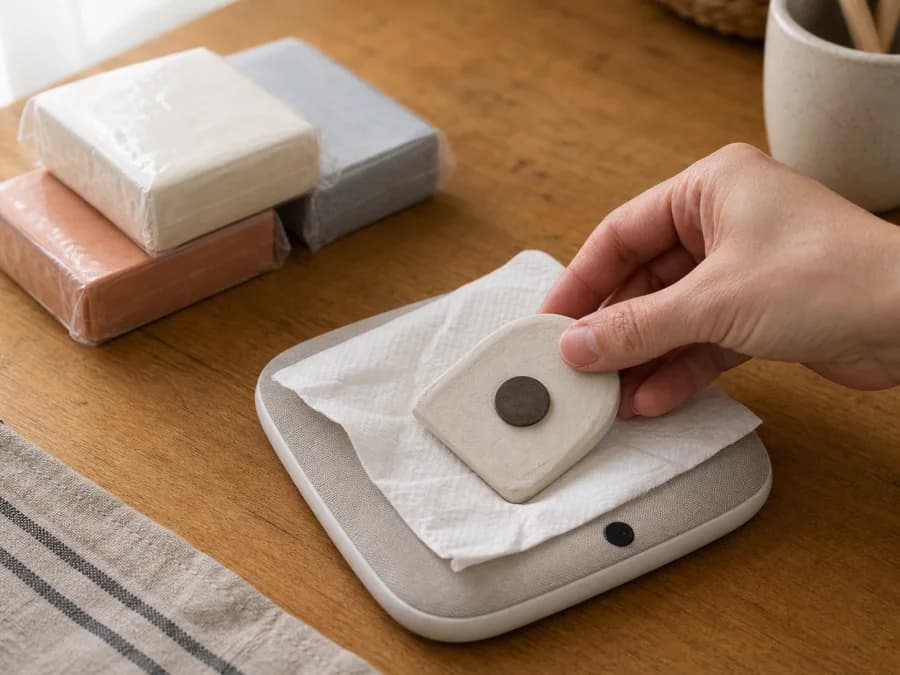
Overnight warming mistakes
One widely shared failure: leaving a magnet on a pad for about ten hours because of a magnet recess on the back. The front developed a circular dent that took hours to sand out. Long heat is not automatically gentle heat.
Another failure pattern: warming for twenty minutes, hearing a brittle tap, painting immediately, then watching the finish fail. Surface dryness fools beginners. When in doubt, wait.
Hardware notes
Makers who like warmers often prefer:
- A physical on/off switch (not only touch sensing)
- A sturdy surface (glass tops get harsh reviews in accident stories)
A warmer is optional. If your home is humid and drying is slow, improve airflow and patience before buying gadget number four. See also beginner tools.
Other Heat Ideas People Try
Social posts mention air fryers, mini ovens, pet heating pads, and office desk warmers. The shared physics is the same: move moisture out without cooking the outside too fast. High heat shortcuts are how cracks appear.
If a method is not in your clay brand's guidance, treat it as experimental. Test on a scrap disc first.
Fumes, Pets, and Ventilation
Some makers report a stuffy smell while kneading or warming clay, and a few community posts claim home meter readings spiked during drying. Those posts are not laboratory verification. Different meters, rooms, and products behave differently. What we can responsibly say:
- Work with fresh air when practical
- Do not park warming clay beside a sleeping pillow all night
- Keep curious cats away from warm pads and soft clay (NookPetdia house rule: pets and craft heat sources do not mix)
If a product claims certifications on the package, read those claims directly from the manufacturer. Do not trust a screenshot of a consumer meter as proof of a specific chemical identity.
Before You Paint
Checklist:
- Piece feels uniformly hard, not cool-damp in thick spots
- Thin edges are not rubbery
- Any patch repairs have also dried
- You are willing to wait one more night if the piece is large
Then sand, paint, and seal. If paint peels later, drying is one of the first suspects in common mistakes.
Key Takeaway
Drying is the quiet skill of stone plastic clay. Air dry when you can. If you use a warmer, flip, do not overcook, and still give the blank time. Speed is useful. Fake dryness is expensive.
References
Editorial synthesis of private craft-discussion research notes on stone plastic clay drying, cup-warmer failures, and unverified fume concerns (2026-07-29). Fume anecdotes are flagged as unverified community reports.
Founder & Editor
Micky is the founder and editor of NookPetdia, sharing practical cat-care guidance and product-fit advice for everyday cat parents.
Written by Micky. Read our Editorial Policy.
FAQ
Frequently asked questions
New on NookPetdia
Latest articles
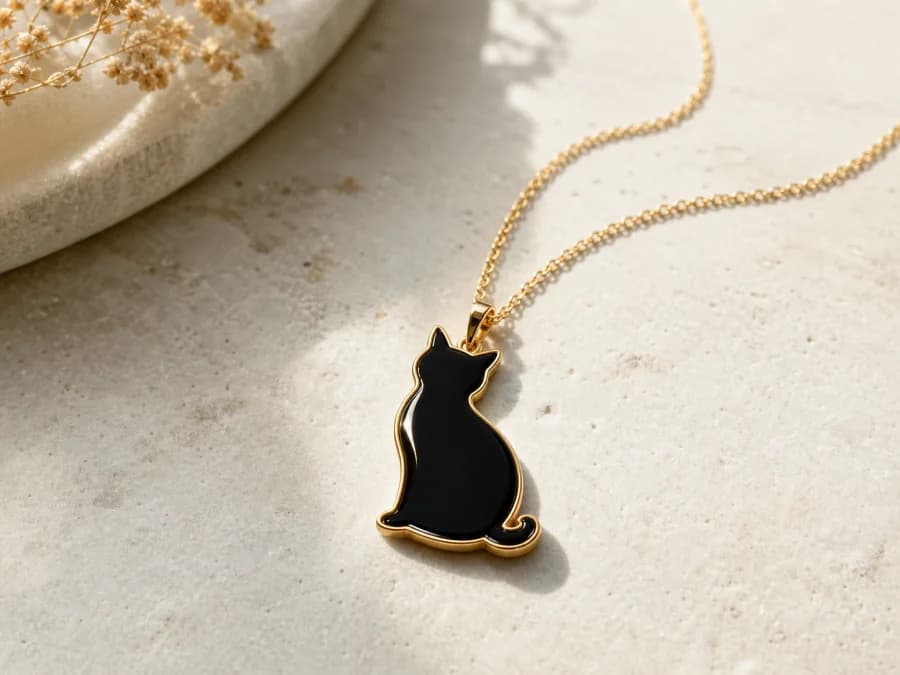
Black Cat Jewelry Guide (Style, Meaning, Gift Timing)
Black cats are the hardest subject to render in a small pendant and the best subject for silhouette work. Here is which styles hold up, what the symbolism actually carries, and the two dates worth planning a gift around.
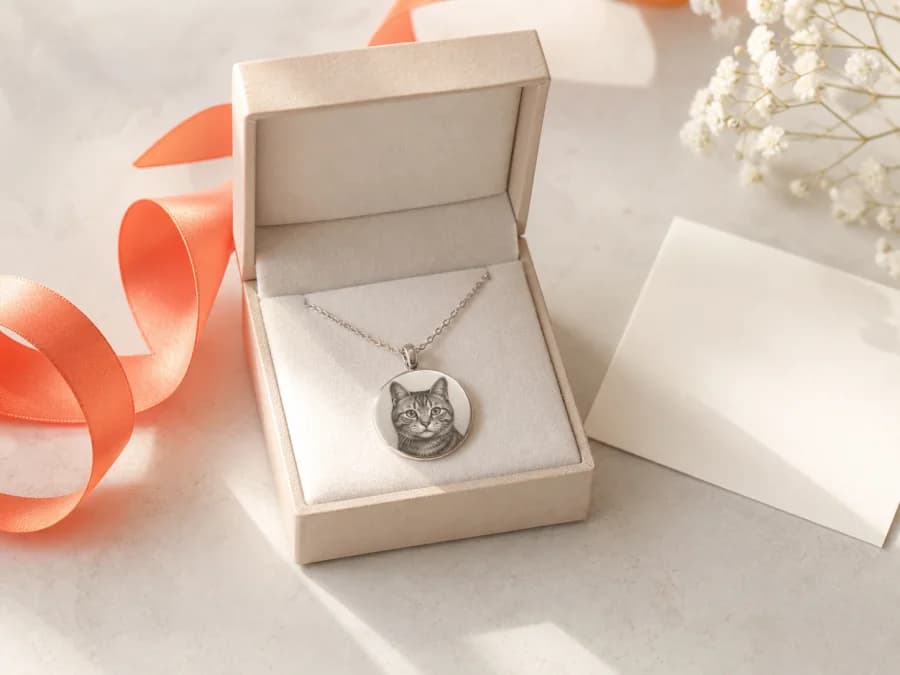
Cat Mom & Cat Dad Gift Ideas That Aren't Cheap Charms
Most cat-themed gifts are novelty items that get used twice. Here is how to buy something a cat parent keeps — including what to confirm about metal, sizing, and timing before you order anything personalized.
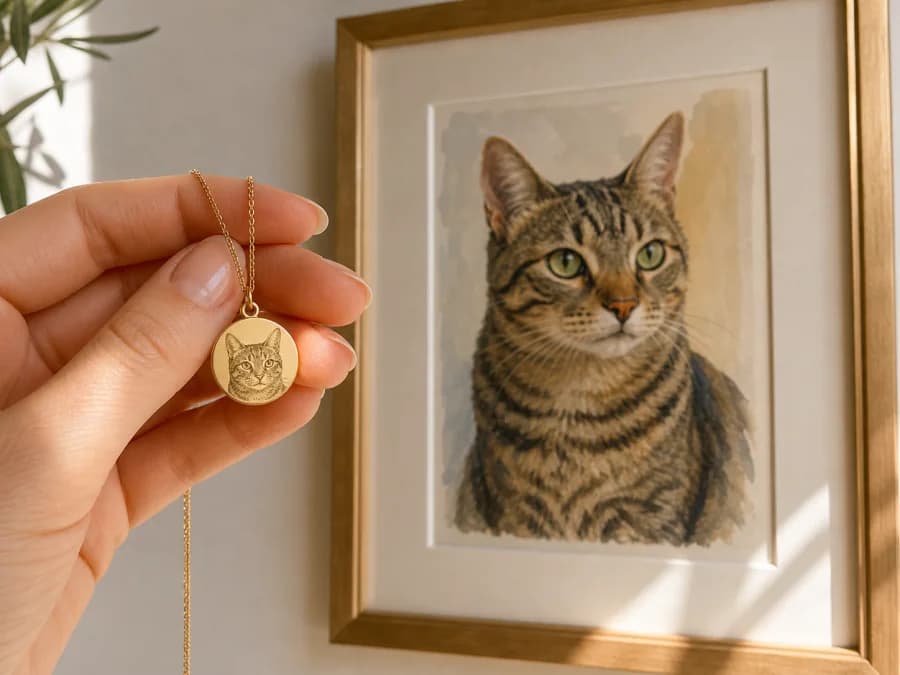
Custom Pet Portrait Jewelry vs Print: What's Worth Buying
Wearable portrait jewelry and framed pet portraits solve different problems. Here is how they compare on likeness, cost, durability, and daily use — and which one to commission first.