Yes. It is normal for a cat to dislike dried fish. Some cats love the smell of fish treats, but plenty of cats sniff once, walk away, or pick every piece of dried fish out of the bowl. That does not mean the treat is bad, and it does not mean your cat is broken.
The owner reports behind this article repeated the same pattern in different forms: the cat ate the regular food but left the dried fish behind, treated the fish like a toy, refused fish-flavored freeze-dried treats, or disliked fish so much that mixing it into food made the whole meal unacceptable.
If your cat is eating its normal complete diet, drinking, acting normally, and only rejecting dried fish, the simplest answer is usually preference. If your cat is refusing meals, losing weight, vomiting, drooling, hiding, or acting painful around food, treat it as a health question instead of a treat question.
AI Summary
Overview
A cat may refuse dried fish because the pieces are too hard, too large, too smelly, too sharp, too unfamiliar, or simply not the flavor profile that cat trusts. Cats are individuals, and many prefer poultry, rabbit, beef, or their regular kibble over fish.
Do not force dried fish into your cat's mouth. Try a smaller piece once, offer it separately from the main meal, and move on if your cat still says no. Treats are optional. Eating a complete and balanced main food matters more than liking one trendy snack.
This guide is about a treat preference, not a way to diagnose appetite loss. If your cat is eating less overall, acting painful, vomiting, losing weight, or refusing normal meals, contact your veterinarian instead of troubleshooting the fish treat.
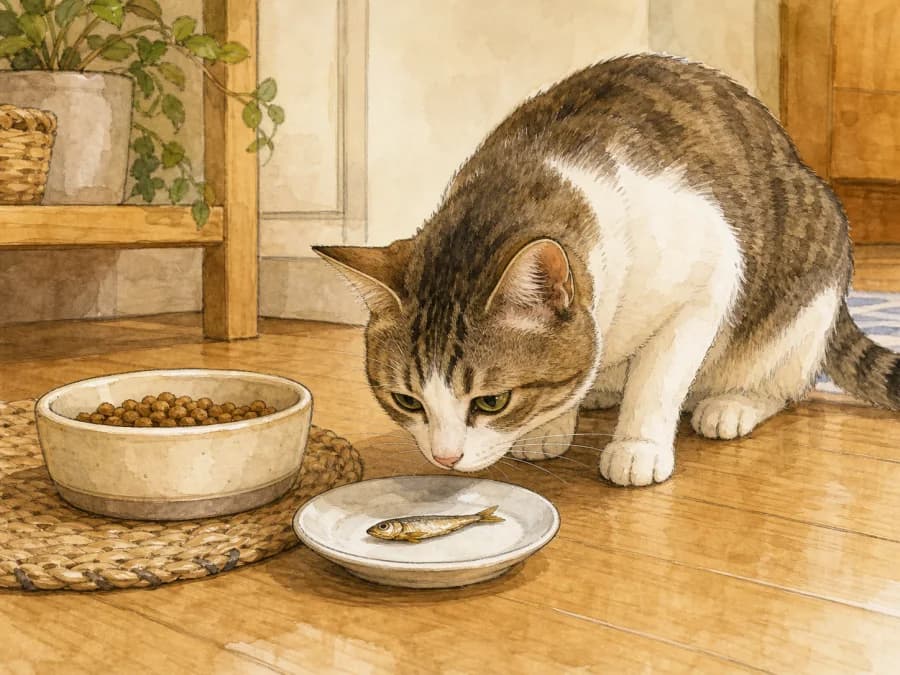
Why Some Cats Refuse Dried Fish
Many cat owners expect dried fish to be irresistible because fish is tied so strongly to cat imagery. Real cats are less predictable. A cat's food choices can be shaped by early exposure, smell, mouthfeel, temperature, texture, and whether the food feels safe.
If your cat grew up eating poultry-based kibble or chicken treats, a whole dried fish can be a strange object: a strong smell, a hard body, a different shape, and sometimes a bitter or oily note. Some cats do not recognize unfamiliar foods as food at all.
The refusal can also be practical. Dried fish can be stiff. A whole piece may feel too big to bite. Some cats want flakes or tiny broken pieces, not a full fish. Others reject the treat even when it is crushed because the fish smell spreads through the whole bowl.
Common Reasons at a Glance
| What you see | Possible reason | What to do |
|---|---|---|
| Your cat sniffs and walks away | Fish smell is too strong or unfamiliar | Offer a different protein treat instead |
| Your cat bats the fish around | The shape feels like a toy, not food | Try one tiny flake separately |
| Your cat eats around the fish | The treat is not worth the effort | Stop mixing it into the main meal |
| Your cat tries then drops it | Piece may be too hard or large | Break it smaller, then stop if refused |
| Your cat refuses the whole meal after mixing | Fish smell contaminated the meal | Keep treats separate from staple food |
| Your cat suddenly refuses normal food too | Possible illness, pain, nausea, or stress | Contact a veterinarian |
Should You Break It Up, Soak It, or Mix It In?
You can try one gentle adjustment, but do not turn the treat into a battle.
Start with a crumb-sized piece on a clean plate away from the main meal. If your cat is curious, let it decide. If your cat wants the fish only after it is broken into tiny pieces, the original issue may have been size or texture.
Soaking can reduce hardness, but it can also intensify the smell and make the treat less appealing. Mixing fish into food is risky for picky cats because one disliked smell can make the whole bowl suspicious. If your cat already has a reliable diet, protect that diet.
One owner pattern from the research notes was especially clear: some cats would rather eat their usual cat food than accept a new fish treat. That is fine. A complete cat food is designed to be the nutritional base. Dried fish is just an extra.
In the owner research we reviewed, the most useful clues were not dramatic labels like "picky" or "spoiled." They were small observable actions: sniff once and leave, lick twice and drop it, eat around the fish, or reject the whole bowl after fish was mixed in. Those details help you choose a safer next step.
We see the same kind of individuality in NookPetdia's resident cats, Mimi and TuanTuan. One may investigate a new smell while the other treats the same item as irrelevant. That kind of household observation is not medical evidence, but it is a good reminder that a cat can have a real preference without being abnormal.
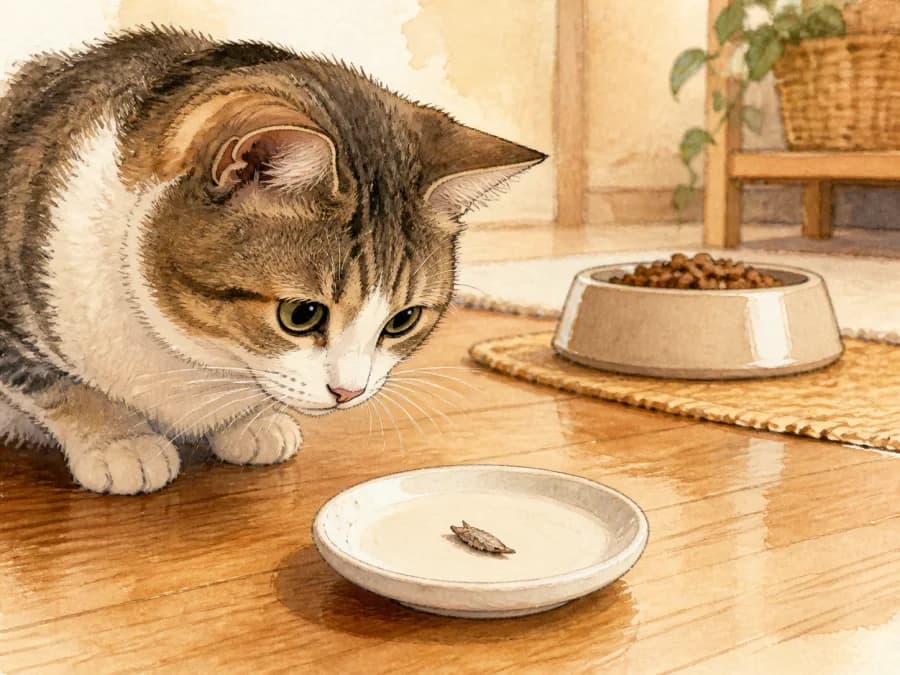
When Refusing Dried Fish Is Not the Real Problem
Refusing one treat is not the same as refusing food. The question changes when a cat stops eating enough overall.
Call your veterinarian if your cat:
- Refuses normal meals or eats much less than usual.
- Loses weight or looks thinner.
- Vomits repeatedly or brings up bile.
- Drools, paws at the mouth, drops food, or chews strangely.
- Hides, seems weak, or acts painful.
- Is a kitten, senior cat, diabetic cat, overweight cat, or cat with a known illness.
Cornell's feline health guidance treats loss of appetite as a serious sign because it can reflect many underlying problems. Cornell also warns that hepatic lipidosis can follow a period of poor intake, especially in overweight cats. That is why "just wait it out" is not a safe general rule for a cat that is not eating real meals.
Better Treats for a Cat That Hates Fish
If your cat dislikes dried fish, try another direction instead of buying more fish products. Many cats prefer poultry-based treats, plain freeze-dried chicken, small pieces of cooked unseasoned chicken, or a favorite texture they already trust.
Keep treats small and occasional. Treats should not crowd out a complete diet. VCA's picky eater guidance notes that too many treats or table scraps can train a cat to hold out for extras and reduce interest in balanced food.
For cats that eat dry food reliably and reject everything else, see my cat only eats dry food and refuses treats. If the issue is the opposite and your cat refuses kibble, the existing NookPetdia guide Your Cat Won't Eat Dry Food? 6 Proven Solutions for Picky Eaters is the better next read.
Key Takeaway
Your cat does not need to like dried fish. If the rest of the diet is stable and your cat is acting normal, treat the refusal as useful preference data. Offer a tiny test piece once, keep the main meal separate, and move to another treat if the answer is still no.
If your cat is refusing normal food too, the question is no longer about dried fish. It is about appetite, pain, nausea, stress, or disease, and your veterinarian should help you decide the next step.
References
Cornell Feline Health Center. Anorexia.
Cornell Feline Health Center. Hepatic Lipidosis.
VCA Animal Hospitals. Feline Picky Eaters.
Animal Behavior & Care Writer
Rachel has a background in zoology and animal care volunteering. She writes about cat behavior, enrichment, and the relationship between cats and their everyday environment.
Written by Rachel Breen. Read our Editorial Policy.
FAQ
Frequently asked questions
New on NookPetdia
Latest articles
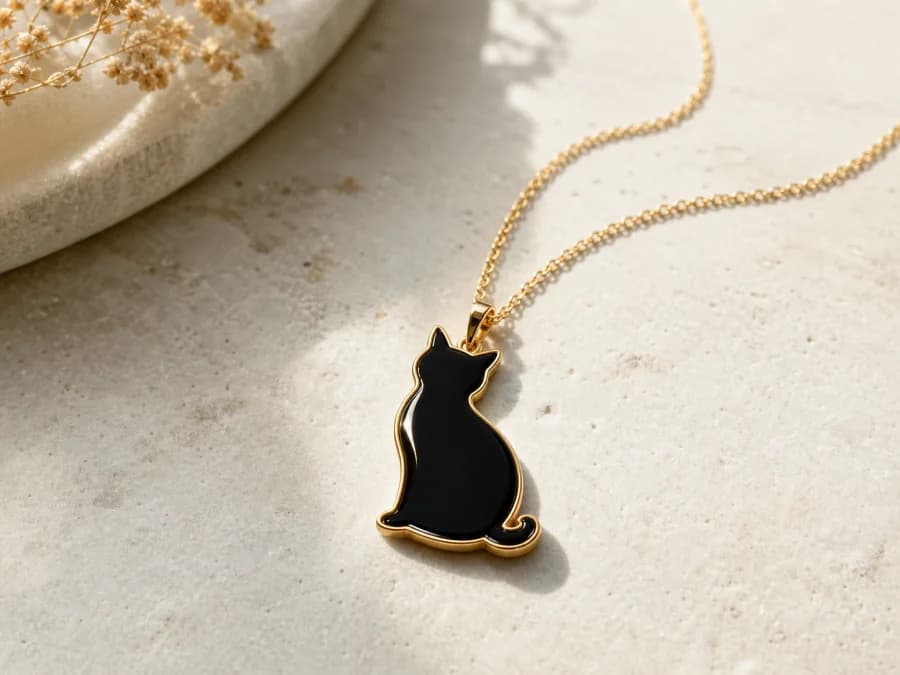
Black Cat Jewelry Guide (Style, Meaning, Gift Timing)
Black cats are the hardest subject to render in a small pendant and the best subject for silhouette work. Here is which styles hold up, what the symbolism actually carries, and the two dates worth planning a gift around.
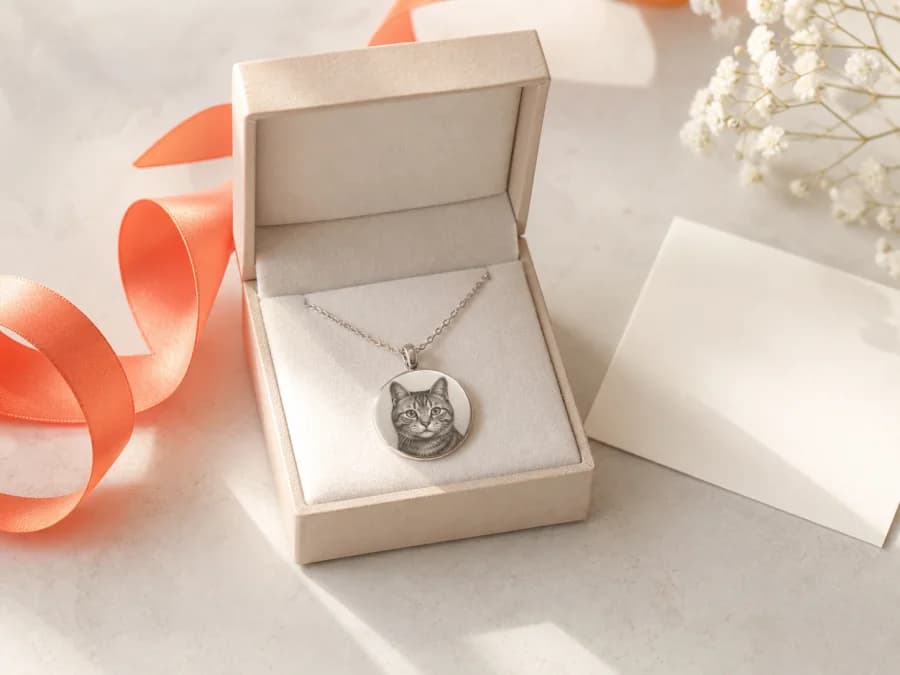
Cat Mom & Cat Dad Gift Ideas That Aren't Cheap Charms
Most cat-themed gifts are novelty items that get used twice. Here is how to buy something a cat parent keeps — including what to confirm about metal, sizing, and timing before you order anything personalized.
Custom Pet Portrait Jewelry vs Print: What's Worth Buying
Wearable portrait jewelry and framed pet portraits solve different problems. Here is how they compare on likeness, cost, durability, and daily use — and which one to commission first.