Some cats are not treat motivated. They do not care about dried fish, chicken, wet food, freeze-dried snacks, broth, or whatever the internet promised would work. They eat their dry food, drink water, use the litter box, and look at your expensive treat stash like it is a misunderstanding.
That pattern showed up often in the owner research behind this article. Some cats refused fish treats, canned food, cooked chicken, shrimp, egg yolk, and cat tubes, yet still ate kibble. Owners worried they were failing their cats because the cats did not want variety.
Many owners report the same emotional spiral: buy three new foods, watch the cat ignore all of them, then worry the cat is "addicted" to dry food or that the owner has done something wrong. The better first question is calmer: is the cat eating enough complete food and staying well?
The reassuring answer: if your cat is eating enough complete dry food, maintaining weight, drinking, and acting normal, refusing treats is not an emergency. But if your cat is eating too little, losing weight, dehydrated, vomiting, or suddenly changing habits, you should treat it as a health issue.
AI Summary
Overview
A cat that only eats dry food can be okay if the food is complete and balanced, the cat is eating enough calories, and your veterinarian is not concerned about hydration or a medical condition. Treats and wet food are optional for some cats.
Do not force new foods. Offer tiny, low-pressure trials separately from the main meal, and protect the food your cat already eats reliably.
This does not mean every dry-food-only pattern should be ignored. Hydration, urinary history, kidney disease, weight change, dental pain, vomiting, and sudden appetite shifts all deserve veterinary context.
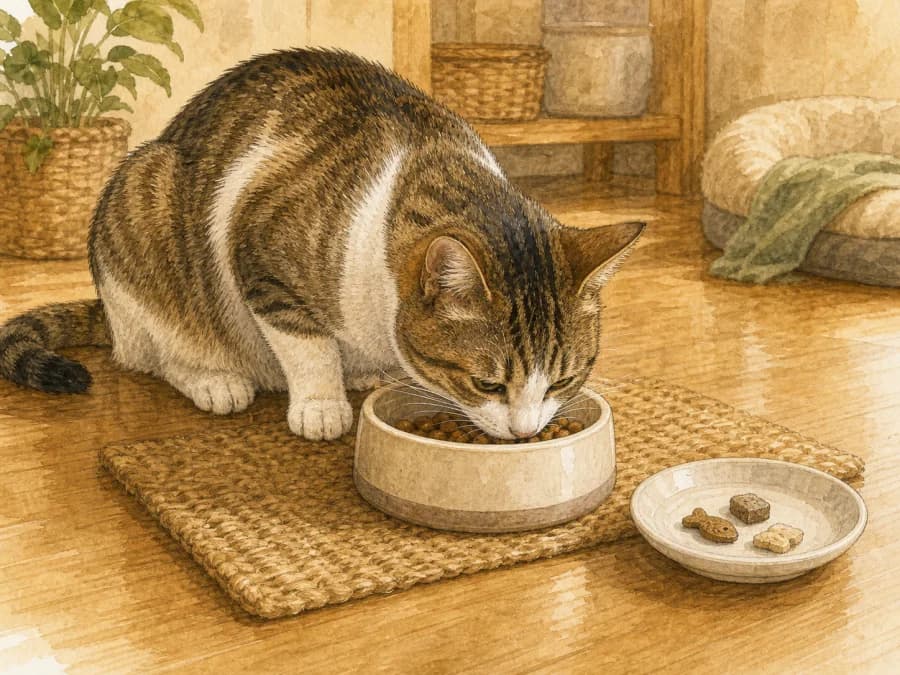
When This Is Probably Fine
This pattern is usually less concerning when your cat:
- Eats a complete and balanced dry cat food every day.
- Maintains a stable weight.
- Drinks normally for that cat.
- Has normal energy and litter box habits.
- Refuses extras but does not refuse the main food.
- Has no vomiting, drooling, mouth pain, or sudden behavior change.
Some cats simply prefer the crunch, smell, predictability, or routine of kibble. Cats can be cautious about unfamiliar foods, and a new texture may not register as safe.
Cornell's feeding guidance emphasizes that feeding plans should account for the cat's age, health, and individual needs. That means the question is not whether your cat performs variety for you. The question is whether the daily diet is meeting your cat's needs.
When to Worry
The same behavior becomes more concerning when "only eats dry food" turns into "barely eats anything."
| What you notice | Why it matters | Next step |
|---|---|---|
| Sudden drop in kibble intake | Appetite change can signal illness, pain, or stress | Call your vet |
| Weight loss | Cat may not be getting enough calories | Schedule a vet visit |
| Drooling or dropping food | Possible dental or oral pain | Ask for an oral exam |
| Vomiting or diarrhea | Digestive or systemic issue possible | Contact your vet |
| Very low water intake | Hydration concern, especially with dry food | Ask your vet how to assess hydration |
| Hiding, weakness, lethargy | Not typical pickiness | Seek veterinary care |
If your cat stops eating or eats very little, read will a picky cat starve itself before trying internet "tough love" feeding advice.
Why Some Cats Refuse Treats and Wet Food
Treat refusal can come from several places:
- Texture loyalty. Crunchy food may feel more familiar than pate, shreds, or soft treats.
- Smell caution. Wet foods and fish treats can smell intense.
- Early learning. Cats may prefer foods they learned as safe when young.
- Bowl context. Some cats dislike food that appears in the wrong bowl or mixed into the regular meal.
- Temperature. Cold wet food can smell and feel strange.
- Oral comfort. Hard or sticky textures can be uncomfortable if there is dental disease.
- Previous nausea. A cat may avoid a smell linked to feeling sick.
The important part is not to make the reliable food suspicious. If your cat loves kibble, do not bury unfamiliar food in it until the cat starts avoiding the whole bowl.
This is one place where Mimi and TuanTuan are useful reminders for our editorial team: cats can be routine-driven without being broken. A reliable routine is not the enemy. The risk starts when the routine stops meeting the cat's health needs, or when pressure from the owner makes mealtime stressful.
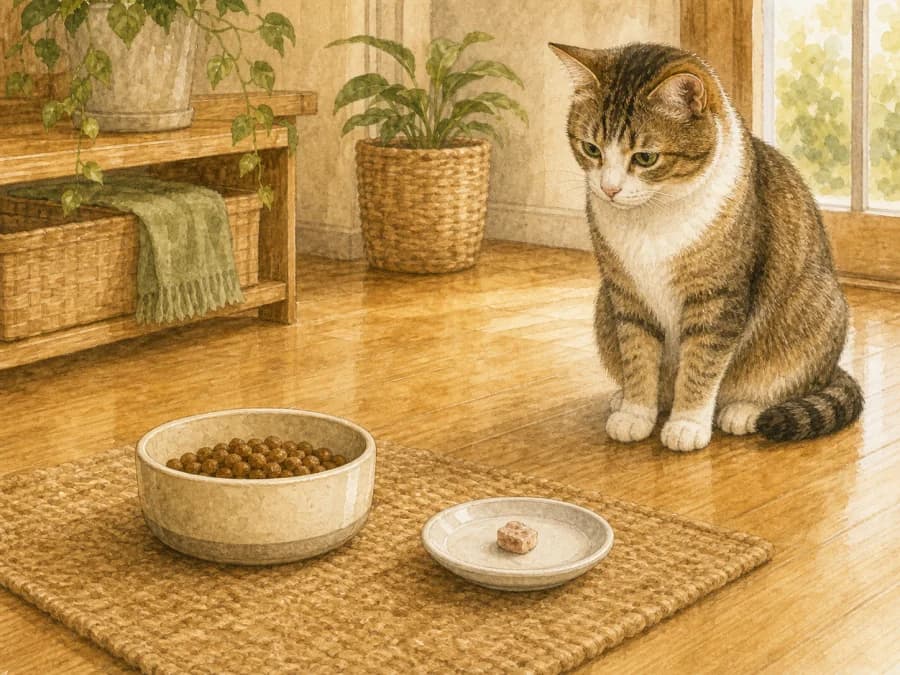
How to Offer New Foods Without Creating a Battle
Keep the trial boring and low pressure.
- Put the regular dry food in the normal place.
- Put one tiny sample of the new food on a separate plate.
- Do not mix it into the main meal at first.
- Leave it briefly, then remove it if ignored.
- Try again another day only if your cat stays relaxed.
If your goal is hydration, ask your veterinarian about realistic options: water fountains, extra water bowls, wet food trials, broths formulated for cats, or diet changes appropriate for your cat's health history. Do not assume that every cat must switch to wet food overnight.
Avoid "tough love" plans that depend on your cat getting extremely hungry. A healthy cat may skip an occasional meal, but a cat that is eating very little, losing weight, vomiting, or acting off needs medical guidance, not a stricter standoff.
What About Fish Treats?
If your dry-food loyal cat refuses dried fish, that is not surprising. Fish treats are strong-smelling and texturally different from kibble.
For the fish-specific version, read my cat doesn't like dried fish. For safety checks before offering fish treats again, see are dried fish treats safe for cats.
Key Takeaway
A cat that only eats dry food is not automatically in trouble. The practical test is whether your cat is eating enough complete food, staying hydrated, maintaining weight, and acting well.
Protect the reliable diet first. Then, if you want to add variety, offer tiny separate trials without turning mealtime into a negotiation.
References
Cornell Feline Health Center. How Often Should You Feed Your Cat?.
Cornell Feline Health Center. Anorexia.
VCA Animal Hospitals. Feline Picky Eaters.
Animal Behavior & Care Writer
Rachel has a background in zoology and animal care volunteering. She writes about cat behavior, enrichment, and the relationship between cats and their everyday environment.
Written by Rachel Breen. Read our Editorial Policy.
FAQ
Frequently asked questions
New on NookPetdia
Latest articles
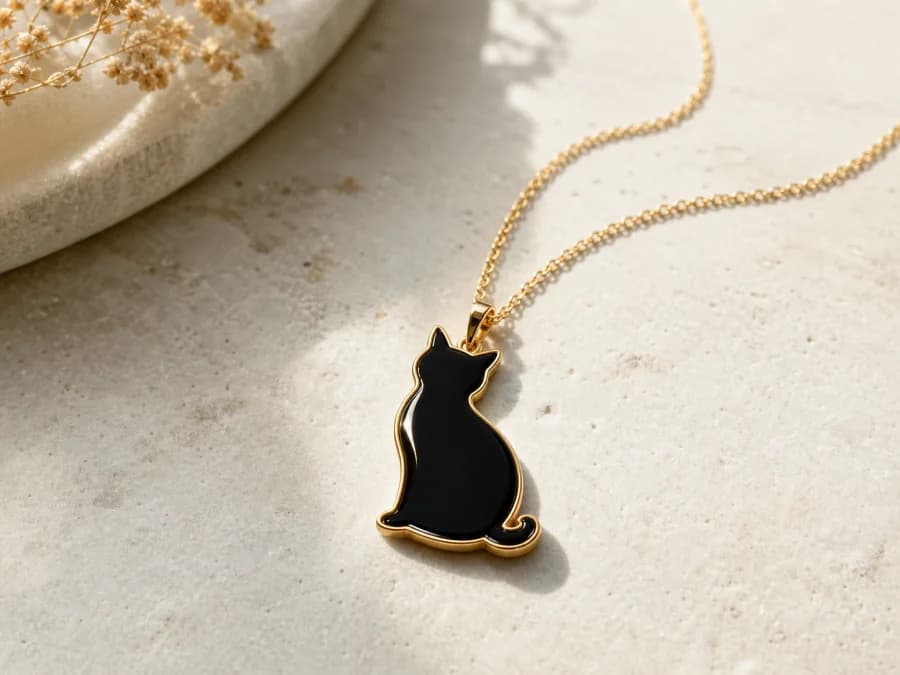
Black Cat Jewelry Guide (Style, Meaning, Gift Timing)
Black cats are the hardest subject to render in a small pendant and the best subject for silhouette work. Here is which styles hold up, what the symbolism actually carries, and the two dates worth planning a gift around.
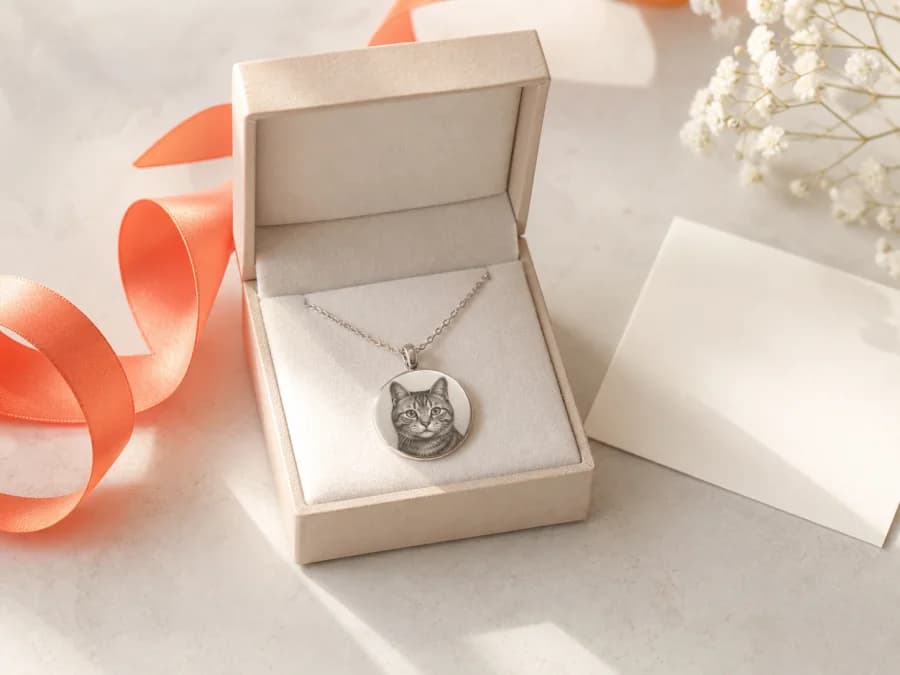
Cat Mom & Cat Dad Gift Ideas That Aren't Cheap Charms
Most cat-themed gifts are novelty items that get used twice. Here is how to buy something a cat parent keeps — including what to confirm about metal, sizing, and timing before you order anything personalized.
Custom Pet Portrait Jewelry vs Print: What's Worth Buying
Wearable portrait jewelry and framed pet portraits solve different problems. Here is how they compare on likeness, cost, durability, and daily use — and which one to commission first.