A cat sitter can make travel feel possible. A bad cat sitter can turn a simple weekend away into a stressful, messy, or unsafe situation.
Our team reviewed recurring cat-owner questions about home visits, boarding, holiday travel, sitter pricing, cameras, and what counts as "just feeding the cat." The clearest pattern was this: owners are not only worried about whether someone shows up. They are worried about whether that person notices the cat, respects the home, follows instructions, and knows when something is wrong.
This guide is for choosing and screening a sitter before you leave. It is not about finding the cheapest person. It is about reducing the chance that your cat spends several days with dirty water, a full litter box, missed medication, or a sitter who leaves after two minutes.
AI Summary
Overview
A cat sitter red flag is any sign that the person treats the visit as "drop food and go" instead of a short welfare check. Be careful with sitters who avoid a meet-and-greet, refuse written instructions, will not send updates, dismiss cameras, cannot describe their emergency plan, or make you feel rushed when you explain your cat's routine.
A good sitter should confirm the schedule, food amounts, water, litter, medications, hiding spots, door rules, emergency contact, vet information, and what kind of update you will receive after each visit.
If your cat has diabetes, kidney disease, seizure history, medication needs, or a history of not eating when stressed, choose a professional sitter or veterinary boarding option with the right experience.

Red Flags Before You Book
In owner research we reviewed, the worst sitter stories were rarely about one dramatic mistake. They were usually a stack of small gaps: nobody confirmed the cat was seen, the sitter did not know which door stuck, the update was only "all good," or the owner realized too late that "feeding" did not include litter, water, or checking for vomit.
Use red flags as a pattern, not a single-strike test. One awkward answer may simply mean the sitter is new to your routine. Several vague answers together mean you should slow down.
They do not ask enough questions
Cats look low-maintenance from far away. Up close, the details matter: which bowl, how much food, which door must stay closed, where the cat hides, how often the litter box is cleaned, whether the cat usually greets people, and what a "normal" update should look like.
If a sitter asks almost nothing, assume they may notice almost nothing.
They refuse a meet-and-greet
A meet-and-greet is not only for the cat. It lets you see how the sitter enters the home, reads instructions, reacts to a shy cat, and handles your concerns.
Remote booking can work for repeat professionals, but a first-time sitter who refuses any pre-trip orientation is a weak fit for a nervous cat or a multi-cat home.
They treat cameras as an insult
Not every home has cameras, and privacy should be handled respectfully. But if you use a visible camera in a common area, a trustworthy sitter should be comfortable with basic accountability. The issue is not spying. The issue is confirming arrival, visit length, and whether the cat was checked.
They cannot explain emergencies
Ask: "What would you do if my cat does not eat, vomits, hides, escapes, or seems painful?" A vague answer is a red flag. You want someone who knows when to contact you, when to call the veterinarian, and where the carrier is.
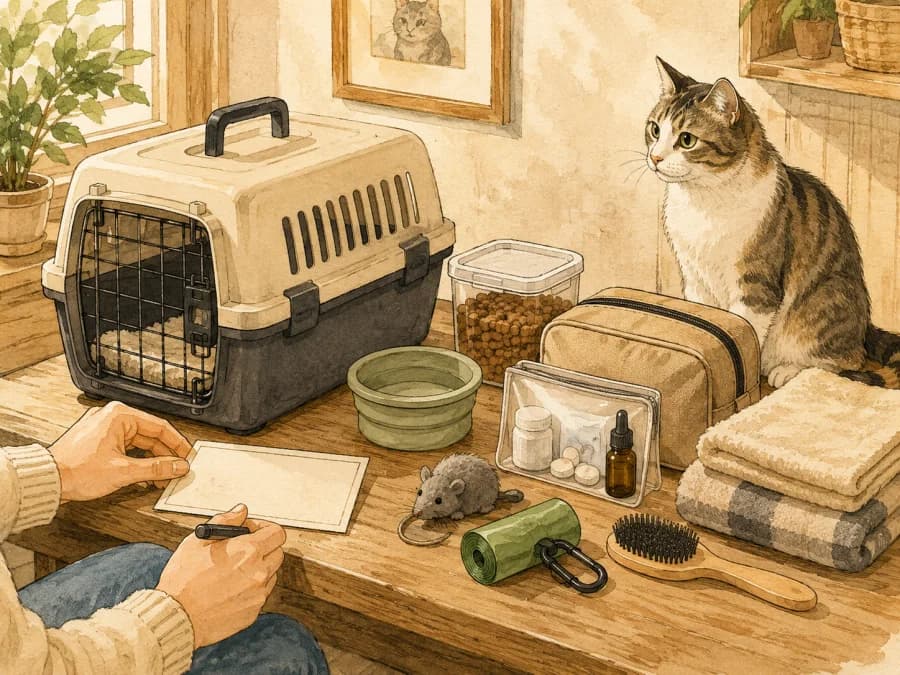
Reliable Sitter vs Risky Sitter
| What you ask about | Reliable answer | Risky answer |
|---|---|---|
| Meet-and-greet | "Let's review food, litter, doors, hiding spots, and emergency contacts." | "No need. Cats are easy." |
| Visit proof | "I send arrival/departure notes, photos when possible, and food/litter updates." | "I'll tell you if something is wrong." |
| Hidden cat | "I check usual hiding places without dragging the cat out." | "If I don't see the cat, I assume it's fine." |
| Litter | "I scoop every visit and report unusual urine or stool." | "I only feed unless you pay extra." |
| Emergency | "I call you, then the vet or backup contact if needed." | "I've never had a problem." |
| Access | "I confirm keys, codes, backup entry, and lock-up." | "We'll figure it out." |
This table is especially useful when comparing a friend, a neighbor, a private sitter, and an app-based sitter. The best person is not always the most polished profile. It is the person who understands the job.
What a Good Cat Sitting Visit Includes
| Task | Why it matters | Proof to ask for |
|---|---|---|
| Fresh food and water | Cats can avoid stale or dirty bowls | Photo of bowls after refresh |
| Litter check | Urine/stool changes can signal stress or illness | Short note on litter box condition |
| Visual cat check | Hiding can be normal, but the sitter should look | Photo or description of location |
| Door/window check | Escape prevention matters | Confirmation in update |
| Medication if needed | Missed doses can be serious | Timestamped note after dosing |
| Behavior note | Appetite and attitude help you spot problems | "Ate, hid, played, vocalized" update |
The Price Question: Cheap Is Not Always Simple
Many owners focus on whether a home visit is worth the fee if it takes only 15-30 minutes. The value is not only the minutes. It is access, responsibility, travel time, reliability, and judgment.
That said, higher price does not automatically equal better care. Ask what is included. A clear service list is better than a vague premium promise.
If a sitter is much cheaper than everyone else, ask what is missing. Does the visit include litter? Does it include a photo? Will they check all water stations? Will they stay long enough to find a shy cat? Cheap can be fine for a low-risk, repeat, one-cat household. Cheap becomes risky when the cat needs monitoring and the sitter has not priced enough time to do the work.
For deciding whether your cat should stay home or board elsewhere, read cat boarding vs pet sitter. If you are deciding whether visits are needed at all, see how long cats can stay home alone.
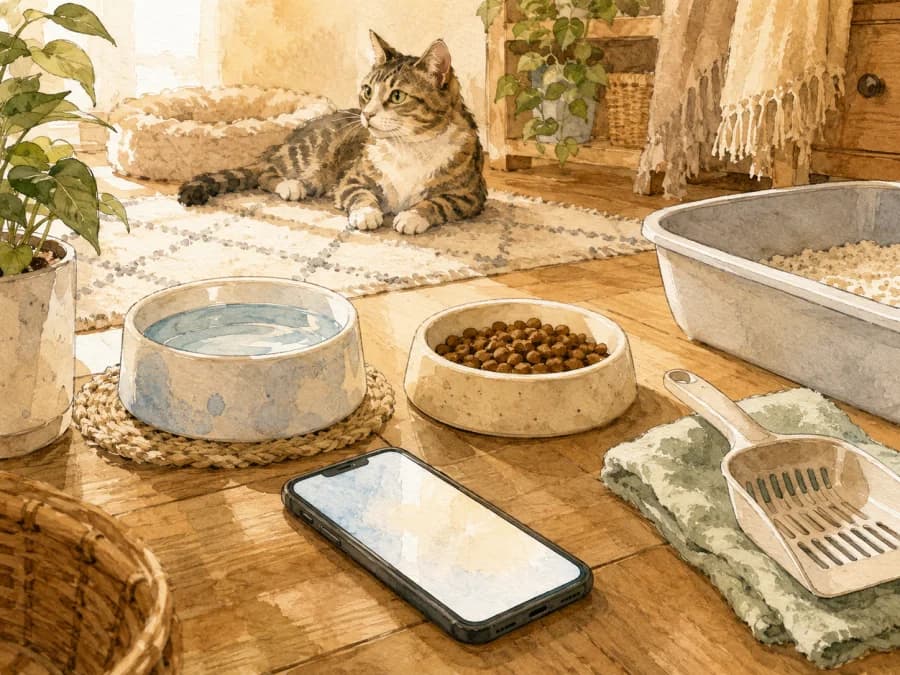
Instructions to Leave for the Sitter
Write the instructions before you are packing. Include:
- Feeding times and exact amounts.
- Water bowl locations.
- Litter box location and cleaning instructions.
- Treat rules.
- Medication instructions, if any.
- Where the carrier is stored.
- Your veterinarian's contact information.
- A backup local contact.
- Rooms, doors, windows, balconies, and appliances to avoid.
- What your cat normally does when relaxed, scared, or hungry.
- What should trigger a call immediately.
Do not rely on memory or chat messages buried in a thread. A printed page near the food station is boring in the best way.
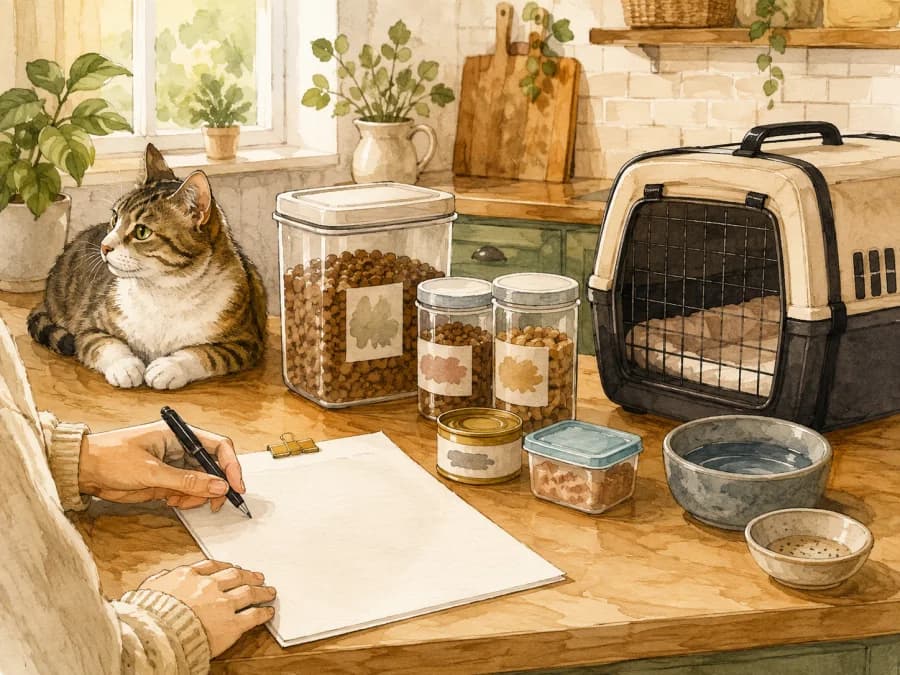
When a Sitter Is Not Enough
Choose a stronger care option if your cat needs injections, timed medication, close appetite monitoring, post-surgery observation, or medical judgment. Some cats are better served by a veterinary clinic, medical boarding facility, or experienced professional sitter.
Also be careful if your cat hides so intensely that nobody can confirm whether it ate or used the litter box. In that case, the care plan needs a way to verify welfare without terrorizing the cat.
Before you book, decide the escalation rule in plain language: "If you cannot confirm she ate for one full day, call me and my veterinarian." A sitter should not have to guess whether not eating is normal for your cat.
References
International Cat Care: Stress in cats
Animal Behavior & Care Writer
Rachel has a background in zoology and animal care volunteering. She writes about cat behavior, enrichment, and the relationship between cats and their everyday environment.
Written by Rachel Breen. Read our Editorial Policy.
FAQ
Frequently asked questions
New on NookPetdia
Latest articles
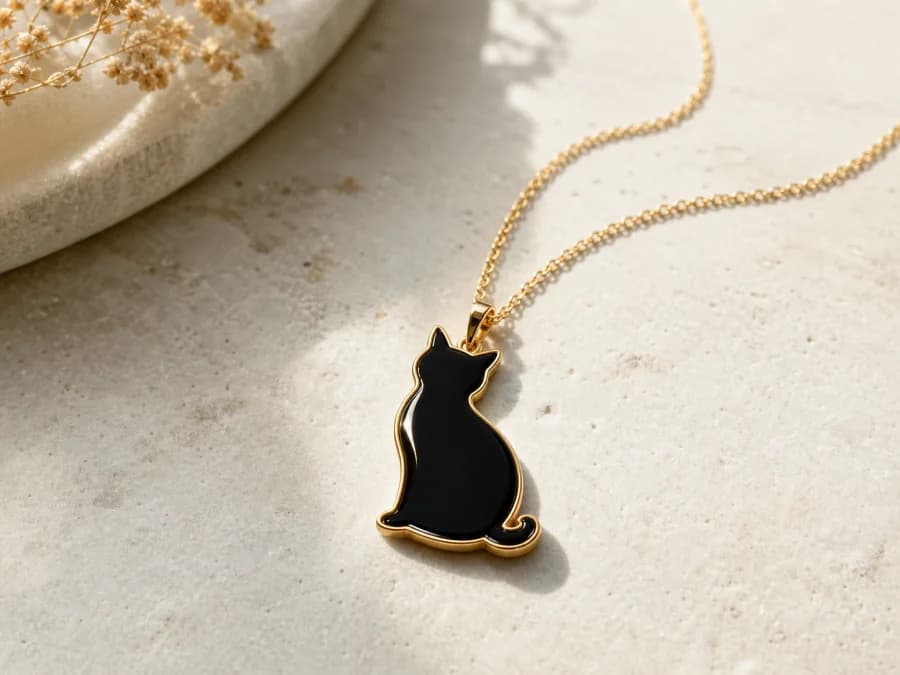
Black Cat Jewelry Guide (Style, Meaning, Gift Timing)
Black cats are the hardest subject to render in a small pendant and the best subject for silhouette work. Here is which styles hold up, what the symbolism actually carries, and the two dates worth planning a gift around.
Cat Mom & Cat Dad Gift Ideas That Aren't Cheap Charms
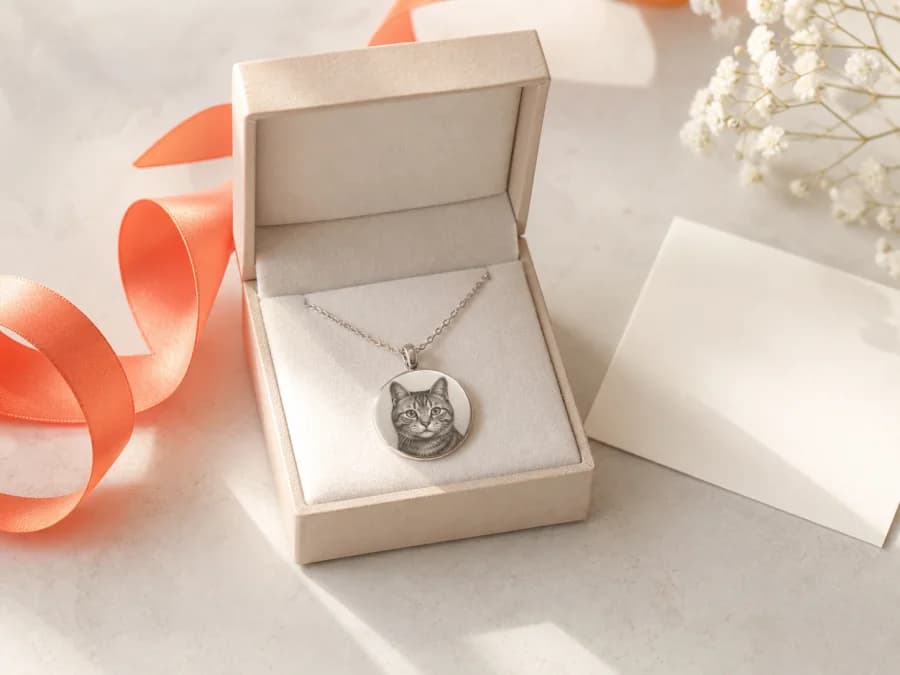
Most cat-themed gifts are novelty items that get used twice. Here is how to buy something a cat parent keeps — including what to confirm about metal, sizing, and timing before you order anything personalized.
Custom Pet Portrait Jewelry vs Print: What's Worth Buying
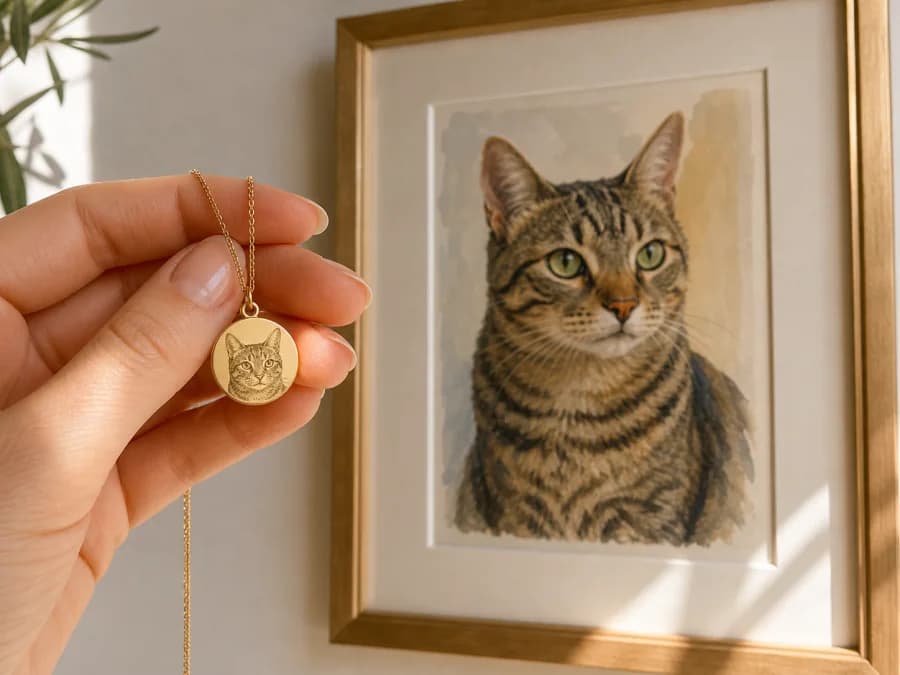
Wearable portrait jewelry and framed pet portraits solve different problems. Here is how they compare on likeness, cost, durability, and daily use — and which one to commission first.