Some cats like fish. Some cats love fish. Some cats act as if fish is an alarming object that has no business being near their bowl.
That range is the point. "Cats like fish" is a cultural shortcut, not a rule. In the owner reports behind this article, many cats refused salmon, cod freeze-dried treats, fish cans, dried small fish, and fish-flavored food. Some preferred chicken, rabbit, beef, shrimp, or plain kibble. Others liked one fish product but rejected another.
If your cat does not like fish, that is usually a preference, not a problem. The more important question is whether your cat is eating enough complete food overall.
AI Summary
Overview
Cats can like fish, but not all cats do. Fish is not required for a healthy cat diet, and a cat that refuses fish can still be perfectly normal. Preference depends on early food exposure, smell, texture, fat level, temperature, freshness, and the individual cat.
Fish can be used as an occasional part of a cat's diet if it is cat-safe and prepared appropriately, but it should not crowd out complete and balanced food.
Fish refusal by itself is usually not a medical sign. A broader appetite change is different: if your cat stops eating normal food, loses weight, drools, vomits, or seems painful while chewing, treat that as a veterinary question.
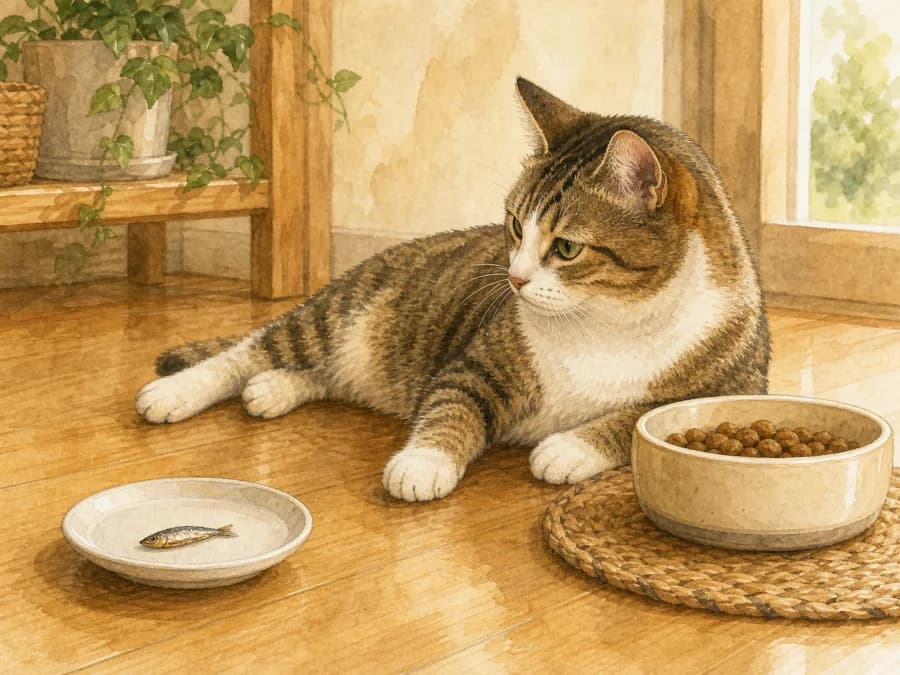
Why the Fish Myth Sticks
The fish-loving cat is easy to remember. Cartoons, seafood markets, fishing docks, and old pet-food imagery all make fish feel like an obvious cat food. Fish also has a strong smell, and strong-smelling food can get a cat's attention.
But attention is not the same as preference. A cat may sniff fish because it is intense, then still walk away. Another cat may love tuna smell but refuse a dry whole fish. Another may like cooked salmon but reject freeze-dried cod.
Owner discussions repeatedly show this mismatch: people buy fish because they assume it will be a sure treat, then discover their cat only wants poultry, only wants kibble, or refuses anything unfamiliar.
Some owners notice a very specific pattern: the cat is curious enough to sniff fish, but not interested enough to eat it. That matters because sniffing is not consent to eat, and a strong smell can be information rather than temptation.
Our in-house observations of Mimi and TuanTuan fit the same broader lesson. Two cats can live in the same home, smell the same food, and make completely different choices. That does not prove what all cats do; it simply keeps the article honest about individual preference.
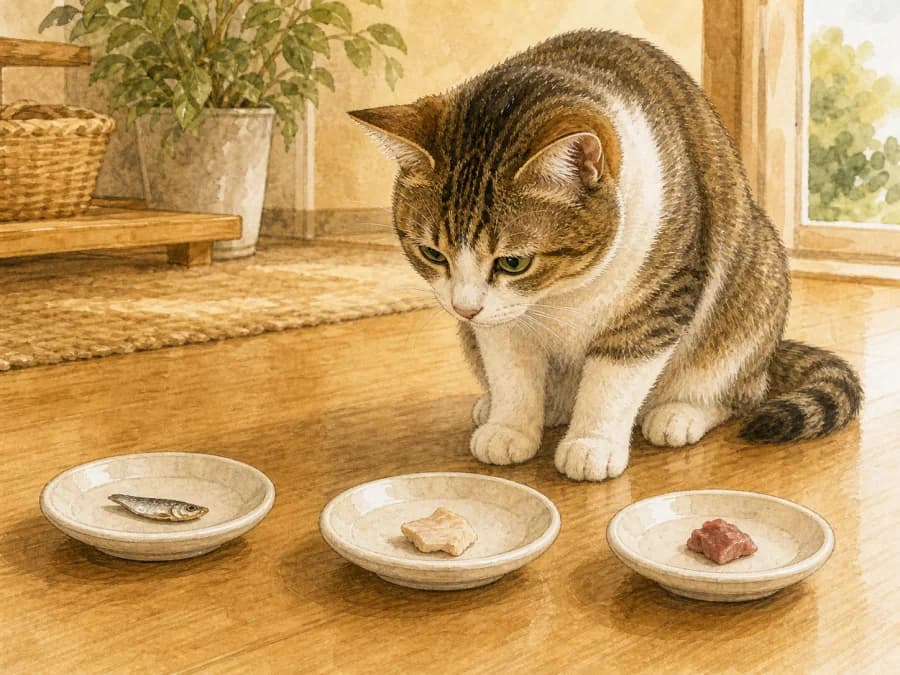
Cats Are Built for Meat, Not for One Specific Flavor
Cats are obligate carnivores, which means they need nutrients that come from animal tissue. That does not mean every cat has the same favorite protein.
A complete commercial cat food can meet a cat's nutritional needs whether its main flavor is chicken, turkey, rabbit, beef, salmon, or another properly formulated recipe. The key is the full nutrient profile, not whether the label says fish.
This matters because owners sometimes worry that a cat who refuses fish is missing something essential. Usually, the answer is no. If your cat eats a complete and balanced food well, fish is optional.
Why One Cat Loves Fish and Another Refuses It
Several factors can shape the answer:
- Early exposure. Cats may trust foods they met when young and avoid unfamiliar smells later.
- Smell intensity. Fish can be attractive to some cats and too strong for others.
- Texture. Soft fish, canned fish, freeze-dried fish, and hard dried fish are different experiences.
- Temperature. Some cats prefer warmed aromas; others dislike the stronger smell.
- Freshness and quality. Oxidized oils, bitterness, or off smells can turn a cat away.
- Past discomfort. If a cat once felt sick after a food, it may avoid similar smells.
- Mouth comfort. Dental pain or oral disease can make firm textures harder to manage.
This is why one cat may reject raw salmon but eat cooked fish, or eat fish-flavored kibble but refuse a dried whole fish treat.
If your cat is a "non-fish cat," do not keep escalating from tuna to salmon to sardines to dried whole fish just to make the myth come true. A better use of that information is to choose a complete food and occasional treats your cat already handles well.
Can Cats Eat Fish at All?
Many cats can eat appropriate fish as an occasional treat or as part of a complete cat food. The caution is about form, frequency, and preparation.
Avoid seasoned fish, salty fish, fried fish, fish with bones, spoiled fish, and raw fish offered casually. VCA's thiamine guidance notes that some raw fish contain thiaminase, an enzyme that destroys thiamine. Thiamine deficiency can cause serious neurologic problems in cats.
Fish should also not become the only thing your cat eats unless a veterinarian has recommended a specific therapeutic diet. A fish treat is not a balanced meal by itself.
For the treat-safety side, see are dried fish treats safe for cats.
What If My Cat Refuses Every Fish Product?
Let it be useful information. If your cat dislikes fish, you can buy non-fish foods and treats with more confidence. Look for complete cat foods your cat eats consistently and treats that do not disrupt that routine.
Do not keep escalating through expensive fish products just because the myth says cats should like them. A cat that refuses salmon, cod, sardines, and dried fish may simply be a non-fish cat.
If the refusal is only about fish, relax. If the refusal expands to normal meals, read will a picky cat starve itself and contact your veterinarian if appetite is dropping.
Key Takeaway
Cats do not have one universal flavor setting. Fish is attractive to some cats and irrelevant or unpleasant to others. A cat can dislike fish and still be healthy, well-fed, and completely normal.
Use fish as an optional treat, not as a test of whether your cat is "cat-like" enough.
References
Cornell Feline Health Center. How Often Should You Feed Your Cat?.
VCA Animal Hospitals. Thiamine.
VCA Animal Hospitals. Feline Picky Eaters.
Animal Behavior & Care Writer
Rachel has a background in zoology and animal care volunteering. She writes about cat behavior, enrichment, and the relationship between cats and their everyday environment.
Written by Rachel Breen. Read our Editorial Policy.
FAQ
Frequently asked questions
New on NookPetdia
Latest articles
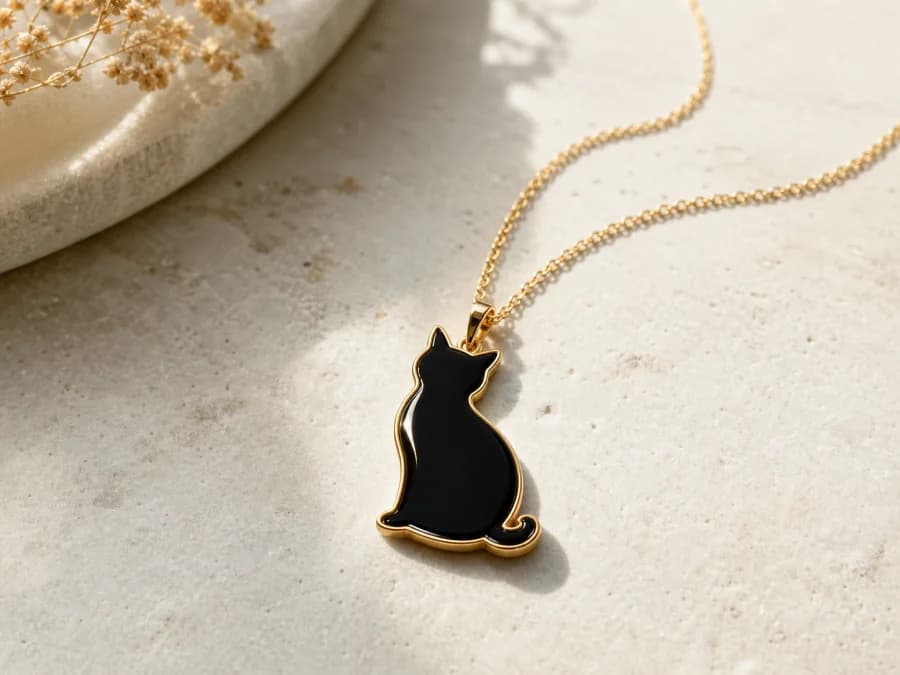
Black Cat Jewelry Guide (Style, Meaning, Gift Timing)
Black cats are the hardest subject to render in a small pendant and the best subject for silhouette work. Here is which styles hold up, what the symbolism actually carries, and the two dates worth planning a gift around.
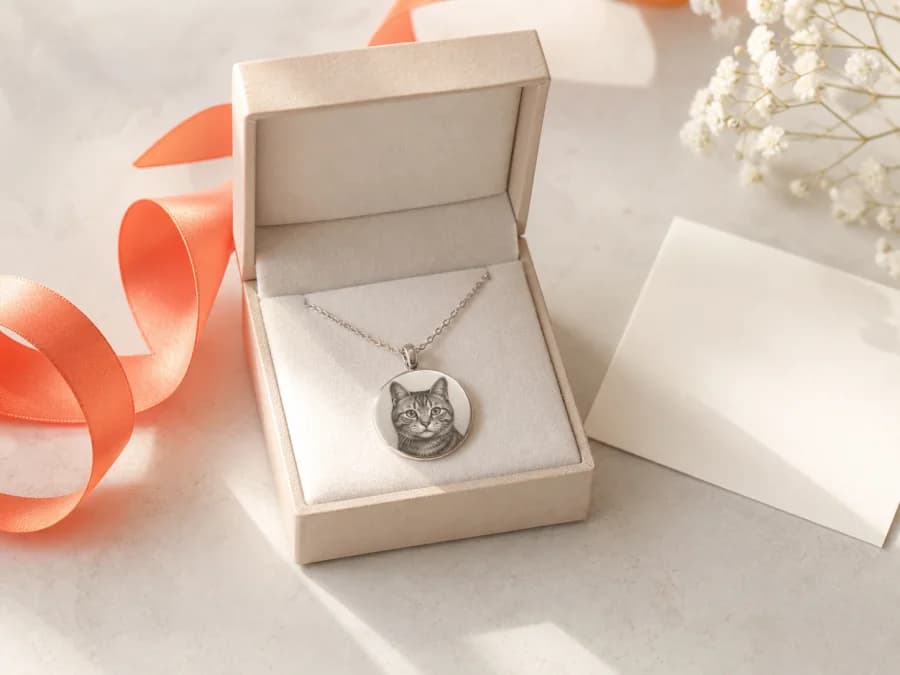
Cat Mom & Cat Dad Gift Ideas That Aren't Cheap Charms
Most cat-themed gifts are novelty items that get used twice. Here is how to buy something a cat parent keeps — including what to confirm about metal, sizing, and timing before you order anything personalized.
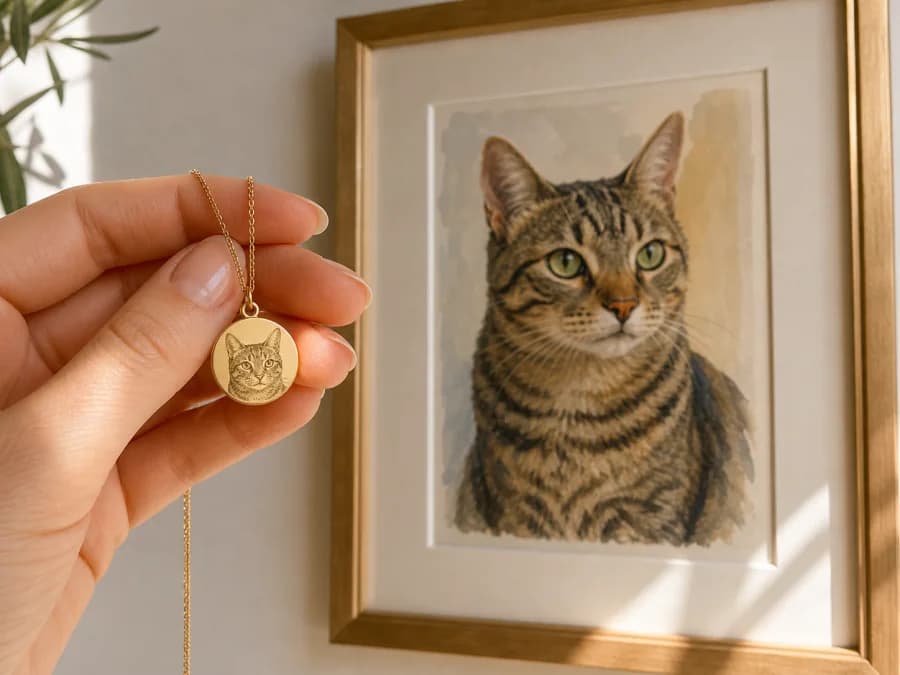
Custom Pet Portrait Jewelry vs Print: What's Worth Buying
Wearable portrait jewelry and framed pet portraits solve different problems. Here is how they compare on likeness, cost, durability, and daily use — and which one to commission first.