When a new cat hisses at a resident cat, the first meeting can feel like a disaster. Hissing usually means one cat wants space, and the introduction moved too fast. Separate them and restart with scent swapping and short visual steps before face-to-face time.
AI Summary
Overview
First steps: Separate the cats and restart with a slower introduction. Use scent swapping and calm visual access before shared meetings.
Get help if: You see chasing without pause, fighting, injury, blocked food or litter, a cat not eating, or ongoing distress. Contact your veterinarian or a qualified behavior professional.
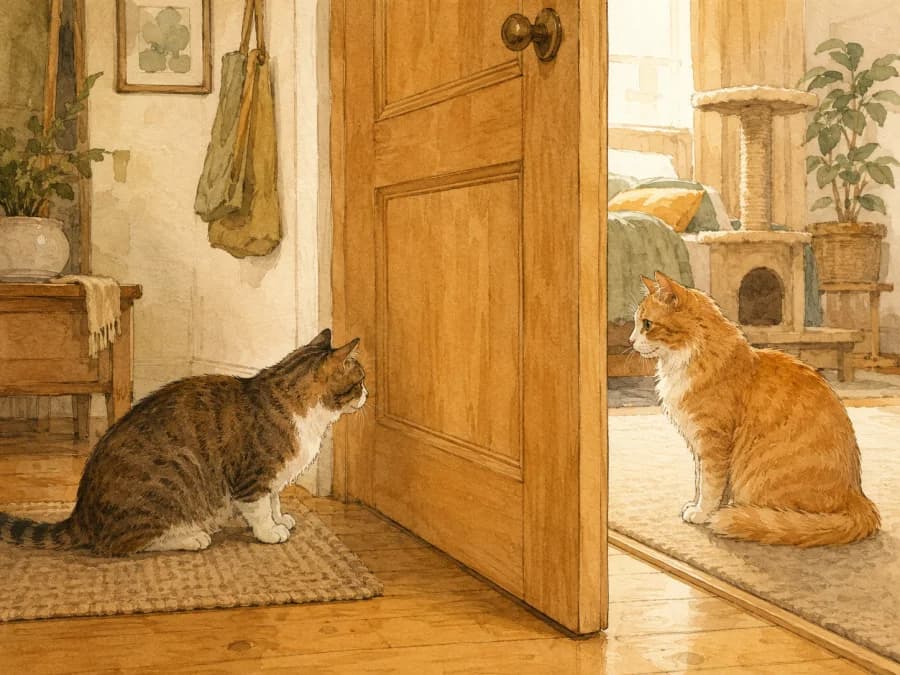
What Hissing Means
Hissing is a distance-increasing signal. A cat is saying, "Do not come closer."
That is useful information. If you respect it, you can keep the introduction safer. If you ignore it, the cat may escalate to swatting, chasing, or fighting.
New cats may hiss because:
- The home smells unfamiliar.
- The resident cat feels like a threat.
- The cat has no escape route.
- The introduction happened too fast.
- The cat is stressed from transport.
- The cat is protecting food, litter, or hiding space.
Resident cats may hiss for the same reasons. Territory matters to cats.
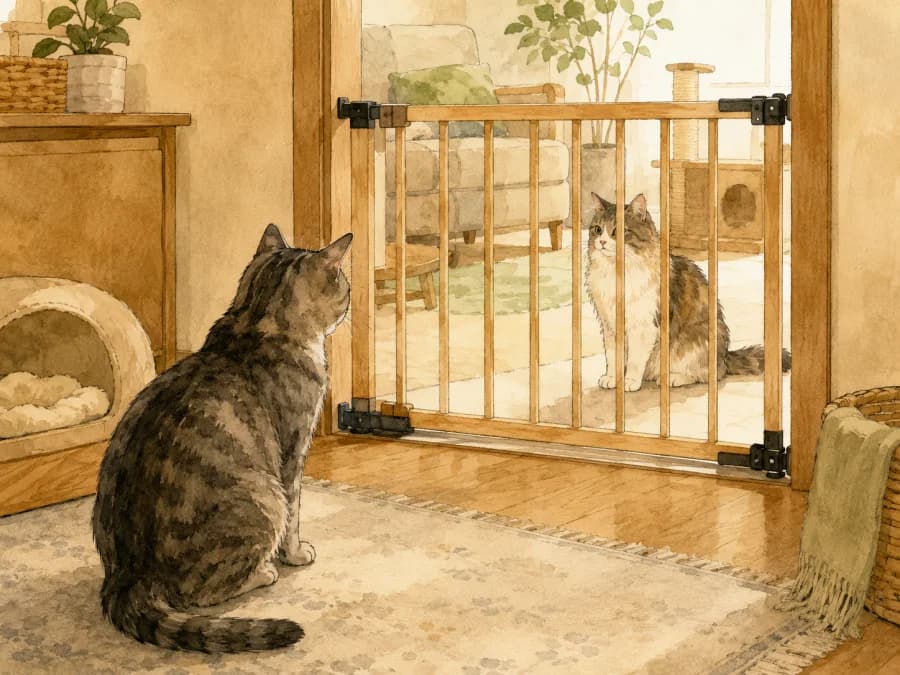
Slow Introduction Plan
| Stage | Goal | Move forward when |
|---|---|---|
| Separate rooms | New cat decompresses safely | Both cats eat and rest normally |
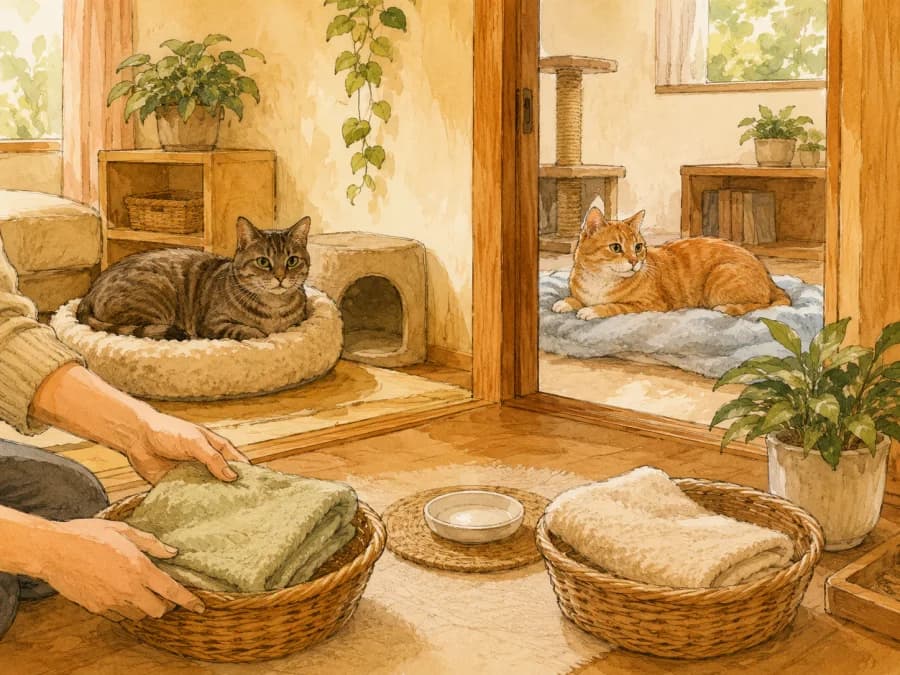
| Scent swapping | Cats learn each other's smell | Sniffing without major distress |
| Door feeding | Good things happen near the other cat's scent | Both eat near door calmly |
| Visual access | Brief sight through gate or cracked door | Looking without lunging or panic |
| Short supervised meetings | Calm shared time | Both can disengage |
If either cat escalates, go back one step.
Troubleshooting the Stage You Are Stuck On
| Problem | Likely meaning | Better next step |
|---|---|---|
| New cat hisses from under furniture | The cat needs safety and distance | Keep the starter room quiet and reduce visual pressure |
| Resident cat camps outside the door | Territory concern or curiosity | Block direct staring and feed farther from the door |
| One cat refuses food near the door | The step is too intense | Move bowls farther away and rebuild comfort |
| Hissing starts at visual access | Sight is too much too soon | Return to scent swapping and shorter views |
| Chasing starts during meetings | The meeting is too long or too close | Separate calmly and restart at a previous stage |
| One cat blocks food or litter | Resource pressure | Add separate resources and more escape routes |
Moving slowly protects the first impression and keeps early fear from becoming a habit.
What Not to Do
Do not:
- Put the cats face-to-face on day one.
- Hold one cat up to the other.
- Punish hissing.
- Let them fight it out.
- Share one litter box during the introduction.
- Remove hiding places.
- Leave them unsupervised too soon.
International Cat Care recommends gradual introductions because forcing contact can increase conflict and stress.
A common piece of bad advice is to let them figure it out. Cats do not always resolve territorial conflict cleanly. Some learn to avoid, block, chase, or guard resources. Manage distance early so the cats do not have to escalate.
When Hissing Is More Serious
Get help if you see:
- Chasing with no pause.
- Fur flying.
- Injuries.
- One cat blocking food, water, or litter.
- A cat not eating.
- A cat hiding constantly.
- Urination or defecation outside the litter box.
- Aggression toward people.
Stress can affect appetite and litter habits, so do not wait too long if one cat stops functioning normally.
For adoption expectations, see adult cat adoption. For screening before bringing a cat home, read cat adoption red flags.
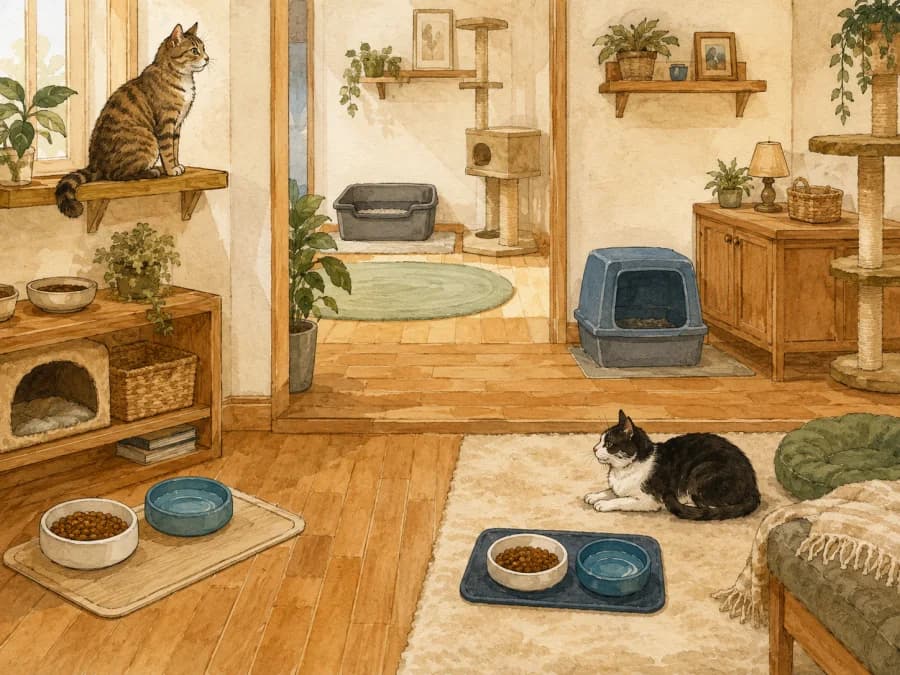
Resource setup matters as much as the introduction steps. During the transition, each cat should have reliable access to food, water, litter, resting spots, scratching, and escape routes. If every valuable resource sits in one hallway or one room, the cats have more reasons to confront each other.
When to Pause the Introduction
If either cat escalates during a step, pause and return to separation, then go back to an earlier stage in the plan above. That pause keeps both cats from rehearsing fear every day. For signs that need veterinary or behavior help, use the list in the previous section.
If there has already been a fight, give both cats a quiet reset period and check for injuries before trying again. Cat puncture wounds can be hard to see under fur, so contact your veterinarian if you notice pain, swelling, limping, hiding, or a cat that does not want to be touched.
References
International Cat Care: Introducing cats
Animal Behavior & Care Writer
Rachel has a background in zoology and animal care volunteering. She writes about cat behavior, enrichment, and the relationship between cats and their everyday environment.
Written by Rachel Breen. Read our Editorial Policy.
FAQ
Frequently asked questions
New on NookPetdia
Latest articles

Black Cat Jewelry Guide (Style, Meaning, Gift Timing)
Black cats are the hardest subject to render in a small pendant and the best subject for silhouette work. Here is which styles hold up, what the symbolism actually carries, and the two dates worth planning a gift around.
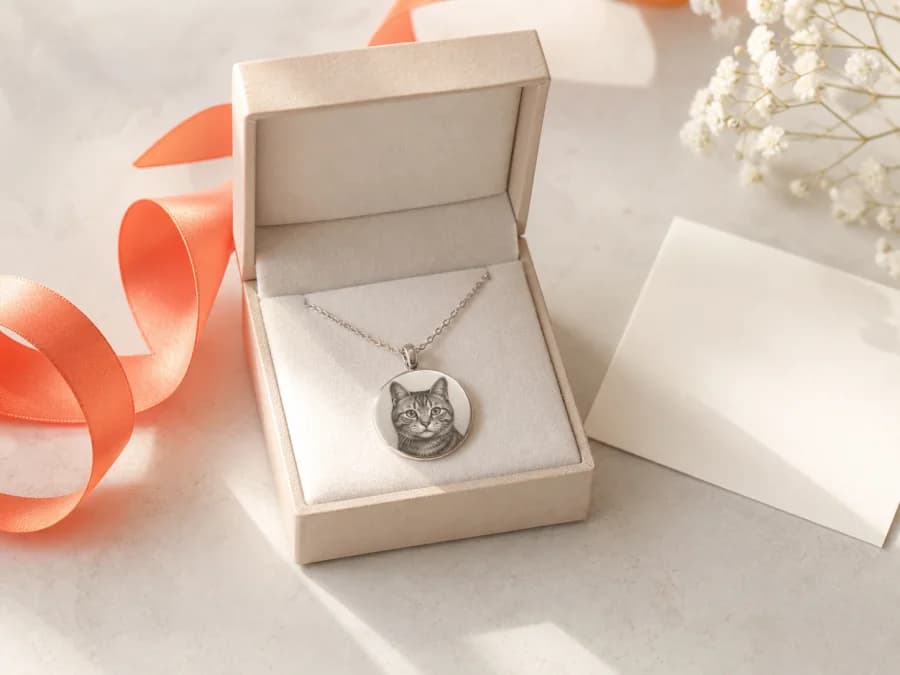
Cat Mom & Cat Dad Gift Ideas That Aren't Cheap Charms
Most cat-themed gifts are novelty items that get used twice. Here is how to buy something a cat parent keeps — including what to confirm about metal, sizing, and timing before you order anything personalized.
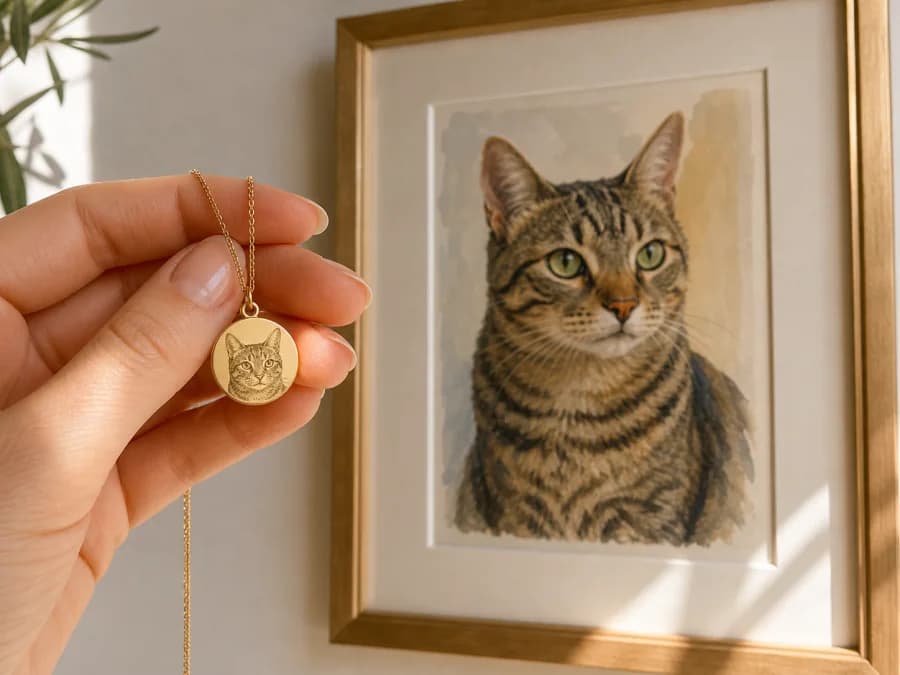
Custom Pet Portrait Jewelry vs Print: What's Worth Buying
Wearable portrait jewelry and framed pet portraits solve different problems. Here is how they compare on likeness, cost, durability, and daily use — and which one to commission first.