Adoption should feel careful, not chaotic.
Our team reviewed recurring questions from people confused by deposits, home visits, vague medical histories, pressure to decide fast, strict follow-up rules, and private rehoming posts that felt more like a transaction than a cat welfare plan. The worry is reasonable: a bad adoption process can hurt both the cat and the adopter.
This guide is not anti-rescue. Good rescues do important work. It is a practical filter for knowing when to slow down.
AI Summary
Overview
Cat adoption red flags include vague or missing medical information, pressure to pay before meeting the cat, unclear fees, no adoption agreement, excessive privacy demands, refusal to answer basic questions, no return plan, and a cat being handed over with no food, records, or behavior context.
A reasonable process should protect the cat, respect the adopter, and put important details in writing.

Red Flags in the Listing
Be cautious if the listing:
- Uses only one blurry photo.
- Avoids age, sex, spay/neuter status, or medical history.
- Says the cat is perfect with everyone but gives no context.
- Uses extreme urgency without explanation.
- Does not say where the cat is currently living.
- Asks for money before any conversation.
- Refuses a basic meet-and-greet.
Urgency can be real, especially in rescue. But pressure should not replace information.
| Listing detail | Green flag | Red flag |
|---|---|---|
| Photos | Clear recent photos, realistic behavior notes | One blurry photo, stolen-looking images, no context |
| Cat basics | Age estimate, sex, spay/neuter status if known | Avoids basic identity and health questions |
| Story | Honest reason for rehoming or rescue status | Inconsistent story that changes when asked |
| Meeting | Allows safe meet-and-greet or foster/shelter process | Pushes payment before seeing cat or records |
| Urgency | Explains the timeline and limits | Uses panic to stop questions |
Red Flags in Fees and Deposits
Fees can be normal. Shelters and rescues often charge adoption fees to cover spay/neuter, vaccines, microchips, testing, food, and care. The red flag is not "there is a fee." The red flag is unclear money.
Ask:
- What does the fee include?
- Is it refundable?
- When is payment due?
- Can I see records?
- Is there a written agreement?
If someone wants a deposit immediately but cannot answer basic questions, slow down.
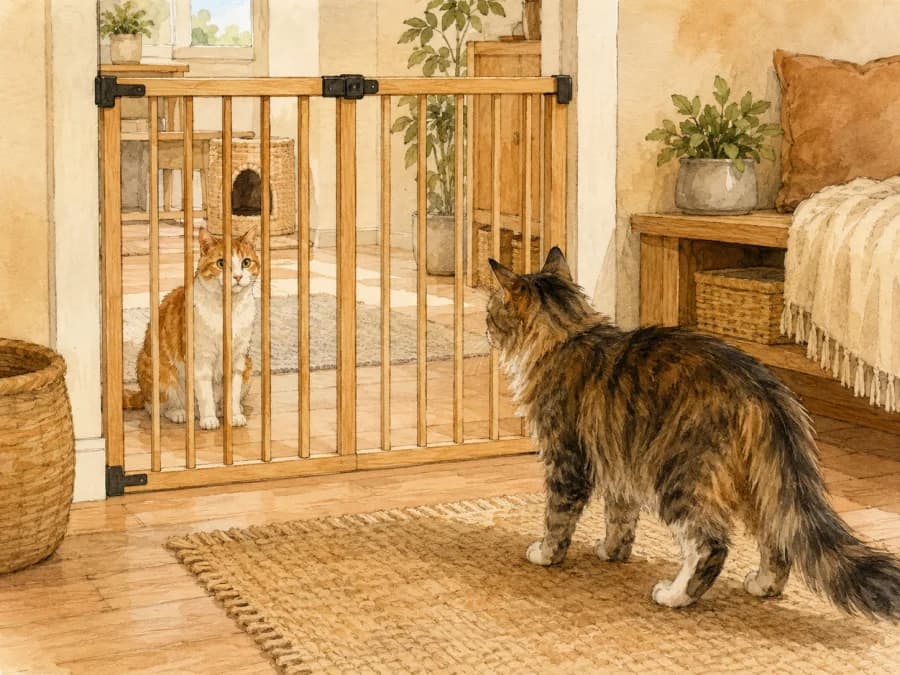
For private rehoming, keep money boring: written amount, written terms, traceable payment method, and no extra surprise fees. Avoid sending deposits to hold a cat you have not verified, especially if the person will not provide basic information.
Red Flags in Health and Behavior Information
Ask for:
- Vaccination status.
- Spay/neuter status.
- Microchip status.
- Known medical issues.
- Current food and litter.
- Behavior with cats, dogs, children, and handling.
- Bite or aggression history if known.
- Litter box history.
No one knows everything about every cat. But honest uncertainty is different from evasiveness.
| Information gap | Acceptable uncertainty | Concerning response |
|---|---|---|
| Exact age | "The vet estimates 2-3 years." | "Age does not matter, decide today." |
| Medical history | "We have these records, and these parts are unknown." | "Healthy, no records, no vet visit needed." |
| Behavior with cats | "Unknown, introduce slowly." | "Great with all cats" with no experience behind it |
| Litter habits | "No issues in foster so far." | Refuses to discuss accidents or stress |
| Return/support | Clear return or support policy | "Once you pay, not my problem." |
Privacy and Home Visit Boundaries
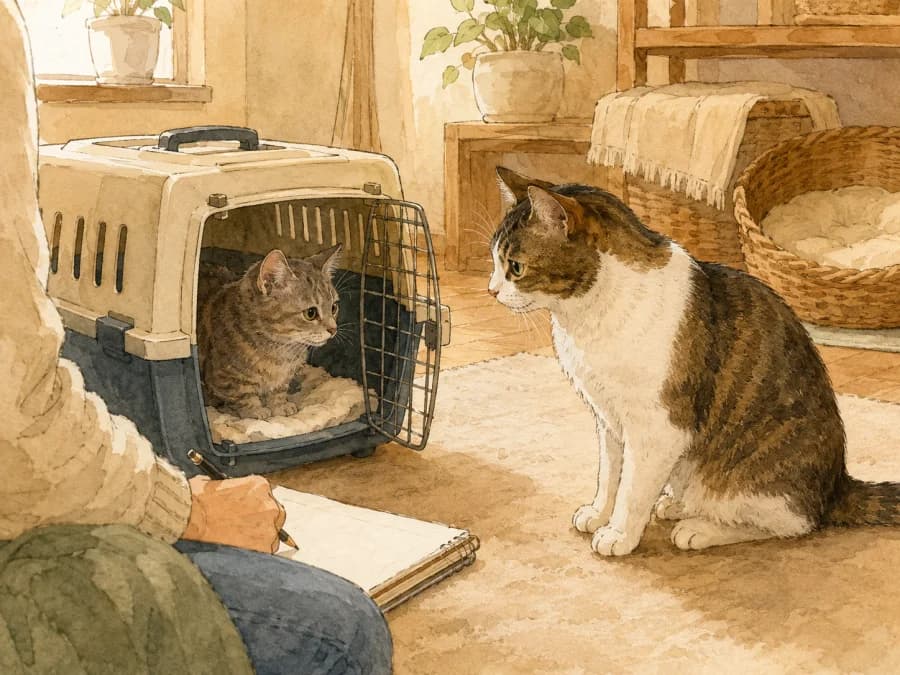
Home visits and applications can be reasonable when focused on cat safety. They become concerning when they demand too much personal access without clear handling.
For more detail, read cat adoption home visit.
Reasonable questions: pet experience, household members, other pets, housing rules, and care plan.
Potential overreach: unnecessary ID copies, income details, surprise visits, indefinite access, or pressure to share sensitive information with a private stranger.
Shelter, Rescue, or Private Rehoming?
| Source | Common strengths | What to verify |
|---|---|---|
| Public shelter | Established process, basic records, adoption counseling | Medical status, return policy, known behavior notes |
| Foster-based rescue | More home-life observations, cat personality context | Fee terms, privacy practices, medical documentation |
| Private rehoming | Direct history from current owner may be available | Ownership clarity, vet records, payment pressure, safe handoff |
| Online listing | Wide selection and speed | Scams, vague identity, copied photos, rushed deposits |
No source type is automatically good or bad. The safer question is whether the person can answer practical questions clearly and put important terms in writing.
Red Flags After You Bring the Cat Home
Contact the shelter, rescue, or veterinarian if:
- The cat will not eat.
- The cat seems sick, weak, or painful.
- The cat has severe diarrhea or vomiting.
- The cat is dangerously aggressive.
- Existing pets are fighting.
- The medical history does not match what you were told.
For resident-cat conflict, see new cat is hissing at resident cat. For adult cat expectations, read adult cat adoption.
If something feels wrong after the adoption, document rather than spiral: food intake, litter use, vomiting, hiding, aggression, records received, and what the adopter was told. Documentation helps a rescue, shelter, or veterinarian understand the situation without relying on memory.
Green Flags Worth Looking For
Good adoption sources usually:
- Answer questions clearly.
- Provide records when available.
- Explain fees.
- Use a written agreement.
- Care about fit, not just speed.
- Offer realistic behavior information.
- Have a return or support policy.
- Encourage a slow transition.
In owner research we reviewed, the healthiest adoption processes had two-sided clarity: the adopter could ask hard questions, and the rescue could ask care-focused questions. Pressure, shame, and vagueness were the pattern to avoid.

References
Humane Society of the United States: Adopting from an animal shelter or rescue group
Animal Behavior & Care Writer
Rachel has a background in zoology and animal care volunteering. She writes about cat behavior, enrichment, and the relationship between cats and their everyday environment.
Written by Rachel Breen. Read our Editorial Policy.
FAQ
Frequently asked questions
New on NookPetdia
Latest articles
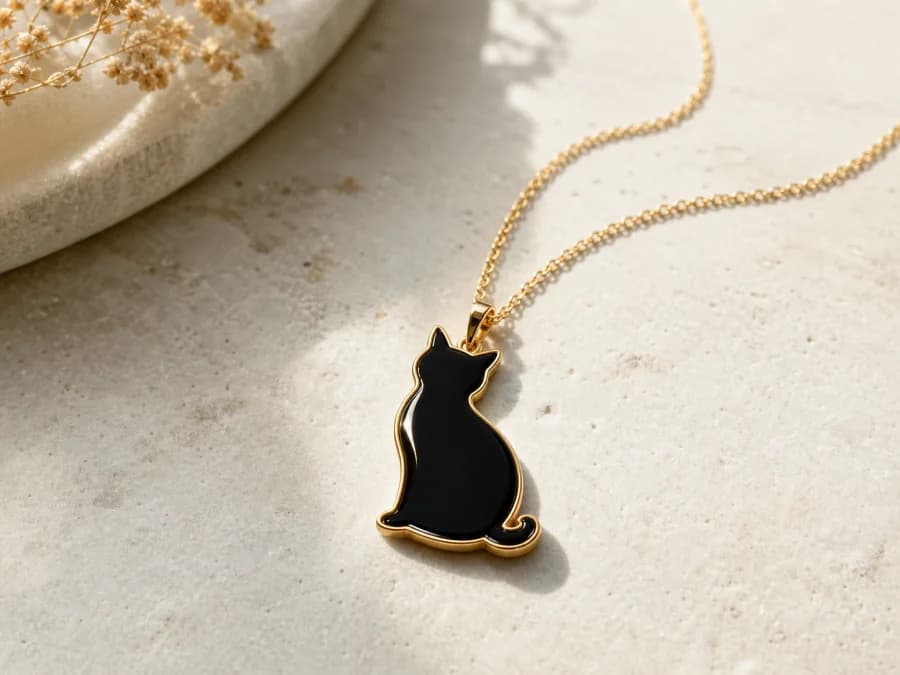
Black Cat Jewelry Guide (Style, Meaning, Gift Timing)
Black cats are the hardest subject to render in a small pendant and the best subject for silhouette work. Here is which styles hold up, what the symbolism actually carries, and the two dates worth planning a gift around.
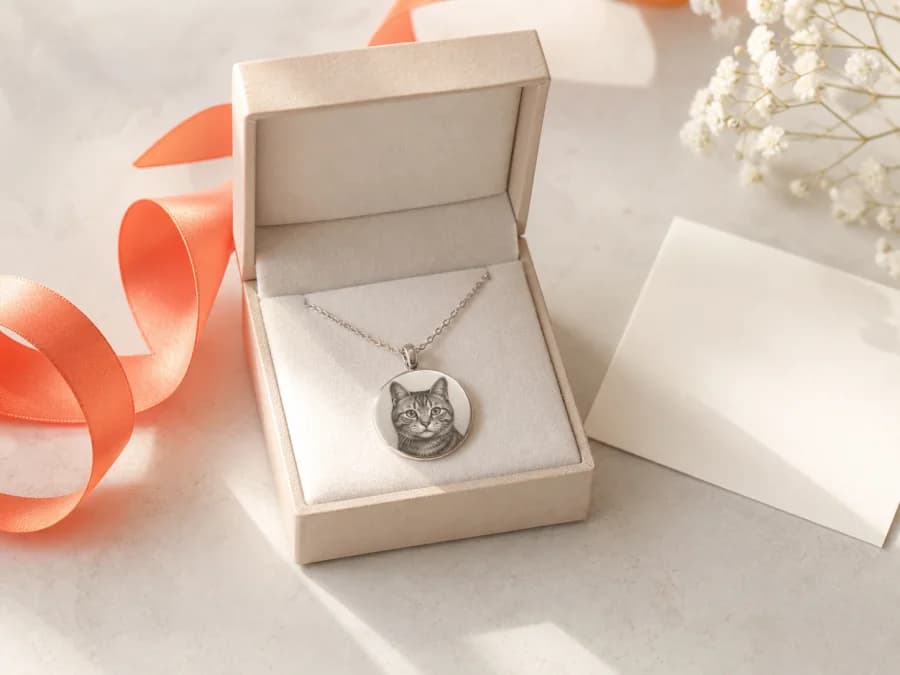
Cat Mom & Cat Dad Gift Ideas That Aren't Cheap Charms
Most cat-themed gifts are novelty items that get used twice. Here is how to buy something a cat parent keeps — including what to confirm about metal, sizing, and timing before you order anything personalized.
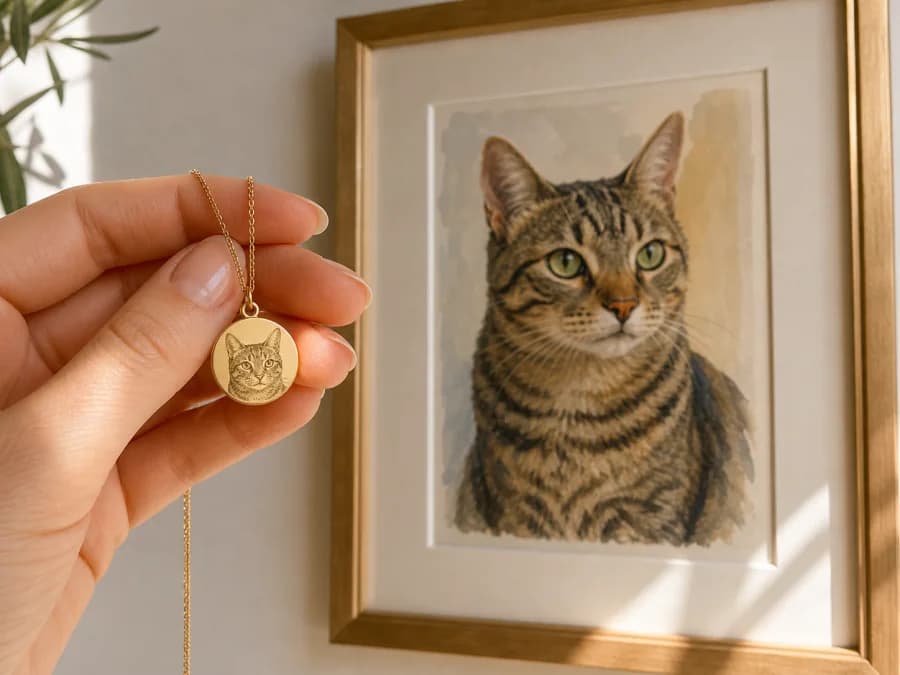
Custom Pet Portrait Jewelry vs Print: What's Worth Buying
Wearable portrait jewelry and framed pet portraits solve different problems. Here is how they compare on likeness, cost, durability, and daily use — and which one to commission first.