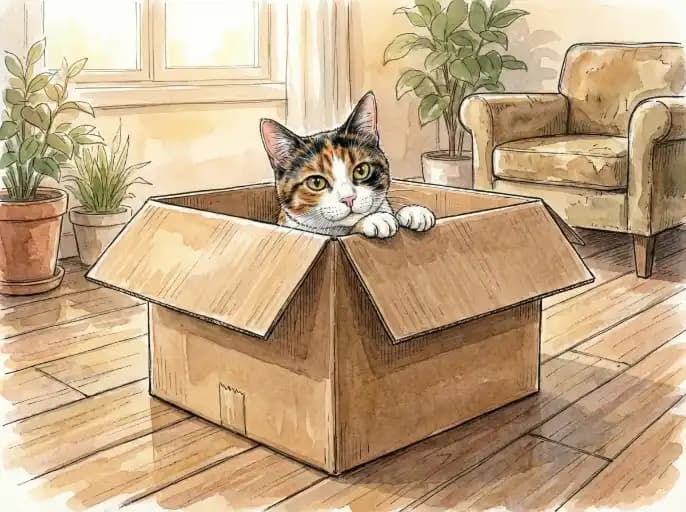
You buy a cat tree, and the cat moves into the cardboard box it came in. That looks like a quirky preference, but boxes cover a few practical needs: cover, a watch spot, warmth, and a place to step away when the house gets tense.
AI Summary
Overview
Boxes give cats cover and side support, which helps them feel less exposed.
A box opening works like a watch post: they can scan the room without being approached from behind.
Enclosed spaces can ease stress in new or changing environments, and cardboard holds heat in a range many cats prefer (about 30°C to 36°C).
In multi-pet homes, a box is an easy private corner when social tension rises.
1. Cover and a sense of safety
Cats hunt, and they also carry prey instincts that make open floors feel riskier than enclosed spots.
- Cardboard boxes stand in for wild cover such as dense brush or a small cave-like gap.
- The enclosed sides support the back and flanks, which helps many cats feel steadier.
- Hiding is a built-in way to cut down on perceived threats.
2. A place to watch from
Cats are ambush hunters. They rely on waiting and watching more than on being fully out in the open.
- From a box opening, a cat can observe the room while staying mostly hidden.
- Sitting inside reduces the chance of something coming up from behind.
- That setup lets them track household activity without stepping into direct interaction.
3. Stress relief in new places
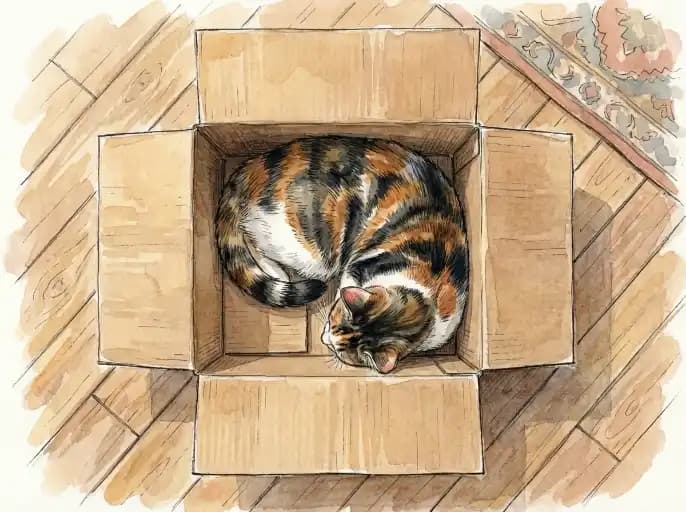
A box can lower stress for cats in new or changing environments. If your cat is already hiding after a scare, the same idea shows up in how to calm a scared cat: give them cover first, then wait.
- The walls blunt unfamiliar sights and sounds.
- Cats with access to boxes often settle into new homes or shelters faster than cats without that option.
- Hiding is a main feline strategy for lowering cortisol and managing anxiety.
4. Warmth and temperature
A house cat's preferred comfort range sits higher than what most people keep for themselves.
- Cardboard holds body heat well, so the box works as insulation.
- In a snug box, the cat spends less energy staying warm.
- Cats are most comfortable between 30°C and 36°C, which is why a small box feels like a warm nest.
5. Private space when tension rises
Unlike more social species, cats do not rely on drawn-out social negotiation to settle conflict. When tension rises, withdrawing is often the first move.
- Their first instinct during social tension is often to leave and hide rather than escalate.
- A box can function as a quiet "do not disturb" corner while the cat decompresses.
- A reliable safe spot in a multi-pet home can reduce how often stress shows up as behavior problems.
In homes where cats are still sizing each other up, that private corner matters as much as play. For introductions that go sideways, see what to do when a new cat hisses at a resident cat.
What to do at home
If the cat tree sits empty, that does not mean the purchase failed. Leave a few clean cardboard boxes around the house so your cat has cover, warmth, and a place to claim when the room gets noisy. Replace crushed or dirty boxes, and keep at least one in a low-traffic area so it stays a real retreat, not a hallway obstacle.
Founder & Editor
Micky is the founder and editor of NookPetdia, sharing practical cat-care guidance and product-fit advice for everyday cat parents.
Written by Micky. Read our Editorial Policy.
New on NookPetdia
Latest articles
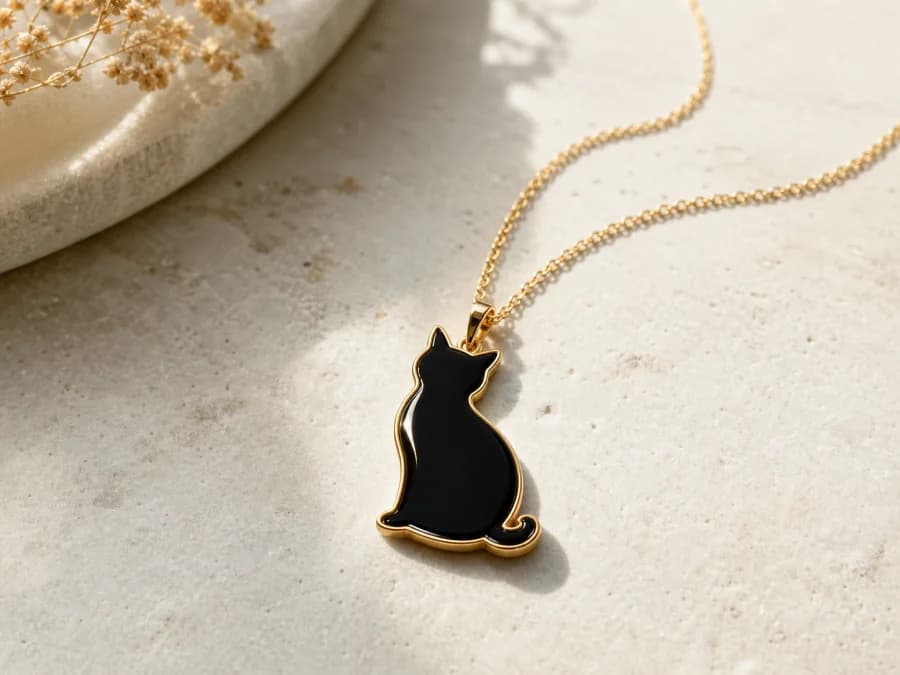
Black Cat Jewelry Guide (Style, Meaning, Gift Timing)
Black cats are the hardest subject to render in a small pendant and the best subject for silhouette work. Here is which styles hold up, what the symbolism actually carries, and the two dates worth planning a gift around.
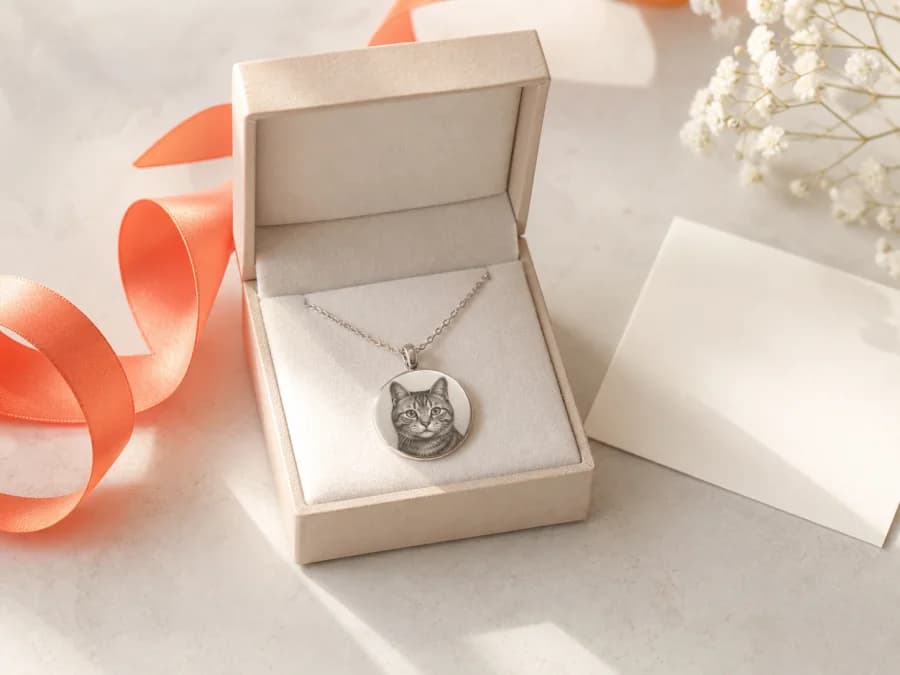
Cat Mom & Cat Dad Gift Ideas That Aren't Cheap Charms
Most cat-themed gifts are novelty items that get used twice. Here is how to buy something a cat parent keeps — including what to confirm about metal, sizing, and timing before you order anything personalized.
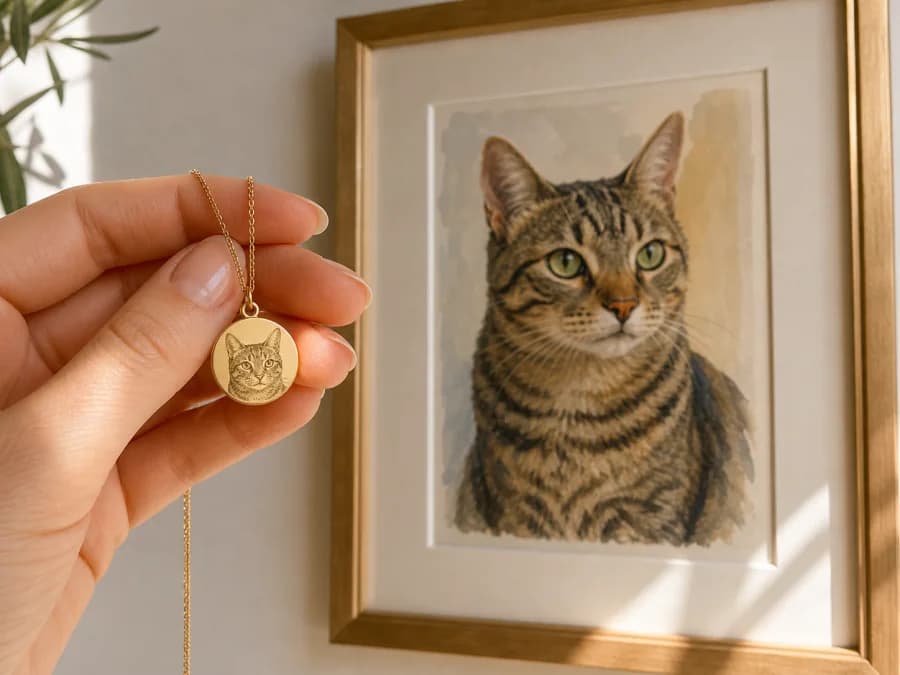
Custom Pet Portrait Jewelry vs Print: What's Worth Buying
Wearable portrait jewelry and framed pet portraits solve different problems. Here is how they compare on likeness, cost, durability, and daily use — and which one to commission first.