Cats notice small changes fast. When something startles them, they shift into a defensive state. That can look cold or unfriendly, but it is usually fear, not a choice to reject you.

AI Summary
Overview
Give a scared cat quiet cover and skip forced contact while they settle.
Soften your body language: less staring, a quieter voice, and wait for them to come out.
Optional aids such as pheromone products or catnip help some cats; only touch if they approach.
Rebuild with treats, play, and a steady routine once they start recovering.
1. Identify the fear trigger
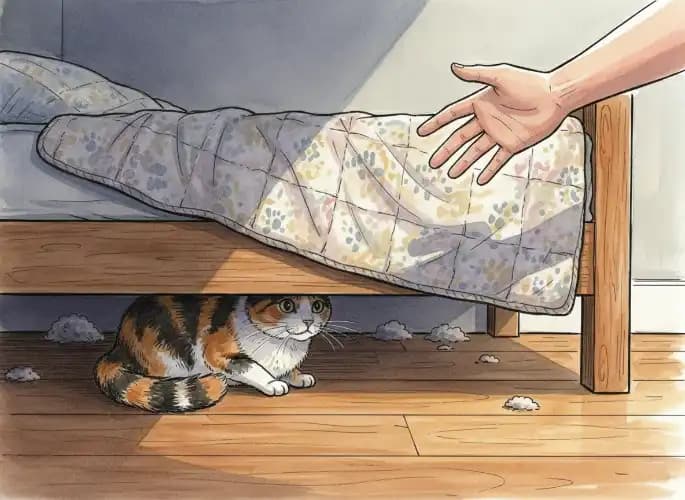
Understanding what scared your cat is the first step toward preventing the next scare. Common triggers include:
- Sudden noises such as doorbells, barking dogs, or fireworks.
- Unfamiliar scents from new people or animals entering the home.
- Environmental changes such as moved furniture, renovations, or storms.
- Abrupt movements, including a quick hand gesture or an accidental startle.
2. Provide a private hiding spot
When a cat is terrified, the first instinct is usually to find secure cover.
- Respect the hideout. Let your cat retreat to a quiet corner, under the bed, or inside a box. Boxes help for the same cover reasons covered in why cats love boxes.
- Offer a warm enclosed bed or soft blanket in a low-traffic area where they will not be disturbed.
- Ask other pets and family members to give the cat privacy during this recovery phase.
3. Use quiet reassurance
The way you move and speak affects how stressed your cat stays.
- Avoid hard staring. Looking away or using slow blinks signals that you are not a threat.
- Speak in a low, gentle voice so you are present without crowding them.
- Do not pull a hiding cat out. Wait until they decide the danger has passed and come to you.
4. Optional calming aids
Some products can help lower a cat's baseline anxiety through scent or distraction. They are support tools, not a substitute for space and patience.
- Pheromone diffusers or sprays that mimic a mother cat's calming signals may help some cats relax.
- For some cats, a small amount of catnip can distract them and ease tension.
- If, and only if, your cat approaches you, offer soft strokes on the back or behind the ears. Avoid sudden movements.
5. Gradual re-engagement
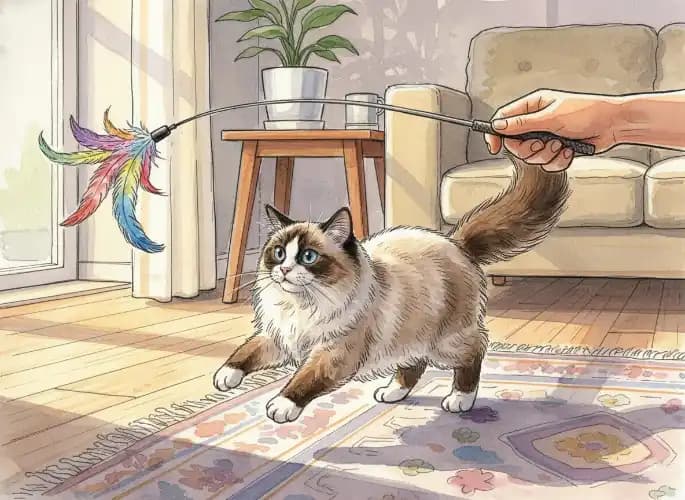
Recovery takes time. Rushing it can set trust back.
- Your cat may avoid you for a while after a scare. Wait for their confidence to return.
- Use high-value treats or a favorite toy to invite them out and reward brave steps.
- Keep feeding and play schedules consistent so the day feels predictable again.
Do's and don'ts
A short checklist based on the steps above:
- Do offer a quiet hideout and leave the cat alone there.
- Do use a soft voice, look away or slow-blink, and wait for approach.
- Do keep routines steady once they start coming back out.
- Don't force interaction or pull them from hiding.
- Don't stare them down or crowd the hideout with people or other pets.
- Don't rush re-engagement with loud play or sudden handling.
A scared cat needs space and quiet support more than cheering or chasing. Respect the hideout, keep the house predictable, and let confidence come back on their timeline.
Founder & Editor
Micky is the founder and editor of NookPetdia, sharing practical cat-care guidance and product-fit advice for everyday cat parents.
Written by Micky. Read our Editorial Policy.
Free Feeding vs Scheduled Feeding: Which Is Better for Your Cat?
Compare free feeding and scheduled meals, including portions, begging, multi-cat homes, and a gradual transition plan.
ComparisonYour Cat Won’t Eat Dry Food? 6 Proven Solutions for Picky Eaters
Learn why cats refuse dry food, how to try gentle feeding changes, and when appetite loss needs veterinary attention.
How ToHow to Stop Your Cat From Shedding (The 3-Month Protocol)
A practical 3-month cat shedding routine: careful Vitamin B cycling, fish oil, daily brushing, and clear supplement safety limits.
How ToHow to Stop Your Dog From Eating Cat Food: A Guide for Multi-Pet Homes
Keep dogs out of cat food with better feeding zones, timing, barriers, and safer multi-pet routines.
How ToHow to Stop Ants and Cockroaches from Stealing Your Cat’s Food
Keep ants and cockroaches away from cat food with safer storage, cleaning, and pest prevention steps.
Why CatsCat Bit a Child: What to Do Now and How to Prevent It Happening Again
If your cat bit or scratched a child, start with wound care, then rebuild safer child-cat rules around supervision, body language, and a cat-only escape space.
Why CatsNew on NookPetdia
Latest articles
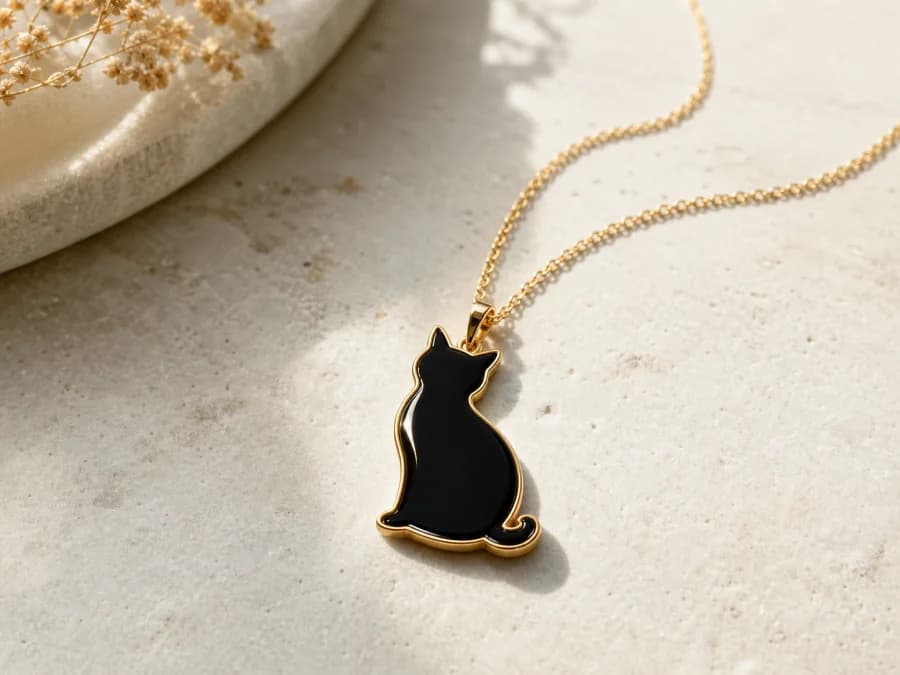
Black Cat Jewelry Guide (Style, Meaning, Gift Timing)
Black cats are the hardest subject to render in a small pendant and the best subject for silhouette work. Here is which styles hold up, what the symbolism actually carries, and the two dates worth planning a gift around.
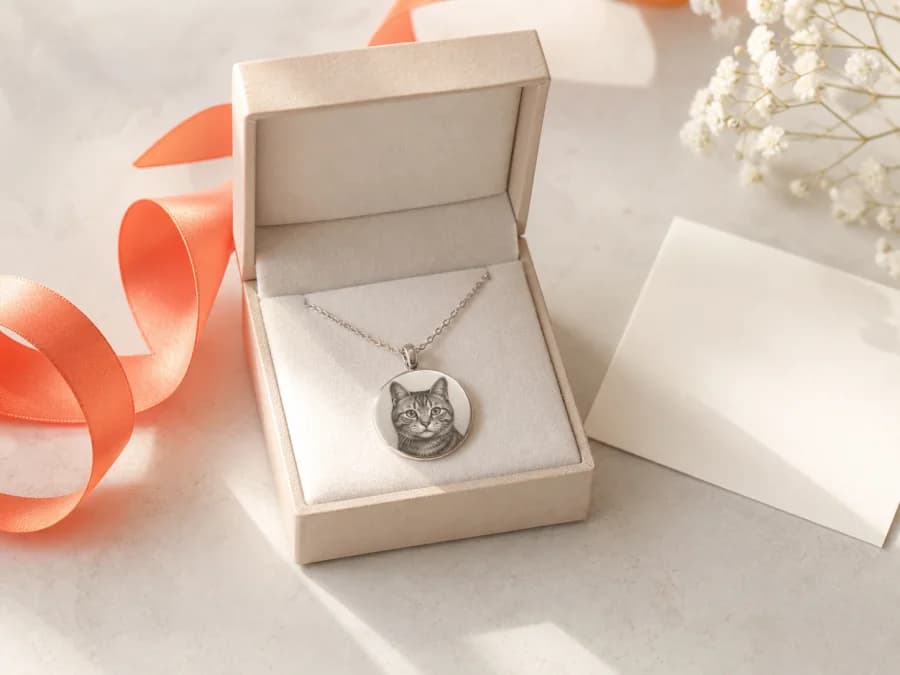
Cat Mom & Cat Dad Gift Ideas That Aren't Cheap Charms
Most cat-themed gifts are novelty items that get used twice. Here is how to buy something a cat parent keeps — including what to confirm about metal, sizing, and timing before you order anything personalized.
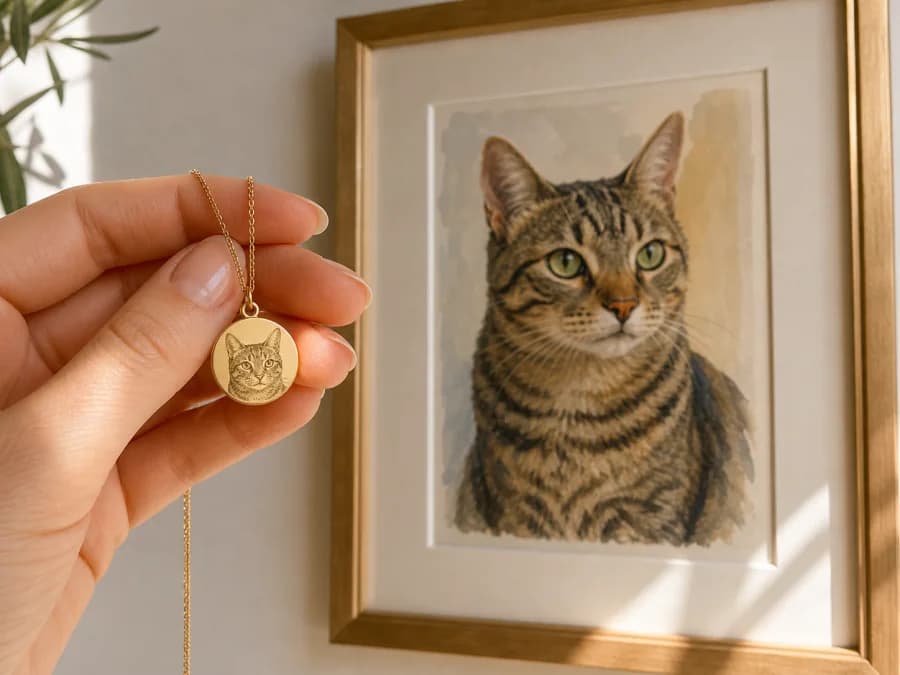
Custom Pet Portrait Jewelry vs Print: What's Worth Buying
Wearable portrait jewelry and framed pet portraits solve different problems. Here is how they compare on likeness, cost, durability, and daily use — and which one to commission first.