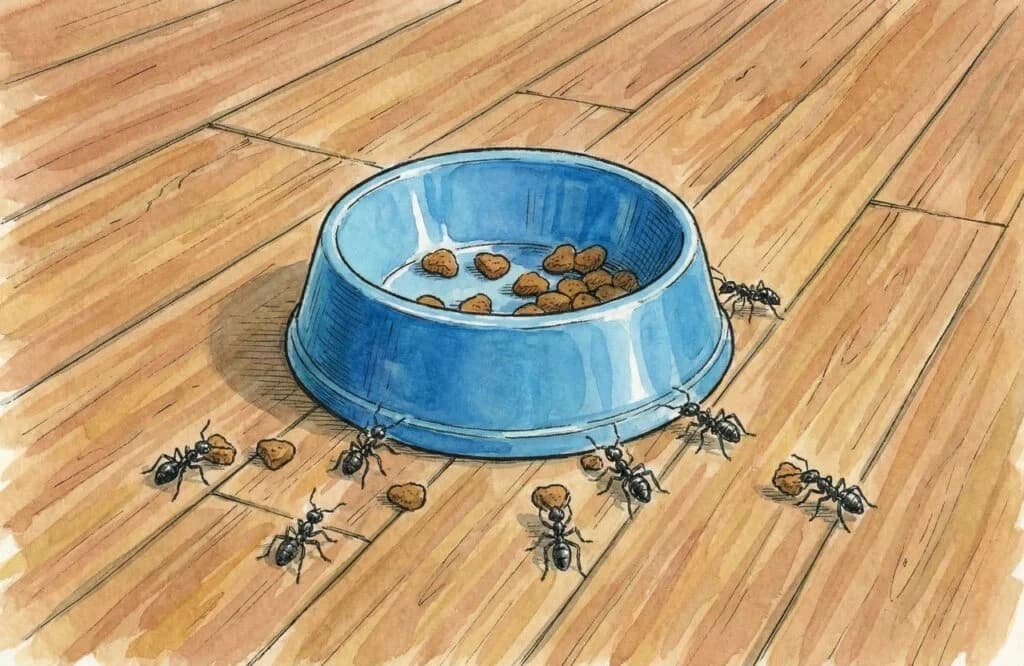
It is a horror story every cat owner knows: you walk into the kitchen to find a trail of ants marching into your cat’s bowl, or worse, a cockroach scurrying away from the kibble.
Food safety note: this guide is about storage and pest prevention, not treating illness after a cat eats questionable food. If your cat vomits repeatedly, has diarrhea, seems weak, refuses food, or may have eaten pesticide, bait, or spoiled food, call your veterinarian or a pet poison helpline promptly.
When you feed your cat, you might be running a buffet for pests if you aren’t careful.
Quick Answer (Overviews):
To keep pests away, you must eliminate the “scent trail.”
- Stop Free-Feeding: Remove wet food after 30 minutes.
- Seal Everything: Store dry food in airtight containers and refrigerate open wet food immediately.
- Hygiene First: Use Ceramic or Stainless Steel bowls (plastic harbors bacteria) and clean the feeding area daily.
- Pet-Safe Repellents: Use non-toxic deterrents around the home, avoiding strong chemicals near the bowl.
1. Why Is Your Cat’s Bowl a “Bug Magnet”?
Pests ignore the crumbs on the floor but swarm the cat bowl because of the ingredients.
- Moisture & Scent: Wet food is the biggest culprit. Its strong aroma and high water content are irresistible to ants and roaches, especially in humid summers.
- The “Fat & Sugar” Trap: Cat food is rich in fats and proteins. To an insect, this is high-energy superfood. Leftovers that sit out create a continuous “scent beacon” calling pests from inside the walls.
2. The Hidden Dangers: Bacteria & Picky Eaters
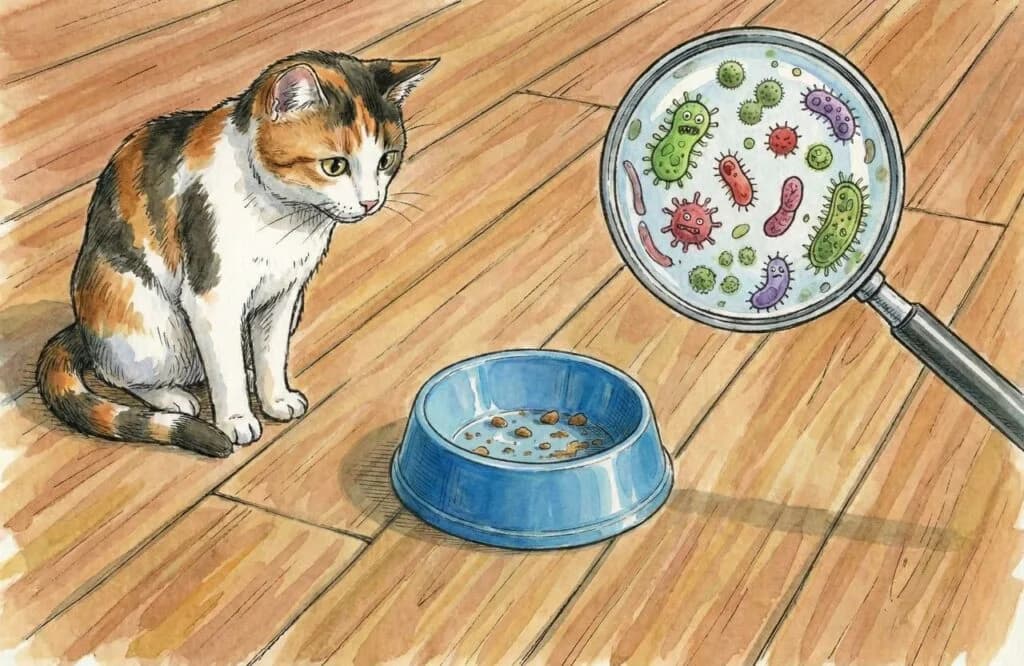
Ignoring a few ants is a mistake. Pest infestation poses risks to your cat’s health.
- Pathogens: Cockroaches and flies carry bacteria like Salmonella and parasites. When pests touch food, they may contaminate it. If your cat develops vomiting, diarrhea, weakness, or appetite changes after eating questionable food, contact your veterinarian.
- Appetite Loss: Cats have sensitive noses. If they smell ants (formic acid) or roach residue, they will feel disgusted and refuse to eat, potentially leading to malnutrition.
3. The 5-Step Defense Strategy
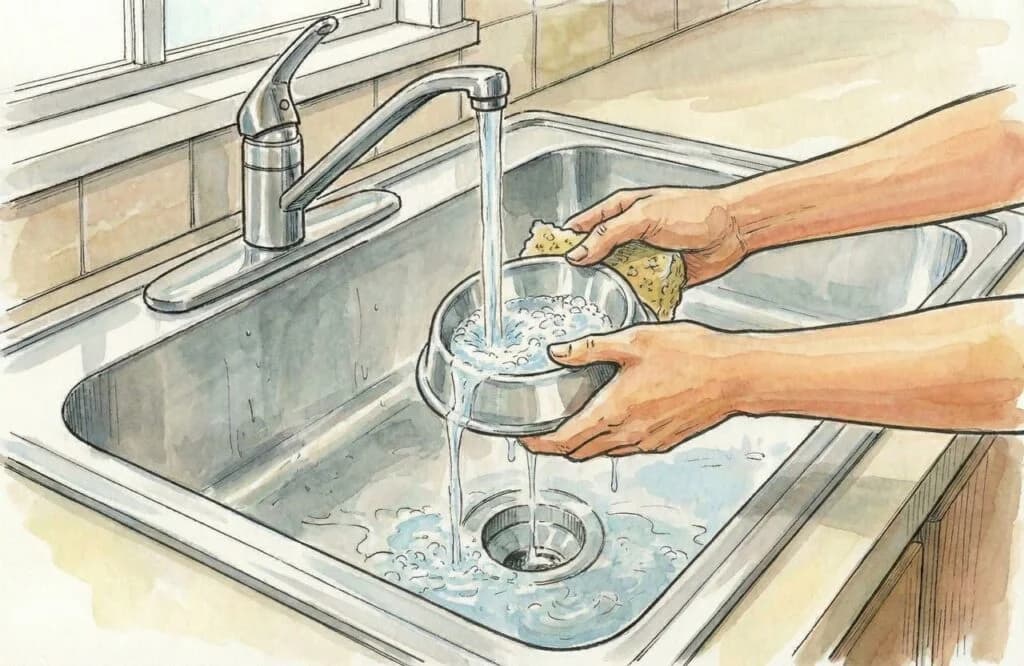
Step 1: The “30-Minute Rule” (No Leftovers)
Stop Free-Feeding. Leaving food out all day is the #1 cause of infestations.
- Action: After serving, give your cat 30 minutes to eat. Then, remove the bowl and clean it. Do not leave wet food sitting out for long periods.
Step 2: Fort Knox Storage
Bugs can chew through paper bags.
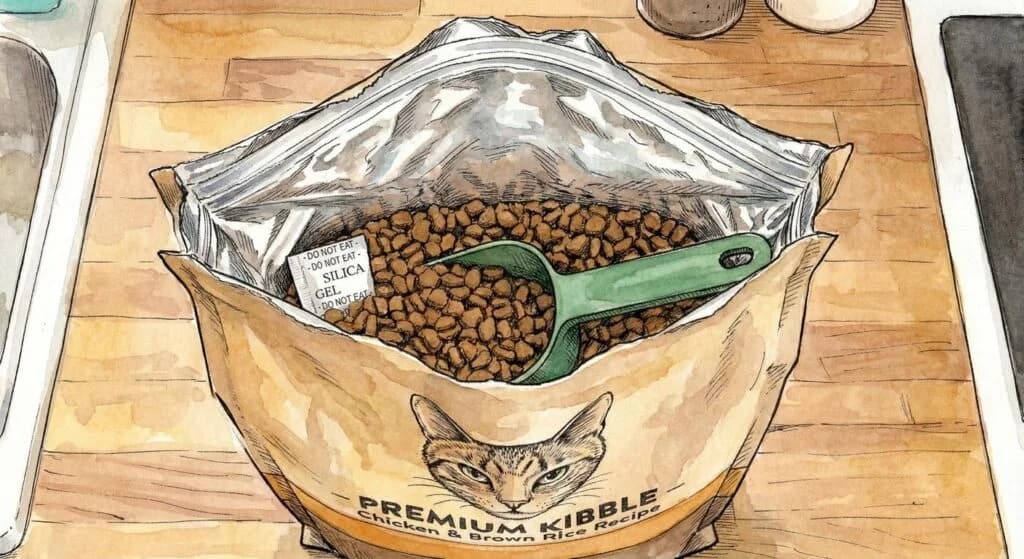
- Seal It: Transfer dry kibble into airtight containers . This locks in the smell and locks out moisture.
- Cover It: Use bowls with lids if your cat is a slow eater to protect food during breaks.
Step 3: Scheduled Feeding
Establish a rhythm (e.g., 8 AM and 6 PM). This minimizes the time food is exposed to the environment and helps with weight control.
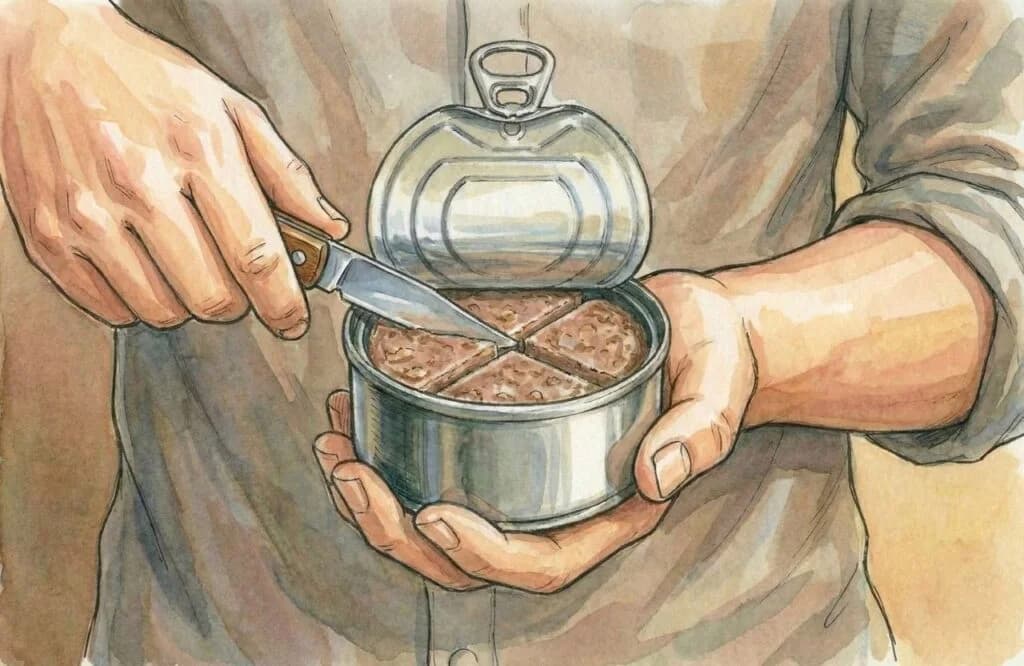
Step 4: Pet-Safe Repellents
If bugs are already there, you need to push them back.
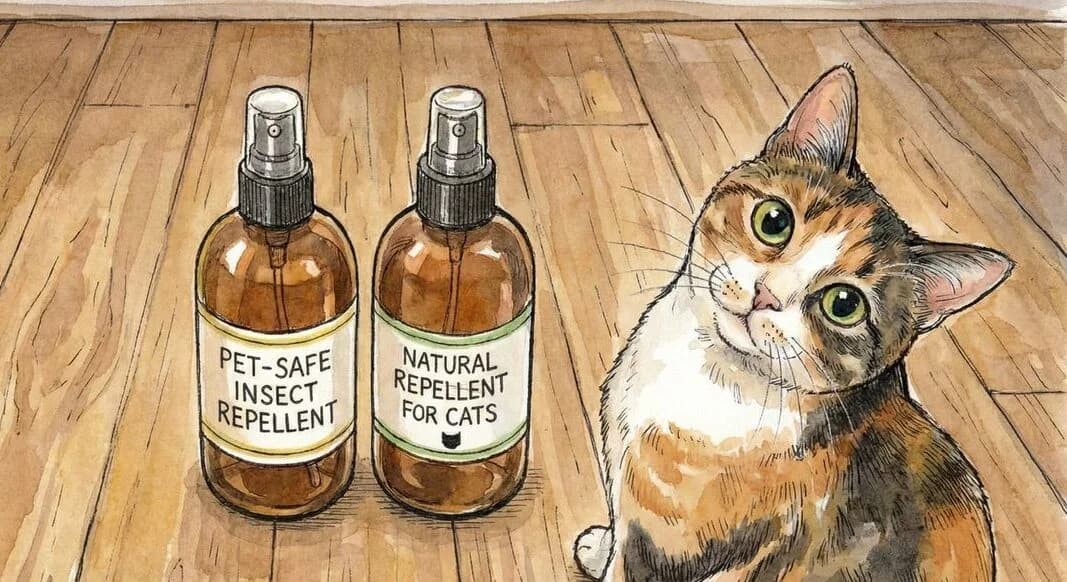
- Safety First: Only use insect repellents labeled as pet-safe . Avoid toxic sprays near the bowl.
- Focus Area: Clean garbage areas and food residue to remove the “attractant” before spraying.
Step 5: Zone Cleaning
Clean the area , not just the bowl. Regularly mop the floor around the feeding station to remove invisible grease and crumbs that attract ants.
4. Advanced Tips: Wet vs. Dry Food Handling
Different foods require different protocols to stay safe.
🥫 Wet Food Best Practices
- Portion Control: Split meals into smaller servings so the cat finishes it in one go, leaving nothing for bugs.
- Refrigerate: Promptly refrigerate or discard unused wet food, and keep refrigerated portions tightly covered.
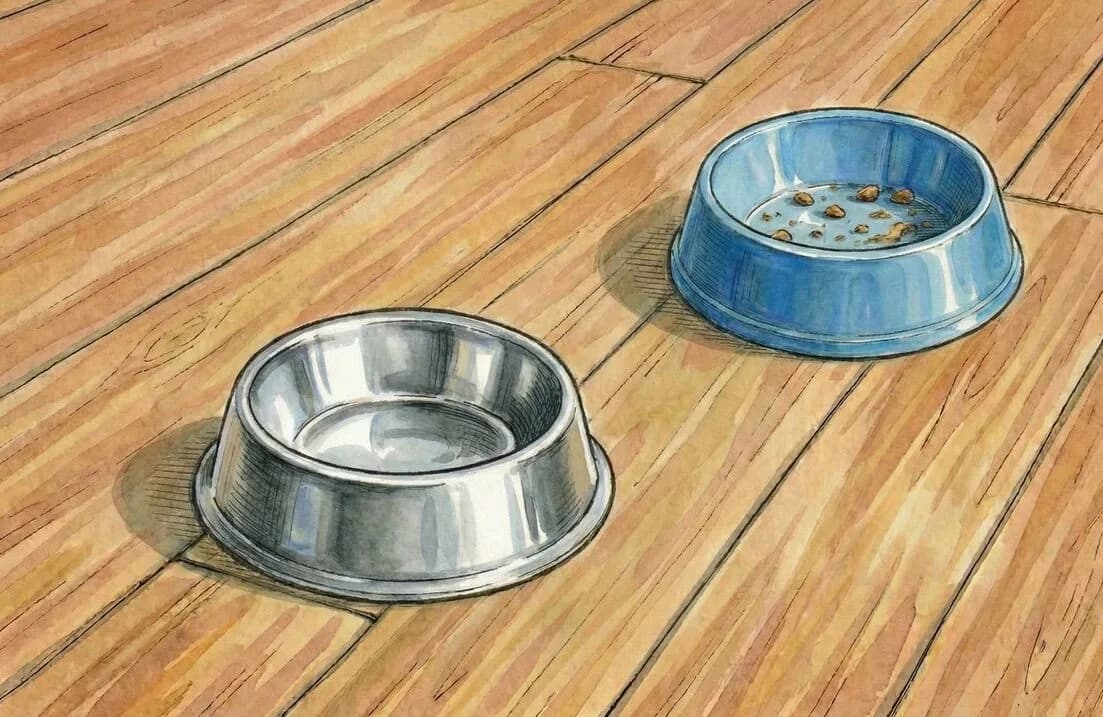
- The Right Bowl: Use Stainless Steel or Ceramic . Why? Plastic bowls develop tiny scratches that harbor bacteria and food smells, which attract pests even after washing.
🍪 Dry Food Storage Hacks
Cool & Dry Storage:
- Avoid Elements: Sunlight and humidity spoil food and attract bugs; always keep the container in a cupboard.
- Seal it Tight: Using a resealable bag or airtight container will help the food last longer.
- Manage Moisture: Add a desiccant packet to keep the kibble dry.
- Monitor: Place a small hygrometer inside to check the humidity status regularly.
- Use a Scoop: Never put your hands inside the bag. Oils and bacteria from your hands can contaminate the food, causing mold or attracting pests.
5. Total Home Hygiene
You cannot solve a pest problem only at the bowl; secure the surrounding area too.
- Seal Cracks: Repair crevices in walls where ants might enter.
- Manage Trash: Take out kitchen trash frequently so pests aren’t drawn into the house in the first place.
The Bottom Line: Pest control is actually “Health Control.” By keeping the bowl clean, using the right containers, and sticking to a schedule, you aren’t just killing bugs—you are protecting your cat’s gut health and happiness.
References
FDA: Tips for Safe Handling of Pet Food and Treats. https://www.fda.gov/animal-veterinary/animal-health-literacy/tips-safe-handling-pet-food-and-treats
CDC: Pet Food Safety. https://www.cdc.gov/healthy-pets/about/pet-food-safety.html
Founder & Editor
Micky is the founder and editor of NookPetdia, sharing practical cat-care guidance and product-fit advice for everyday cat parents.
Written by Micky. Read our Editorial Policy.
Free Feeding vs Scheduled Feeding: Which Is Better for Your Cat?
Compare free feeding and scheduled meals, including portions, begging, multi-cat homes, and a gradual transition plan.
ComparisonHow to Calm a Scared Cat: Five Gentle Steps
Help a scared cat feel safer with quiet cover, soft body language, optional calming aids, and a steady routine.
How ToYour Cat Won’t Eat Dry Food? 6 Proven Solutions for Picky Eaters
Learn why cats refuse dry food, how to try gentle feeding changes, and when appetite loss needs veterinary attention.
How ToHow to Stop Your Cat From Shedding (The 3-Month Protocol)
A practical 3-month cat shedding routine: careful Vitamin B cycling, fish oil, daily brushing, and clear supplement safety limits.
How ToHow to Stop Your Dog From Eating Cat Food: A Guide for Multi-Pet Homes
Keep dogs out of cat food with better feeding zones, timing, barriers, and safer multi-pet routines.
How ToCat Bit a Child: What to Do Now and How to Prevent It Happening Again
If your cat bit or scratched a child, start with wound care, then rebuild safer child-cat rules around supervision, body language, and a cat-only escape space.
Why CatsNew on NookPetdia
Latest articles
Black Cat Jewelry Guide (Style, Meaning, Gift Timing)
Black cats are the hardest subject to render in a small pendant and the best subject for silhouette work. Here is which styles hold up, what the symbolism actually carries, and the two dates worth planning a gift around.
Cat Mom & Cat Dad Gift Ideas That Aren't Cheap Charms
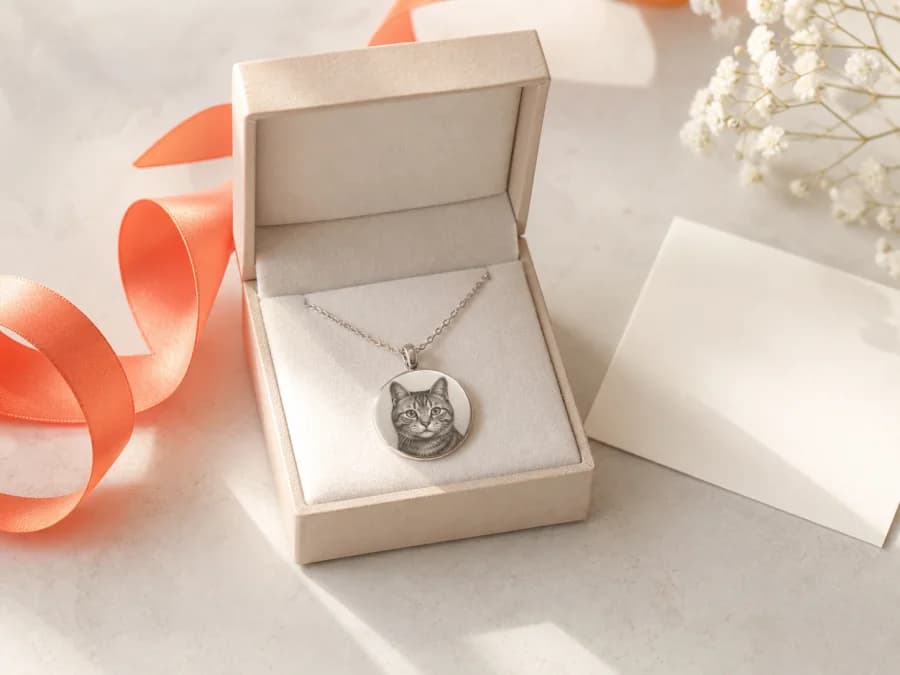
Most cat-themed gifts are novelty items that get used twice. Here is how to buy something a cat parent keeps — including what to confirm about metal, sizing, and timing before you order anything personalized.
Custom Pet Portrait Jewelry vs Print: What's Worth Buying
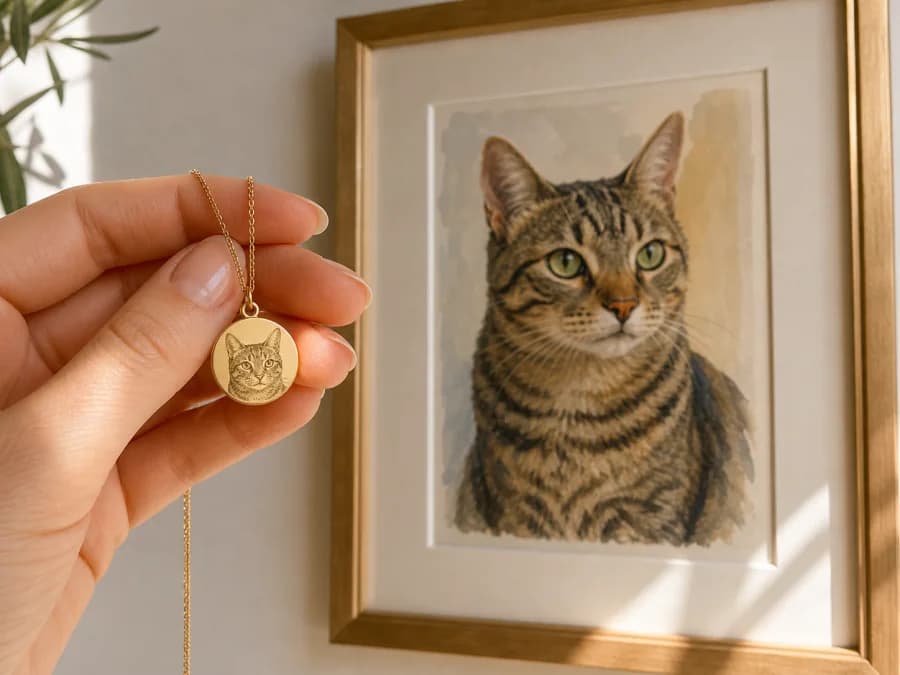
Wearable portrait jewelry and framed pet portraits solve different problems. Here is how they compare on likeness, cost, durability, and daily use — and which one to commission first.