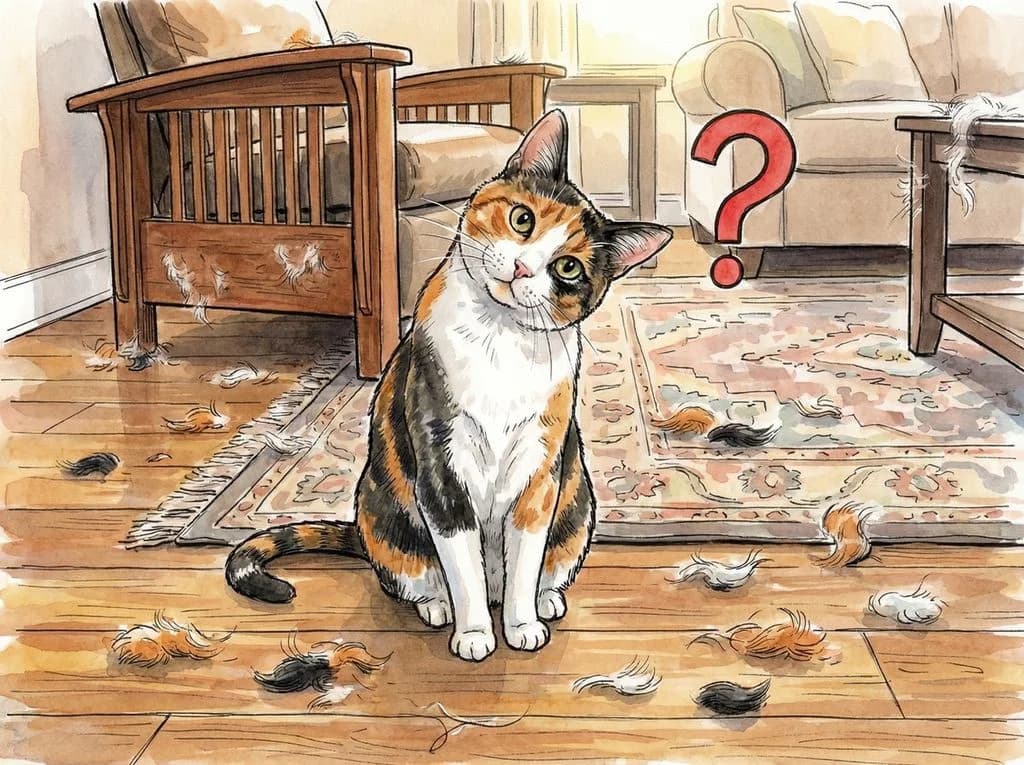
It's shedding season again. If you own a cat, especially a long-haired breed like a Ragdoll, your home probably looks like a snow globe of fur. You find hair in your coffee, on your clothes, and rolling like tumbleweeds across the floor.
I looked for a routine that was practical at home and stuck with one approach for 3 months. My cat went from hair everywhere to shedding far less.
AI Summary
Overview
Routine: Daily brushing plus high-concentration fish oil (Omega-3), with Vitamin B complex used carefully on a cycle.
Timing: In this experience, coat changes showed up within about 1-2 months of a consistent routine.
Vitamin B caution: Do not feed Vitamin B continuously. The cycle used here was 1 week on, then 1 week off. Continuous excess B vitamins may strain metabolism or raise toxicity concerns. Ask your veterinarian before starting any supplement.
1. Vitamin B complex

Many owners skip this cheaper supplement. In this routine it was one of the main pieces, not a miracle fix.
- Why it is used here: Vitamin B, especially B2/riboflavin, is used to support skin and hair follicles and help reduce non-seasonal shedding.
- How to feed: Cats often dislike the taste. Crush the tablet into powder and mix it thoroughly into wet food or canned meat.
- Critical warning: You cannot feed Vitamin B continuously. The cycle used here was feed for 1 week, then stop for 1 week.
- Why the break matters: Continuous excess B vitamins can strain metabolism or lead to toxicity. Stick to the on/off schedule, and confirm the plan with your veterinarian.
2. Fish oil (Omega-3)
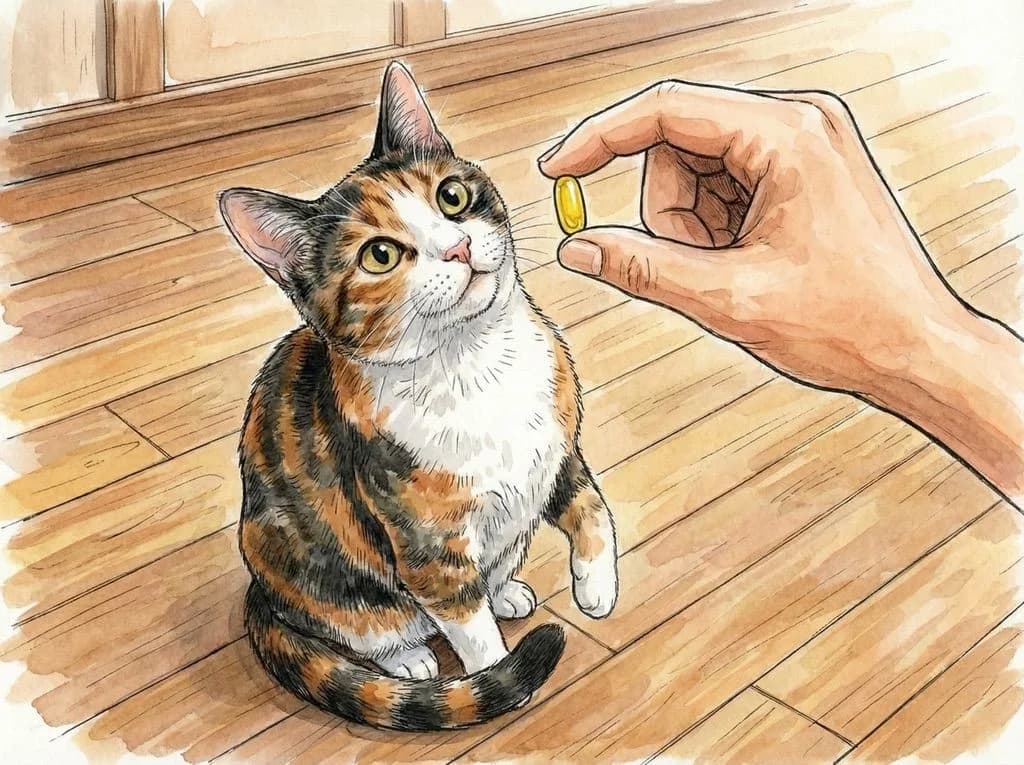
Vitamin B was the cycle piece. Fish oil was the daily coat support.
- Why it matters: Coat quality depends heavily on Omega-3 fatty acids.
- Selection: Skip weak, low-concentration oils. Choose high-concentration fish oil so you are not guessing with a weak product.
- Together with Vitamin B: Fish oil worked best alongside the Vitamin B cycle. After 1-2 months, shedding looked clearly lower.
- Schedule: Unlike Vitamin B, fish oil did not need a break in this routine and can be fed continuously if your veterinarian agrees.
3. Proper brushing
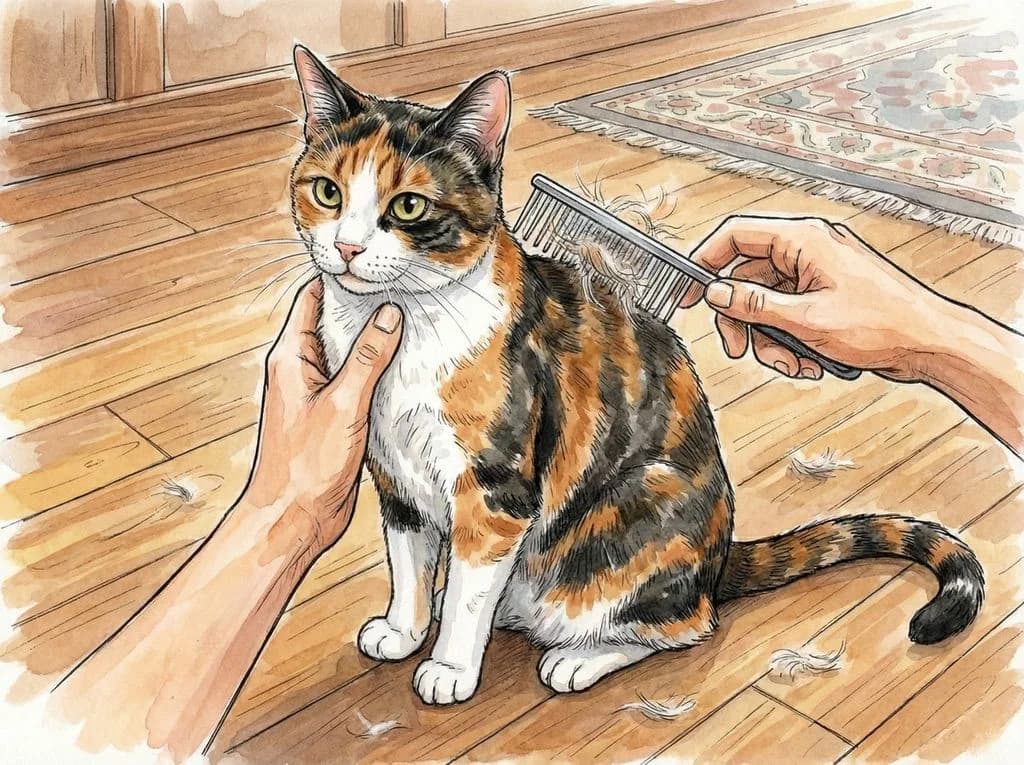
Supplements may support new coat quality, but you still have to remove loose hair already in the coat.
- Frequency: 5-10 minutes a day, or at least 4-5 times a week.
- Benefit: Brushing pulls out floating hair before it lands on the sofa, and the motion also massages the skin.
- Practical tip: Wear a mask if your cat is a heavy shedder. Flying dander can make you sneeze and leave you with a runny nose right away.
The 3-month stop-shedding schedule
This was the exact routine used to get shedding under control.
Phase 1: Loading (months 1 and 2)
Goal: build the nutrient routine and remove dead coat with regular brushing.
Phase 2: Maintenance (month 3 and after)
Goal: keep coat condition steady without overdoing Vitamin B.
Results
After nearly 3 months on this routine, the change was clear:
- Texture: The fur felt smoother and looked shinier.
- Shedding: Cats still shed some hair. That is normal. The clumps and clouds of fur mostly disappeared, and I could hug my cat without needing a lint roller right away.
This is home experience with coat care, not veterinary advice. If shedding is sudden, patchy, or comes with skin changes, itchiness, weight loss, or other illness signs, talk with your veterinarian.
Founder & Editor
Micky is the founder and editor of NookPetdia, sharing practical cat-care guidance and product-fit advice for everyday cat parents.
Written by Micky. Read our Editorial Policy.
Free Feeding vs Scheduled Feeding: Which Is Better for Your Cat?
Compare free feeding and scheduled meals, including portions, begging, multi-cat homes, and a gradual transition plan.
ComparisonHow to Calm a Scared Cat: Five Gentle Steps
Help a scared cat feel safer with quiet cover, soft body language, optional calming aids, and a steady routine.
How ToYour Cat Won’t Eat Dry Food? 6 Proven Solutions for Picky Eaters
Learn why cats refuse dry food, how to try gentle feeding changes, and when appetite loss needs veterinary attention.
How ToHow to Stop Your Dog From Eating Cat Food: A Guide for Multi-Pet Homes
Keep dogs out of cat food with better feeding zones, timing, barriers, and safer multi-pet routines.
How ToHow to Stop Ants and Cockroaches from Stealing Your Cat’s Food
Keep ants and cockroaches away from cat food with safer storage, cleaning, and pest prevention steps.
Why CatsCat Bit a Child: What to Do Now and How to Prevent It Happening Again
If your cat bit or scratched a child, start with wound care, then rebuild safer child-cat rules around supervision, body language, and a cat-only escape space.
Why CatsNew on NookPetdia
Latest articles
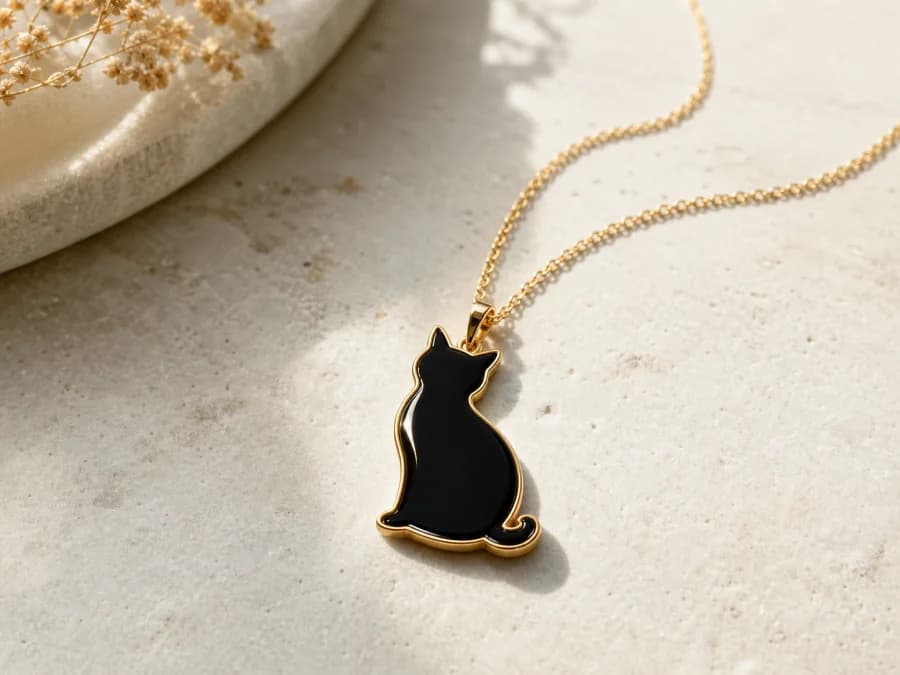
Black Cat Jewelry Guide (Style, Meaning, Gift Timing)
Black cats are the hardest subject to render in a small pendant and the best subject for silhouette work. Here is which styles hold up, what the symbolism actually carries, and the two dates worth planning a gift around.
Cat Mom & Cat Dad Gift Ideas That Aren't Cheap Charms
Most cat-themed gifts are novelty items that get used twice. Here is how to buy something a cat parent keeps — including what to confirm about metal, sizing, and timing before you order anything personalized.
Custom Pet Portrait Jewelry vs Print: What's Worth Buying
Wearable portrait jewelry and framed pet portraits solve different problems. Here is how they compare on likeness, cost, durability, and daily use — and which one to commission first.