A full bowl looks simple, but it does not tell you whether your cat is eating the right amount. A strict meal schedule is not automatically better, either. Some cats pace themselves. Others finish whatever is available, steal from a housemate, or start crying long before the next meal.
The useful question is not which method wins. It is which routine gives your cat enough food, keeps their body condition steady, and makes changes in appetite easy to notice.
AI Summary
Quick summary
Best fit: The better routine is the one that keeps your cat at a healthy body condition and lets you tell how much they are eating.
Free feeding: It can work for a cat who self-regulates, but the daily amount should still be measured rather than topped up without a limit.
Scheduled meals: Portioned meals make intake easier to track and often work better for weight control, wet food, and multi-cat homes.
Changing routines: Switch gradually, watch weight and appetite, and ask your veterinarian for a plan if your cat is a kitten, a senior, underweight, overweight, or managing a medical condition.
Free feeding: convenient, but not truly hands-off
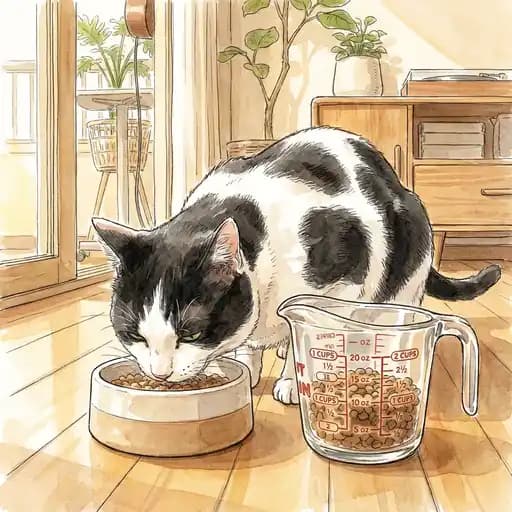
Free feeding means food stays available for much of the day, usually dry food. It suits some healthy cats who nibble and walk away. It can also fit an unpredictable household schedule.
The common mistake is treating free feeding as unlimited feeding. If you keep topping up the bowl, you may not know how much your cat eats in a day. Owner research we reviewed included many stories of cats gaining weight gradually while the family assumed they were only taking small bites.
A more controlled version is to measure one day's dry food in the morning and stop when that amount is gone. This keeps access flexible without turning the bowl into an endless refill. You still need to account for treats and wet food.
Free feeding becomes harder to manage when a cat eats quickly, needs weight control, takes a therapeutic diet, or lives with another cat who guards the bowl. It also makes an appetite change less obvious because you may see food in the dish without knowing which cat ate it or when.
Scheduled meals: clearer portions, more routine
Scheduled feeding divides the daily amount into set servings. The schedule may be two larger meals, several smaller meals, or measured portions from an automatic feeder. There is no single meal count that fits every cat.
The main advantage is visibility. You can see whether your cat finishes a usual portion, leaves food behind, or starts eating faster than normal. It is also easier to give different foods to different cats and to keep one cat from finishing everyone's dinner.
The tradeoff is that cats learn the clock quickly. In owner reports, early-morning crying, pacing near the bowl, and dramatic staring were common after a switch from all-day access. That behavior does not always mean the cat needs more food, but it should not be dismissed automatically. Check the total daily amount, recent weight, stool, vomiting, activity, and whether another pet is taking food.
If long gaps seem to make your cat rush and vomit, ask your veterinarian whether the same daily amount should be split into smaller portions. More meals are not automatically better, though. Our research also included cats whose vomiting became worse when feeders dispensed tiny portions too often. The pattern needs to fit the individual cat.
What about kittens and senior cats?

Kittens usually need more frequent access to food than healthy adults because they are growing and have smaller stomachs. Senior cats are not one group with one schedule. Some maintain their usual routine, while others need adjustments because of appetite, dental comfort, body condition, or a diagnosed illness.
This is why fixed rules such as 'all kittens should free feed' or 'all senior cats should eat one or two meals' are too blunt. Use a complete diet made for the cat's life stage, follow the food's calorie information, and ask your veterinarian to help set the daily amount when growth, weight change, pregnancy, or illness is involved.
Summary table: free feeding vs scheduled feeding
| What to compare | Free feeding | Scheduled meals |
|---|---|---|
| Weight control | Easy to overpour or top up without noticing. It can work when the full daily amount is measured. | Daily portions are easier to set and adjust. |
| Knowing how much your cat ate | Harder when food stays in the bowl all day. | Leftovers and skipped meals are easier to spot. |
| Food freshness | Dry food may sit out for long periods. Wet food is a poor fit for all-day access. | Each serving can be offered fresh and leftovers can be removed. |
| Begging | Some cats beg less when food is always available, while others keep checking the bowl. | Clock-based crying can increase during a transition, especially if meals are too small or far apart. |
| Convenience | Simple for the owner, but measuring and bowl care still matter. | Requires a routine, a reliable feeder, or another person when you are away. |
| Multi-cat homes | One cat may eat more while a quieter cat gets less. | Separate rooms or feeding stations make each cat's share easier to protect. |
| Monitoring health | A gradual drop in appetite can be easy to miss. | A cat leaving a usual meal is more noticeable. |
| Transition effort | No schedule to teach, but intake can be vague. | Many cats need a gradual change and may protest before they learn the new pattern. |
Whichever method you use, measure the total daily food and review your cat's weight and body condition regularly.
How to choose for your cat
Start with what you can observe rather than what sounds most natural online.
- Choose measured free feeding only if you can track the full daily amount and your cat maintains a healthy body condition.
- Choose scheduled portions when you need clearer intake records, weight control, wet food meals, medication timing, or separate diets.
- Use a hybrid routine if it solves a real household problem, such as timed wet meals plus a measured dry-food portion. Count both toward the daily total.
- Reassess the plan when your cat's age, activity, weight, household, or health changes.
Use both the scale and a body condition check. Cornell's body condition guidance describes an ideal cat as well proportioned, with a visible waist behind the ribs and ribs that are easy to feel under a slight fat covering. If you are unsure what you are feeling, ask your veterinary team to show you at the next visit.
Moving from free feeding to scheduled meals
An abrupt empty bowl can make some cats anxious and can leave the owner unsure whether the new portions are adequate. Many owners in our research found that a gradual change over about a week or two was easier than switching overnight.
- Measure how much food disappears on a normal day before changing the routine.
- Set the daily amount from the food label and your veterinarian's guidance, not from a generic gram chart online.
- Divide that amount into meals that fit your household and your cat's eating pace.
- Reduce the food left between meals gradually while keeping meal times predictable.
- Track weight, leftovers, vomiting, stool changes, and behavior during the transition.
Do not use hunger as a training tool, and do not sharply restrict an overweight cat without veterinary guidance. If your cat repeatedly skips meals, loses weight, or seems unwell, stop treating it as a behavior problem and contact a veterinarian.
When your cat begs between meals
First confirm that the planned daily amount is appropriate and that every household member is following the same plan. In multi-cat homes, watch at least a few meals from start to finish. A cat who looks greedy may be eating quickly because another cat approaches, while the quieter cat may be losing access without an obvious fight.
If intake and weight are stable, try play, a food puzzle using part of the measured daily ration, or moving one meal closer to the time when begging is worst. Avoid adding uncounted snacks every time your cat cries, since that quickly makes the written feeding plan meaningless.
Feeding multiple cats without guesswork
A shared bowl can hide two problems at once: one cat gains weight while another eats too little. Feed cats in separate rooms or at stations far enough apart that they do not have to watch each other. Keep the setup consistent, supervise when needed, and pick up bowls after the meal if food stealing is a problem.
Automatic or identification-based feeders can help, but they are not a substitute for checking the equipment. Make sure portions dispense correctly, food stays clean and dry, and a determined cat cannot raid another cat's serving.
When appetite changes need veterinary attention
A sudden drop in appetite matters more than whether you use free feeding or scheduled meals. Contact your veterinarian promptly if your cat refuses food, is losing weight, vomits repeatedly, seems weak or painful, or has another major change in behavior. Cornell notes that a cat who refuses to eat can develop serious medical problems and should be examined, especially when weight loss is present.
The best feeding routine is the one you can measure and your cat can live with. Keep the daily amount clear, protect each cat's access to food, and change the schedule when the evidence in front of you says it is no longer working.
Related reading
If you will be away, use this home cat-feeding service checklist to leave clear portions and instructions.
If food is attracting pests, see how to keep ants and cockroaches away from cat food without leaving the feeding area dirty or unsafe.
References
WSAVA Nutritional Assessment Guidelines
Founder & Editor
Micky is the founder and editor of NookPetdia, sharing practical cat-care guidance and product-fit advice for everyday cat parents.
Written by Micky. Read our Editorial Policy.
FAQ
Frequently asked questions
How to Calm a Scared Cat: Five Gentle Steps
Help a scared cat feel safer with quiet cover, soft body language, optional calming aids, and a steady routine.
How ToYour Cat Won’t Eat Dry Food? 6 Proven Solutions for Picky Eaters
Learn why cats refuse dry food, how to try gentle feeding changes, and when appetite loss needs veterinary attention.
How ToHow to Stop Your Cat From Shedding (The 3-Month Protocol)
A practical 3-month cat shedding routine: careful Vitamin B cycling, fish oil, daily brushing, and clear supplement safety limits.
How ToHow to Stop Your Dog From Eating Cat Food: A Guide for Multi-Pet Homes
Keep dogs out of cat food with better feeding zones, timing, barriers, and safer multi-pet routines.
How ToHow to Stop Ants and Cockroaches from Stealing Your Cat’s Food
Keep ants and cockroaches away from cat food with safer storage, cleaning, and pest prevention steps.
Why CatsCat Bit a Child: What to Do Now and How to Prevent It Happening Again
If your cat bit or scratched a child, start with wound care, then rebuild safer child-cat rules around supervision, body language, and a cat-only escape space.
Why CatsNew on NookPetdia
Latest articles
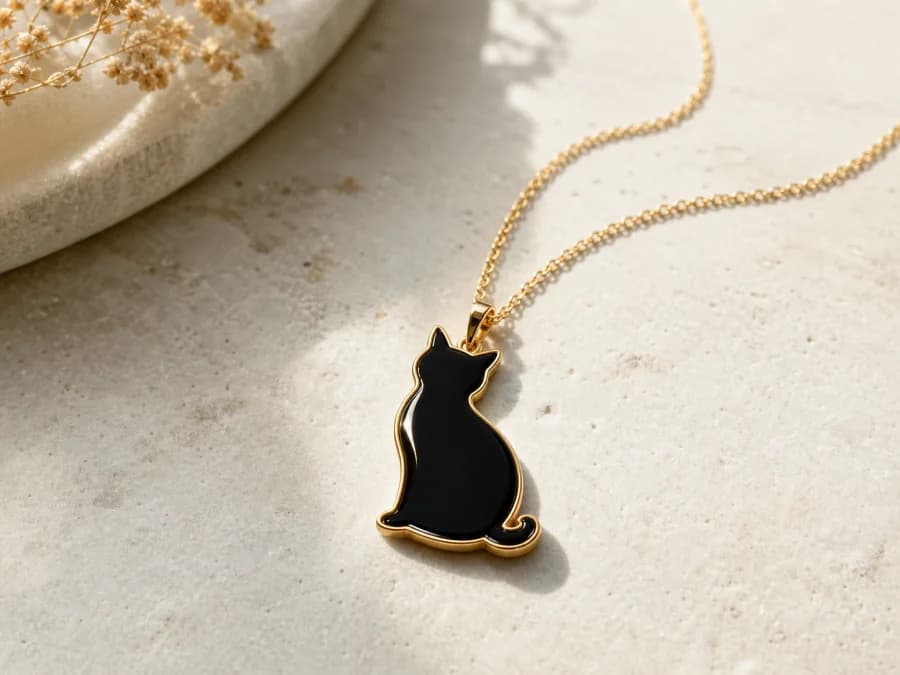
Black Cat Jewelry Guide (Style, Meaning, Gift Timing)
Black cats are the hardest subject to render in a small pendant and the best subject for silhouette work. Here is which styles hold up, what the symbolism actually carries, and the two dates worth planning a gift around.
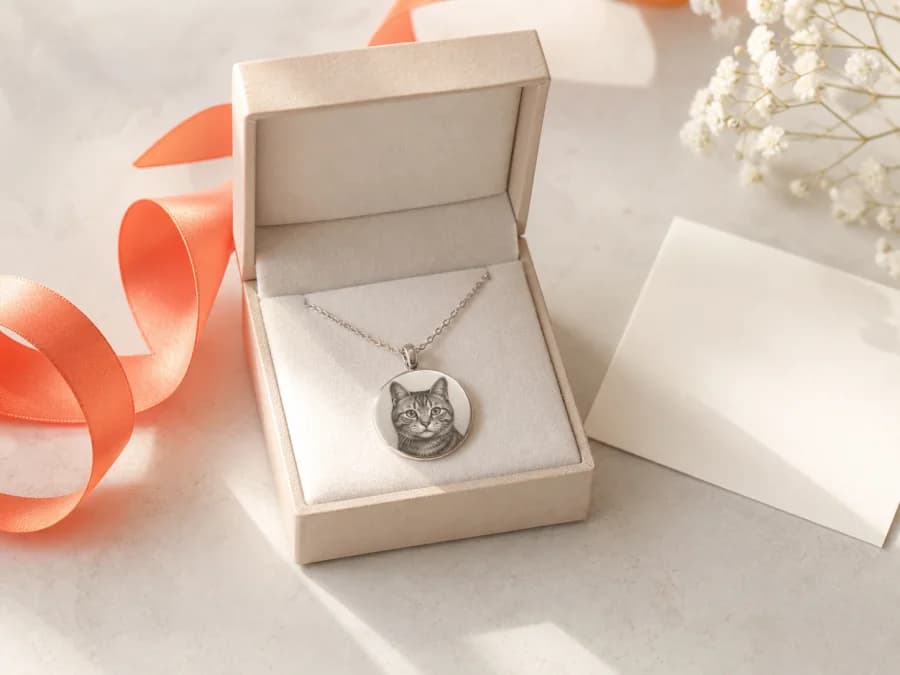
Cat Mom & Cat Dad Gift Ideas That Aren't Cheap Charms
Most cat-themed gifts are novelty items that get used twice. Here is how to buy something a cat parent keeps — including what to confirm about metal, sizing, and timing before you order anything personalized.
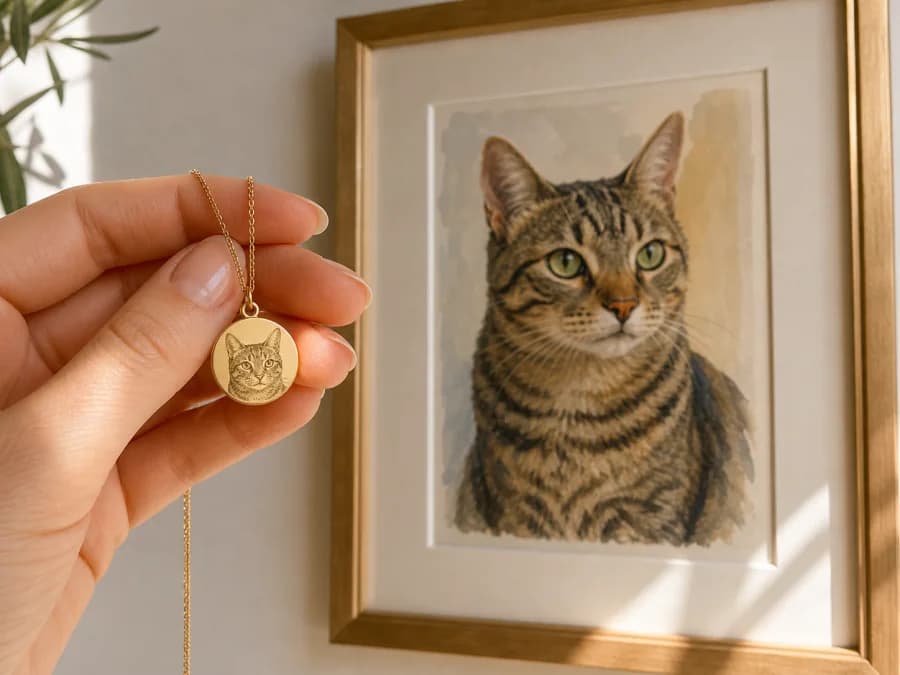
Custom Pet Portrait Jewelry vs Print: What's Worth Buying
Wearable portrait jewelry and framed pet portraits solve different problems. Here is how they compare on likeness, cost, durability, and daily use — and which one to commission first.