Some cats follow like a shadow. Kitchen, hallway, bathroom, desk, couch: wherever you go, the cat relocates.
Our team reviewed recurring cat-owner questions about cats who follow constantly, demand proximity, cry behind doors, or want to be near the owner without being held. The behavior can be sweet, confusing, or exhausting depending on the intensity.
Following is usually normal. The question is whether your cat can also settle when you are unavailable.
AI Summary
Overview
Your cat may follow you everywhere because it likes your company, expects food or play, feels safer near you, is curious about routines, wants access to a room, or is anxious when separated. Relaxed following is usually normal. Distressed following may overlap with clinginess or separation anxiety.
If following is sudden or paired with appetite changes, hiding, pain signs, vocalizing, litter box issues, or confusion, contact your veterinarian.
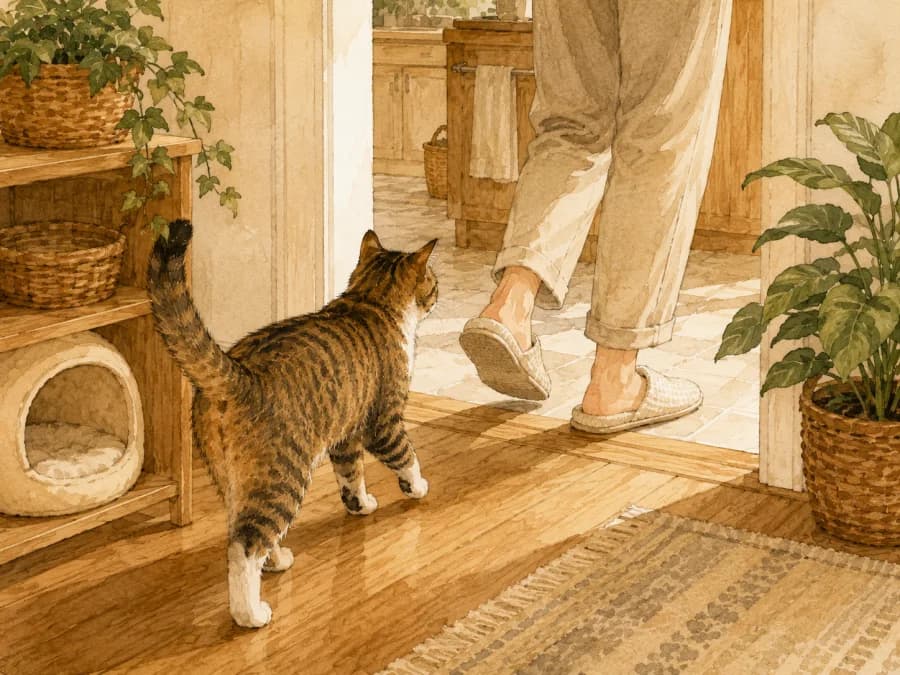
Why Cats Follow Their People
You are predictable
Cats study patterns. You open doors, provide meals, change rooms, sit in warm places, and create interesting movement. Following you may simply be following the household schedule.
Your cat likes proximity
Not every affectionate cat wants to be held. Some want to be near you, not on you. A cat that sits nearby and relaxes may be showing trust.
Your cat expects something
If following leads to food, treats, play, sink water, or a door opening, your cat may follow because it works.
Your cat is checking access
Closed doors are fascinating and frustrating. Bathroom following is common because the room is small, routine-based, and full of owner attention. For that specific behavior, see why cats follow to bathroom reasons.
Your cat is anxious
If following includes crying, pacing, panic at closed doors, or distress when alone, compare it with cat separation anxiety.
In owner research we reviewed, one recurring confusion was the cat who follows constantly but does not want to be picked up. That is not contradictory. Many cats want proximity, not restraint. They want to share the room, monitor the routine, or feel safe nearby while still controlling their body.
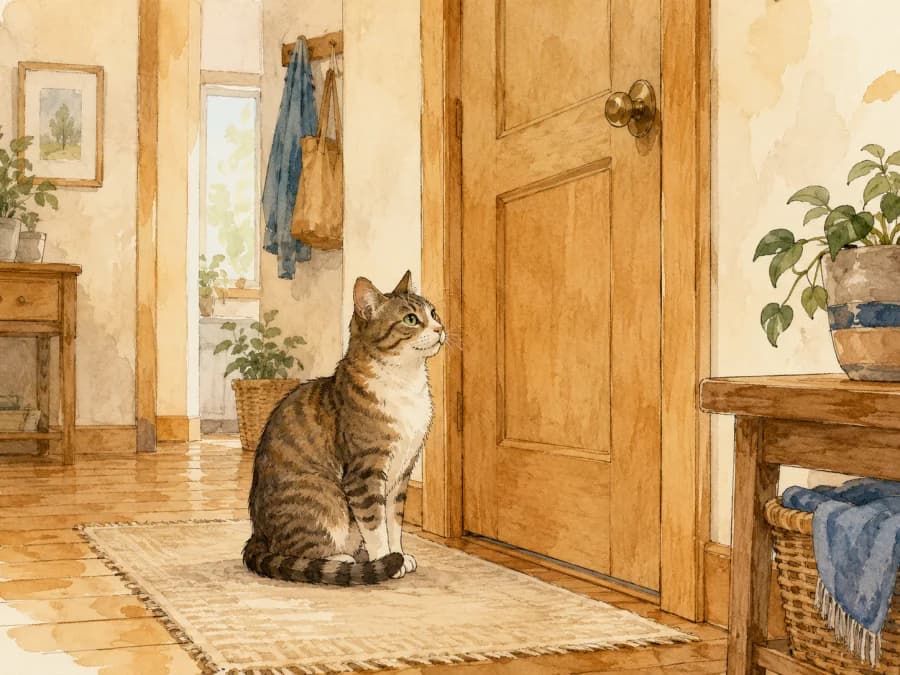
Normal Following vs Separation Distress
| Behavior | Usually normal | More concerning |
|---|---|---|
| Follows quietly | Yes | If sudden and intense |
| Naps near you | Yes | If unable to settle alone at all |
| Cries behind doors | Maybe frustration | Concerning if prolonged or panicked |
| Eats only when you are present | Could be routine | Concerning if intake drops when alone |
| Urinates outside box when alone | No | Vet and behavior help needed |
| Overgrooms when alone | No | Vet and behavior help needed |
Room-by-Room Clues
| Where your cat follows | What it may mean | What to watch |
|---|---|---|
| Kitchen | Food expectation, routine, curiosity | Is the cat calm or demanding? |
| Bathroom | Small room, closed-door frustration, attention | Does the cat panic or simply wait? |
| Desk or sofa | Proximity and predictable resting spot | Can the cat settle on a nearby perch? |
| Bedroom door | Access habit or separation frustration | Is night meowing part of the pattern? |
| Entry door | Departure cue sensitivity | Does the cat become distressed when you leave? |
These clues do not prove a single cause. They help you choose the next article path: routine, enrichment, clinginess, or separation distress.
One thing this article does not need is a mystical explanation. Cats have excellent hearing, smell, pattern memory, and sensitivity to movement. That is enough to explain a lot of "how did my cat know?" moments without claiming cats are reading hidden energy. Keep the article grounded in behavior the owner can actually observe and act on.
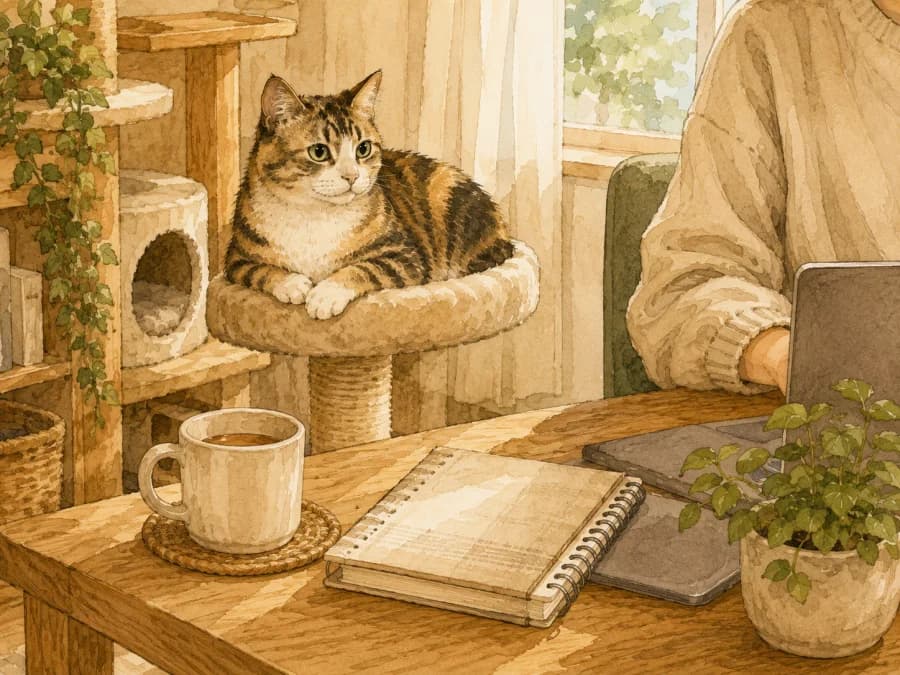
How to Help Without Rejecting Your Cat
You do not need to make your cat independent by being cold. Instead, teach calm closeness and calm distance.
Try:
- A perch near your workspace.
- A routine play session before your busiest time.
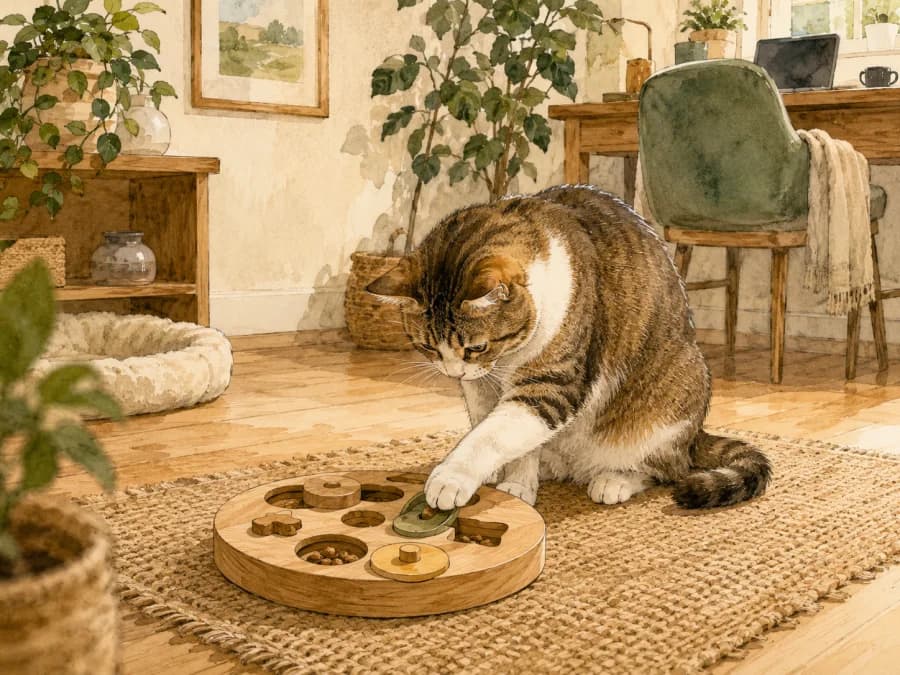
- Puzzle feeders away from your chair.
- A cozy bed in rooms where you spend time.
- Calm door practice for a few seconds at a time.
- Rewarding quiet settling instead of loud demands.
For cats who are clingy in a way that drains the household, read why is my cat so clingy.
If your cat follows because every room change becomes a treat, sink-water session, or play session, change the pattern gently. Offer those things at planned times, then reward quiet settling nearby. The goal is not to reject the cat. The goal is to stop making every step you take a cue for action.
For a cat who wants closeness but not touch, build "nearby stations": a chair beside your desk, a window perch in the kitchen, a bed near the couch. That gives the cat a job that does not require sitting on your keyboard, yelling at the bathroom door, or turning every movement into a chase.
When Following Needs a Vet Check
Call your veterinarian if following is new and comes with:
- Appetite or thirst changes.
- Weight loss.
- Hiding.
- Weakness.
- Pain signs.
- Litter box changes.
- Confusion or disorientation.
- Sudden aggression.
Behavior changes can be the first visible clue that something else is wrong.
References
International Cat Care: Stress in cats
Animal Behavior & Care Writer
Rachel has a background in zoology and animal care volunteering. She writes about cat behavior, enrichment, and the relationship between cats and their everyday environment.
Written by Rachel Breen. Read our Editorial Policy.
FAQ
Frequently asked questions
New on NookPetdia
Latest articles
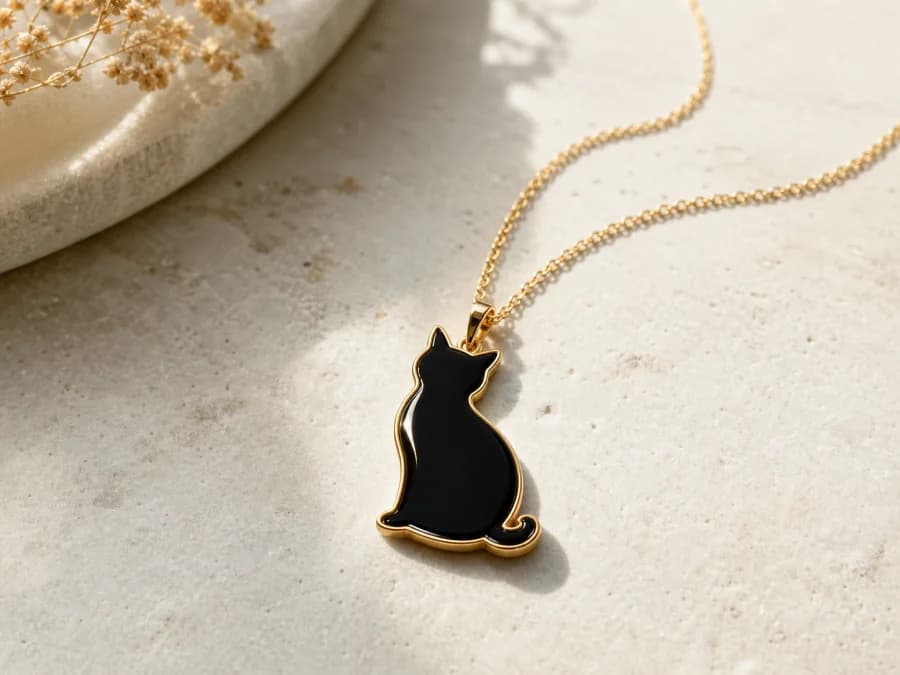
Black Cat Jewelry Guide (Style, Meaning, Gift Timing)
Black cats are the hardest subject to render in a small pendant and the best subject for silhouette work. Here is which styles hold up, what the symbolism actually carries, and the two dates worth planning a gift around.
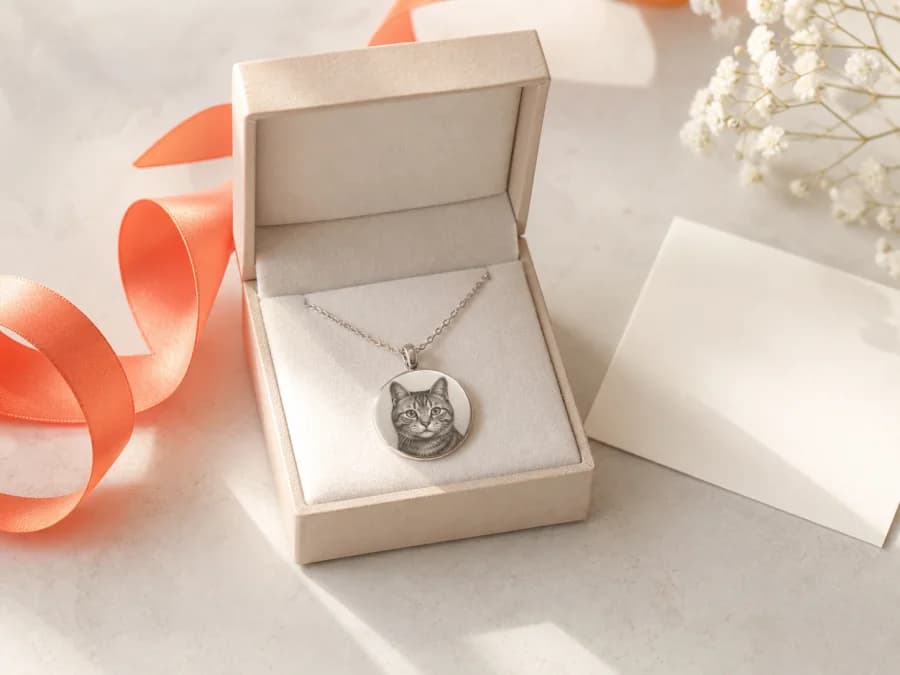
Cat Mom & Cat Dad Gift Ideas That Aren't Cheap Charms
Most cat-themed gifts are novelty items that get used twice. Here is how to buy something a cat parent keeps — including what to confirm about metal, sizing, and timing before you order anything personalized.
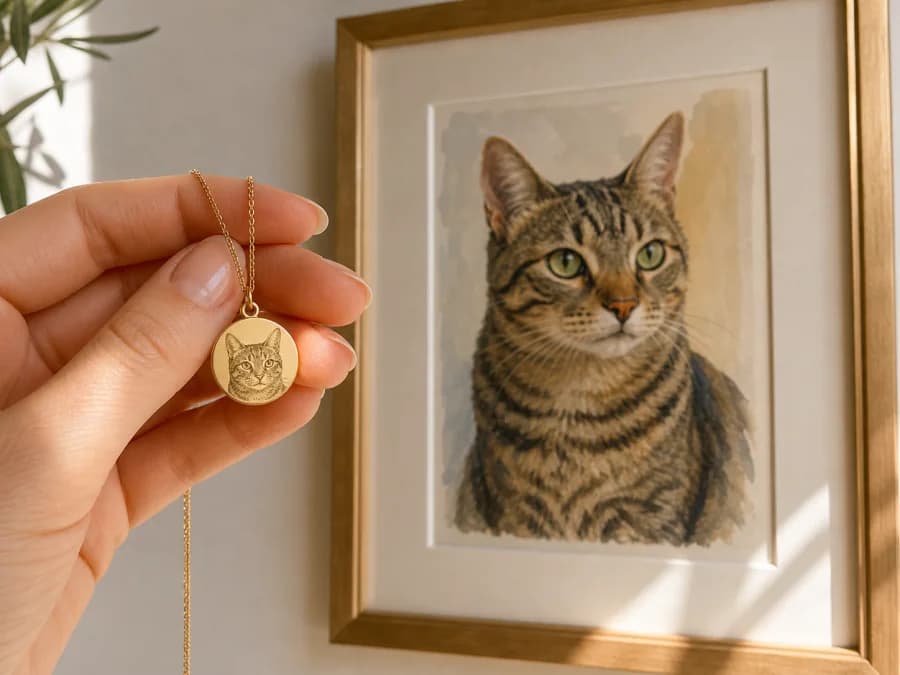
Custom Pet Portrait Jewelry vs Print: What's Worth Buying
Wearable portrait jewelry and framed pet portraits solve different problems. Here is how they compare on likeness, cost, durability, and daily use — and which one to commission first.