A clingy cat can feel adorable at first. Then your cat starts sitting on your lap while you eat, crying when you close a door, following you between rooms, or demanding attention when you need to sleep.
Our team reviewed recurring cat-owner questions about clingy cats, separation anxiety, night crying, and cats that seem unable to relax unless their person is nearby. The pattern was not "cats are needy." It was more specific: owners wanted to know whether the behavior meant love, boredom, stress, illness, or a routine they accidentally trained.
The answer can be any of those.
AI Summary
Overview
Your cat may be clingy because it feels bonded to you, wants predictable attention, is bored, is anxious when separated, has learned that vocalizing works, or is reacting to a recent change. Sudden clinginess can also happen when a cat is not feeling well.
Normal clinginess usually comes with relaxed body language and the ability to settle. More concerning clinginess may include panic when alone, litter box changes, overgrooming, appetite changes, aggression, night crying, or a sudden behavior shift.
If clinginess is new, intense, or paired with health changes, ask your veterinarian before treating it as a training problem.

Common Reasons Cats Become Clingy
Your cat is securely attached
Some cats simply like being near their person. They nap nearby, follow quietly, touch you with a paw, or sit close without demanding constant action. This is usually not a problem if the cat can also rest alone.
Your cat is bored
Indoor cats need predictable play, climbing, scratching, watching, hunting-style games, and food routines. A bored cat may turn you into the entire entertainment system.
Your cat learned that persistence works
If meowing gets food, lap time, door opening, or play every time, your cat may repeat the pattern. This is not spite. It is learning.
Your cat is anxious when separated
Some cats show distress when the owner leaves or becomes inaccessible. That can overlap with cat separation anxiety, especially if the cat cries, overgrooms, destroys things, or eliminates outside the box when alone.
Something changed
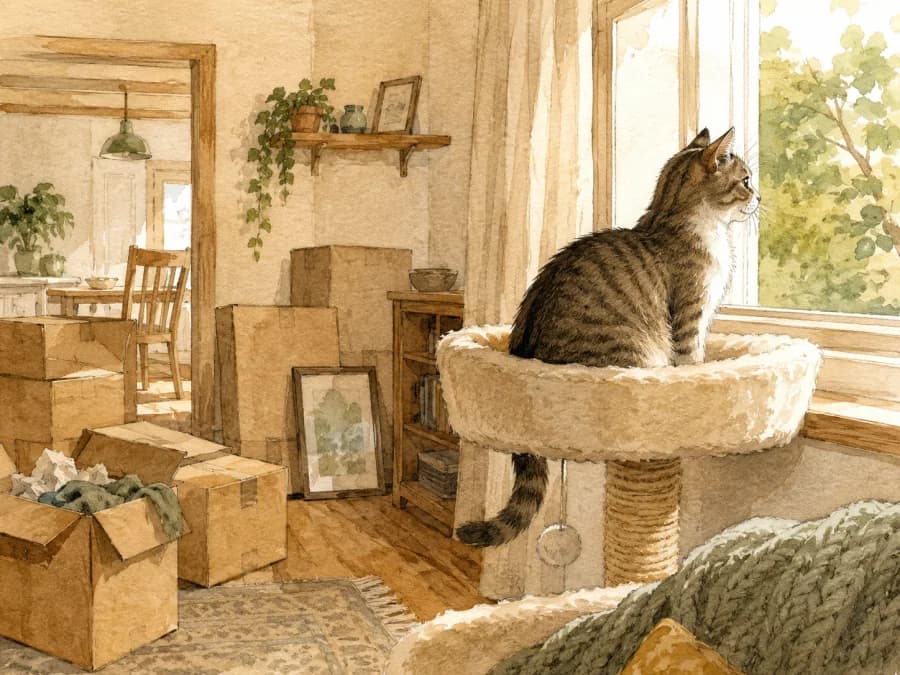
Moves, new work hours, a new baby, a new pet, visitors, construction noise, or a recent boarding stay can all make a cat seek more reassurance.
In owner research we reviewed, the most useful detail was not simply "my cat is clingy." It was what changed around the same time. A cat who has always followed you from room to room is a different puzzle from a cat who suddenly cannot settle, cries at closed doors, and stops eating normally.
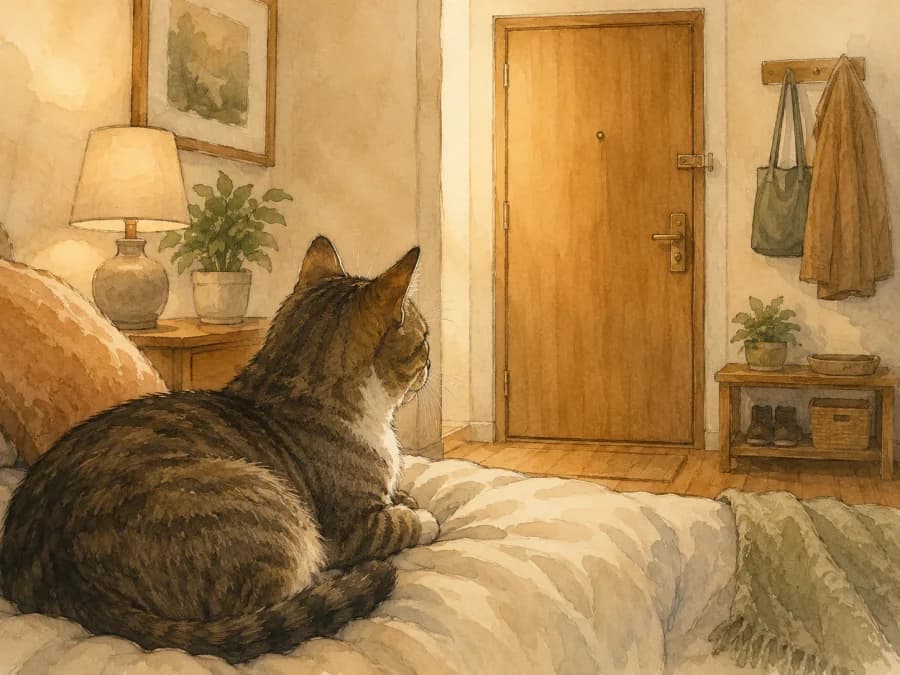
Normal Clingy vs Concerning Clingy
| What you see | More likely | What helps |
|---|---|---|
| Follows quietly and naps nearby | Attachment | Enjoy it, add independent enrichment |
| Demands play at the same time daily | Routine and expectation | Schedule play before the demand peak |
| Cries when doors close | Frustration or anxiety | Practice short separations calmly |
| Suddenly will not leave you alone | Stress or health change possible | Check for other signs and call vet if needed |
| Clingy plus not eating, hiding, or pain signs | Medical concern possible | Contact your veterinarian |
What Changed? A Better First Question
| Recent change | Why it can make a cat clingy | First thing to try |
|---|---|---|
| You returned from travel | The cat may be seeking reassurance or routine | Keep arrivals calm and rebuild normal play/meal timing |
| Work schedule changed | The cat lost predictable attention windows | Add scheduled play before your busiest time |
| New pet or baby | Territory, noise, and attention changed | Protect safe spaces and avoid forced contact |
| Move or renovation | Smell, sound, and layout changed | Give the cat one stable room and familiar bedding |
| Sudden clinginess with appetite or litter changes | Health or pain may be involved | Call your veterinarian instead of treating it as training |
| Clingy only around food time | Learned routine or hunger expectation | Feed on a schedule and reward calm waiting |
This table keeps the article from turning into one answer for every cat. The user problem is usually not "clingy cat." It is "why now?"
What Not to Do
Do not punish your cat for wanting you. Yelling, spraying, pushing, or locking the cat away as punishment can increase stress and make the behavior louder.
Also do not respond to every demand instantly. That can teach your cat that escalating works. The sweet spot is predictable attention before the meltdown, plus calm boundaries when the demand is unreasonable.
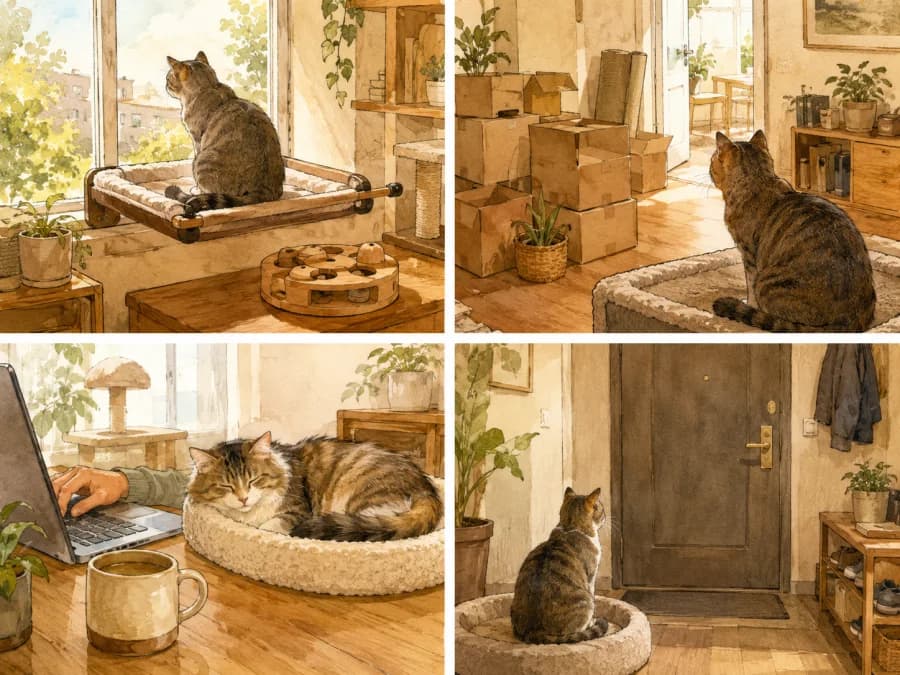
How to Help a Clingy Cat Settle
Start with a routine:
- Add a daily play session before your cat's clingiest time.
- Feed after play when possible.
- Create a cozy perch near your workspace or sofa.
- Use puzzle feeders or treat hunts for independent activity.
- Reward calm settling, not only loud demands.
- Practice brief, boring separations behind a door.
- Keep arrivals and departures calm.
If night is the problem, read why does my cat meow at night. If the cat follows you everywhere but seems relaxed, see why does my cat follow me everywhere.
If you share your home with multiple cats, check whether one cat is blocking access to food, litter, resting spots, or your attention. A "clingy" cat may be choosing you because another cat controls the best resources. Add separate food, water, litter, and resting zones before assuming the behavior is purely emotional.
References
International Cat Care: Stress in cats
Animal Behavior & Care Writer
Rachel has a background in zoology and animal care volunteering. She writes about cat behavior, enrichment, and the relationship between cats and their everyday environment.
Written by Rachel Breen. Read our Editorial Policy.
FAQ
Frequently asked questions
New on NookPetdia
Latest articles
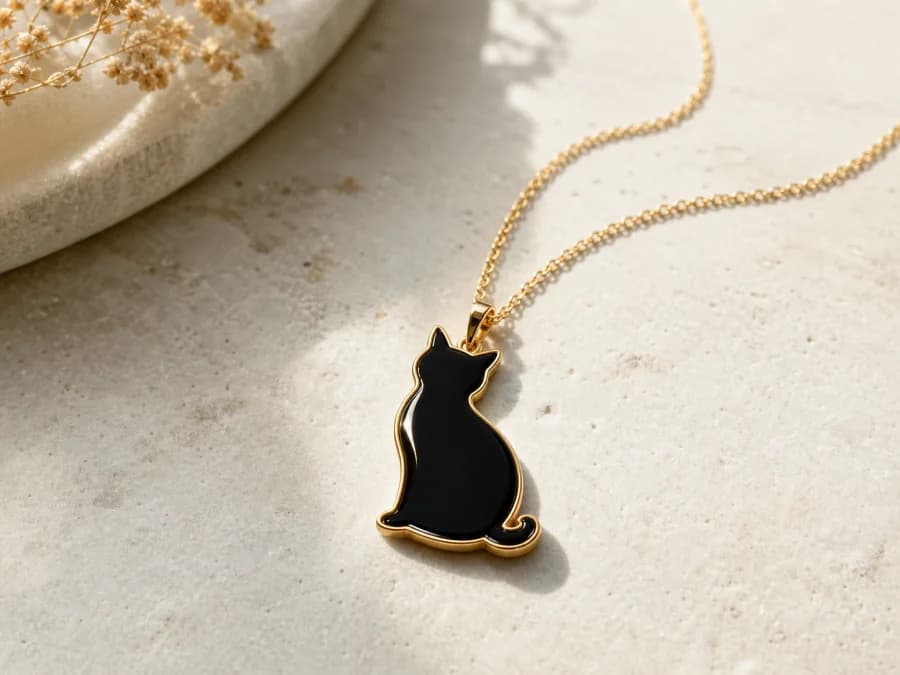
Black Cat Jewelry Guide (Style, Meaning, Gift Timing)
Black cats are the hardest subject to render in a small pendant and the best subject for silhouette work. Here is which styles hold up, what the symbolism actually carries, and the two dates worth planning a gift around.
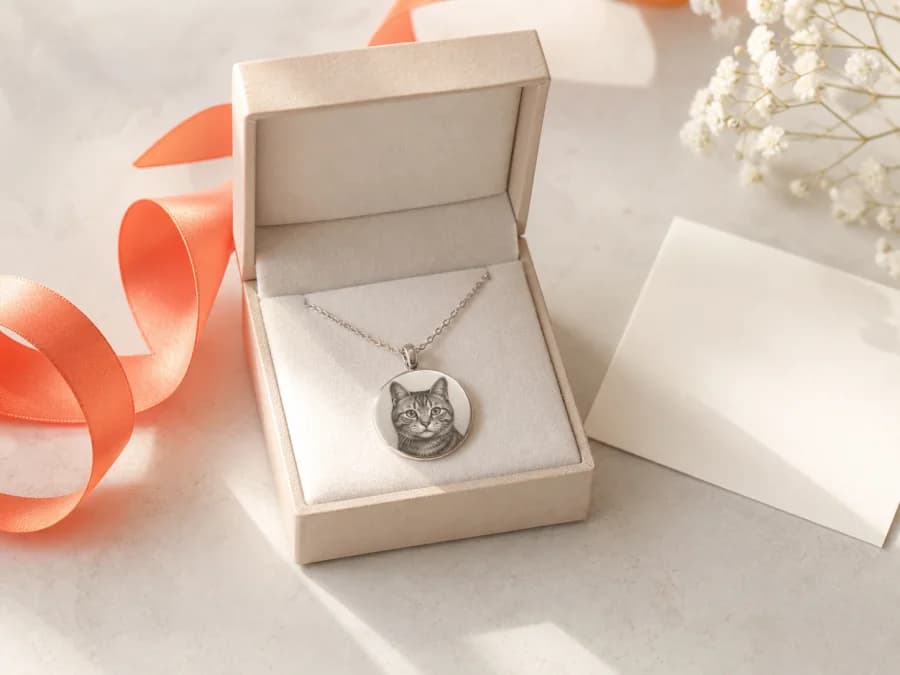
Cat Mom & Cat Dad Gift Ideas That Aren't Cheap Charms
Most cat-themed gifts are novelty items that get used twice. Here is how to buy something a cat parent keeps — including what to confirm about metal, sizing, and timing before you order anything personalized.
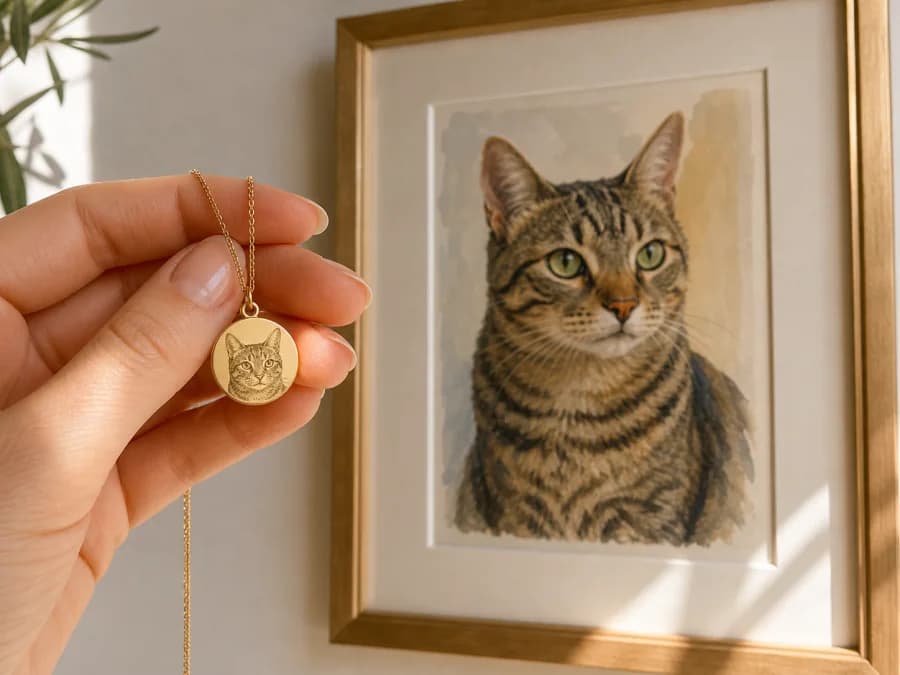
Custom Pet Portrait Jewelry vs Print: What's Worth Buying
Wearable portrait jewelry and framed pet portraits solve different problems. Here is how they compare on likeness, cost, durability, and daily use — and which one to commission first.