Dry stone plastic clay is where the material gets interesting. Soft clay hides seams. A cured blank lets you level bumps, sharpen a silhouette, and prep a surface that paint actually likes.
Sanding also makes dust. In the craft discussions we reviewed, that was the part that surprised people: a tiny magnet can throw a surprising cloud. Plan dust control before you chase a glass-smooth finish.
AI Summary
Overview
Sand only after the piece is fully dry. See drying guidance.
A common sequence: shape with a coarser nail buffer or ~600 grit, refine with ~1000+ grit, then wipe with a damp cloth to lift dust.
Wear a mask. Prefer wet wiping over endless dry grinding.
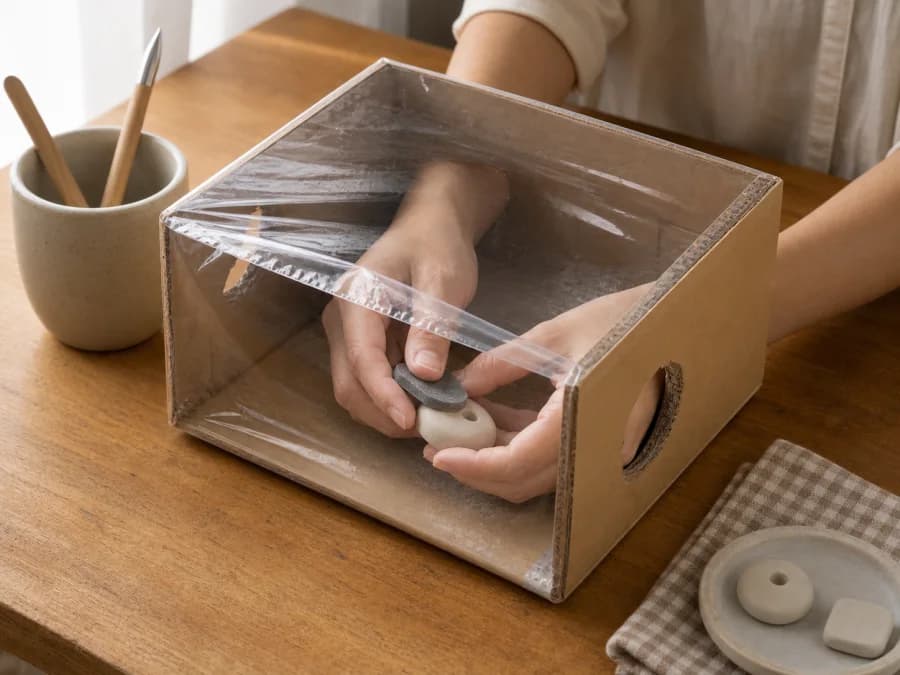
A cardboard "sanding box" with arm holes and a plastic-film top is a popular low-tech dust trap.
You can skip sanding for casual pieces. Sanding is optional quality, not a moral requirement.
Wait for a Real White Blank
If the clay is still cool and damp inside, sanding smears, loads the paper, and can tear edges. Fully dry blanks sand into powder instead of gum.
Patch dents with a little fresh clay, blend, dry again, then sand. Trying to polish a soft crater just polishes your frustration.
A Simple Three-Step Method
This matches a widely shared beginner method in our notes:
- Shape. Use a nail file/buffer or coarser grit to knock down high spots and refine the silhouette.
- Smooth. Move to finer sandpaper (often 1000 grit and up) until the surface feels even under fingertips.
- Lift dust. Wipe with a lightly damp face towel or soft cloth. This both burnishes slightly and removes powder that would muddy your paint.
Some makers burnish with a scrap of fully cured clay. It sounds odd until you try it on a flat magnet face.
Dust Control That Does Not Require a Workshop
Dry sanding dust is annoying at minimum and miserable if you are sensitive to particulates. Practical habits:
- Wear a mask rated for fine dust if you sand often
- Sand near an open window or exhaust, not over bedding
- Prefer short dry passes plus damp wiping instead of aggressive cloud-making
- Keep cats out of the room while powder is airborne. Soft paws and craft dust are a bad mix
The cardboard sanding box
A highly liked tip: cut arm holes in a cardboard box, stretch plastic wrap over the open top, and sand inside. Dust stays mostly in the box. It is ugly. It works better than pretending outdoor air will save a kitchen table.
If sanding still makes you miserable, refine more while the clay is soft and accept a slightly handmade surface. Plenty of makers barely sand and still finish cute work.
How Smooth Is Smooth Enough?
For acrylic markers and graphic designs, smoother is kinder. For textured creatures, over-sanding erases charm. Stop when the surface matches the finish you want, not when an online photo demands porcelain.
If paint later peels in sheets, the blank may have been under-dry or under-cleaned rather than under-sanded. Check common mistakes.
After Sanding
- Wipe residue again
- Let any dampness from wet wiping evaporate
- Paint in thin layers
- Seal only after paint is truly dry
- Ventilate for gloss coats and sprays
Tool shopping notes for pads and grits live in beginner tools.
Key Takeaway
Sanding is optional polish with a real dust cost. Use a short grit sequence, lift powder with a damp wipe, and contain the mess if you sand a lot. A smooth blank is helpful. Healthy lungs are non-negotiable.
References
Editorial synthesis of private craft-discussion research notes on stone plastic clay sanding sequences, dust complaints, and cardboard sanding-box tips (2026-07-29).
Founder & Editor
Micky is the founder and editor of NookPetdia, sharing practical cat-care guidance and product-fit advice for everyday cat parents.
Written by Micky. Read our Editorial Policy.
FAQ
Frequently asked questions
New on NookPetdia
Latest articles
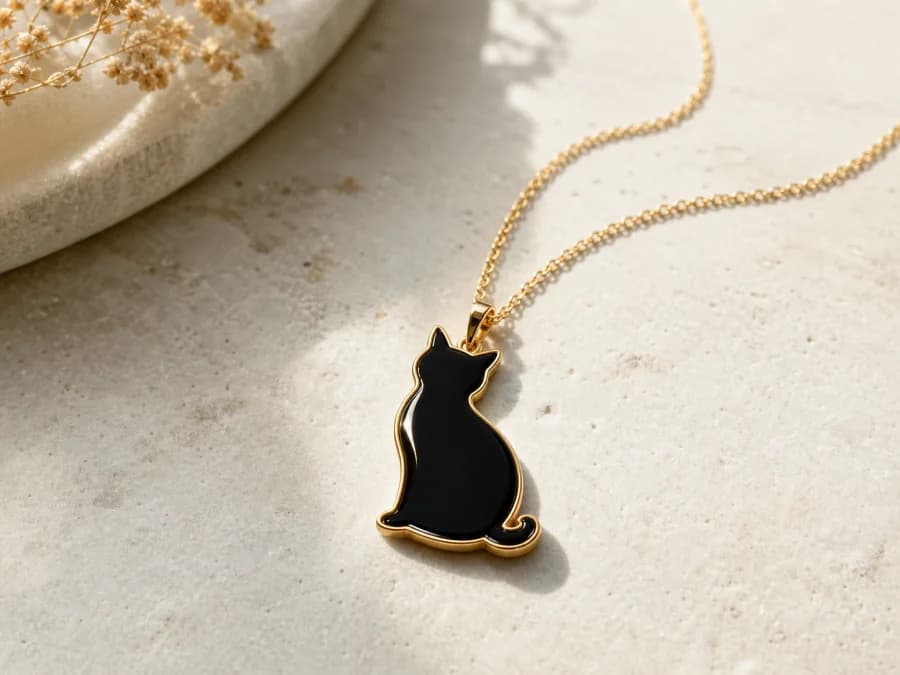
Black Cat Jewelry Guide (Style, Meaning, Gift Timing)
Black cats are the hardest subject to render in a small pendant and the best subject for silhouette work. Here is which styles hold up, what the symbolism actually carries, and the two dates worth planning a gift around.
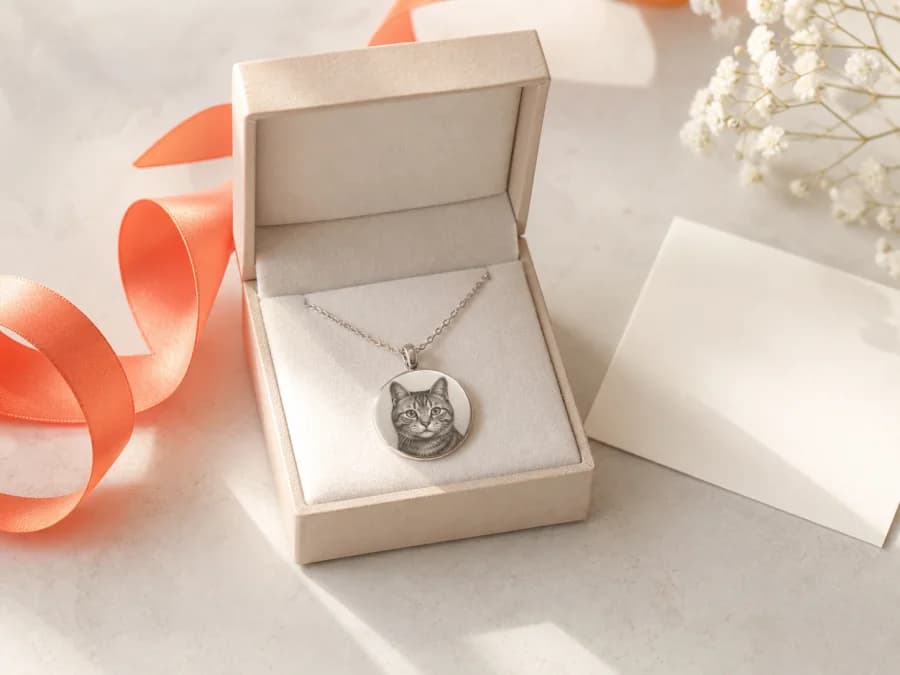
Cat Mom & Cat Dad Gift Ideas That Aren't Cheap Charms
Most cat-themed gifts are novelty items that get used twice. Here is how to buy something a cat parent keeps — including what to confirm about metal, sizing, and timing before you order anything personalized.
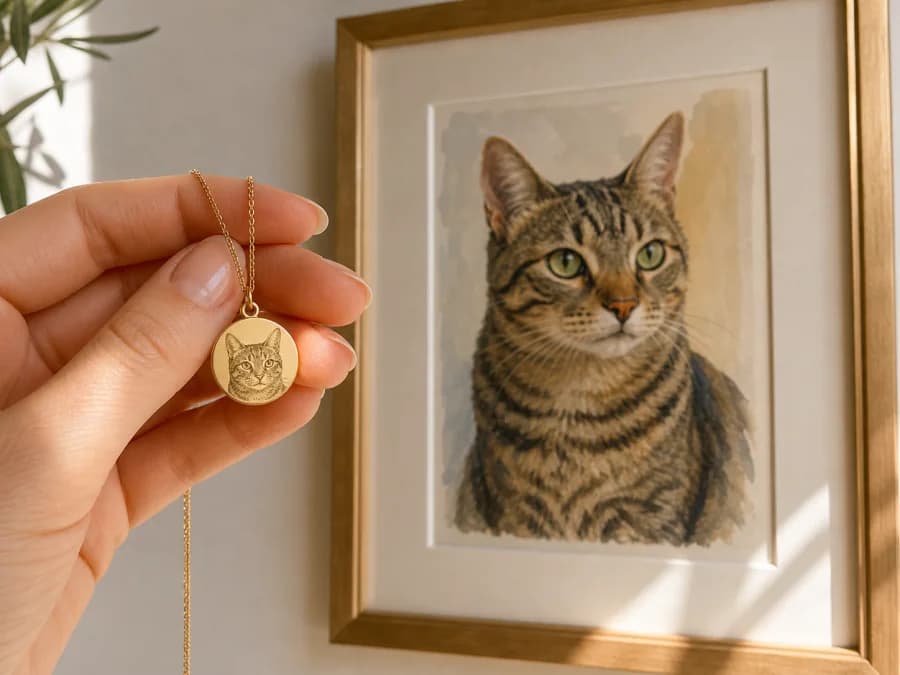
Custom Pet Portrait Jewelry vs Print: What's Worth Buying
Wearable portrait jewelry and framed pet portraits solve different problems. Here is how they compare on likeness, cost, durability, and daily use — and which one to commission first.