It’s a common scene for every cat owner: you call your cat’s name, and they might twitch an ear, turn their head, or simply ignore you. This leads to the age-old question: Do cats actually know their names, or are they just choosing to stay silent?
Health note: a cat ignoring a name is usually normal behavior, but a sudden change in response to sound can also involve hearing, pain, stress, or cognitive changes. Ask your veterinarian if the change is abrupt or comes with disorientation, hiding, appetite changes, or other symptoms.
AI Summary
Overview
To strengthen the unique emotional bond and communication between you and your feline companion, by using the principles of conditioned reflex mechanisms and a structured positive reinforcement training guide, you can achieve a reliable name-recognition response that clarifies your cat’s “sound signature” and enhances their sense of security at home.
1. The Science: Conditioned Reflex vs. Language
While humans use names to represent identity and self, cats perceive them differently. Their recognition is based on a Conditioned Reflex Mechanism :
- Sound Signals : A name is a vital prompt that predicts positive outcomes like food, petting, or play.
- Learning Process : Through repeated association, cats learn to expect a specific result when they hear that unique sequence of sounds.
- Scientific Proof : A 2019 study by Saito demonstrated that cats can distinguish their own names even from strings of phonetically similar nouns.
2. Extraordinary Auditory Recognition

A cat’s hearing is far superior to a human’s, allowing them to pick up on subtle nuances in speech:
- Pattern Recognition : They identify auditory patterns rather than semantic meaning.
- Acoustic Features : Cats memorize the pitch, duration, and timbre of their name.
- Filtering : They can accurately pick out their “call” even in noisy environments by filtering for specific syllables with high personal significance.
3. Common Myths Debunked
Understanding the truth behind feline behavior helps reduce owner frustration:
- Myth: They understand “Me” . Truth: They see the name as a trigger for interaction, not a concept of self.
- Myth: They are ignoring me because they are angry . Truth: Non-responsiveness usually stems from a lack of positive reinforcement or a negative association with the name.
- Myth: They are stubborn . Truth: Cats perform a internal “cost-benefit analysis.” If there is no clear reward or benefit, they may decide not to expend the energy to respond.
4. Practical Reinforcement Training Guide

Follow these steps to stabilize your cat’s response to their name:
- Quiet Timing : Choose periods when the environment is calm. Practice several times a day.
- Friendly Tone : Call their name clearly using a high-pitched, welcoming intonation.
- Keep it Brief : Limit each session to 3-5 minutes to keep the experience light and pleasant.
- Immediate Rewards : Offer a treat or physical affection the exact moment they look at you or turn their head.
- Persistence : Consistent practice over several weeks will lead to a faster, more stable response.
⚠️ Critical Tip : Never use your cat’s name immediately followed by a punishment (like a bath or medicine), as this creates a lasting negative association.
Summary Table: Understanding Responses
Final Insight : Feline name recognition is a “voice print” of the bond you share. While they may not understand the linguistics, their response is a testament to the trust and positive expectations you have built together. Respect their unique way of communicating, and you will enjoy a deeper level of interaction.
Founder & Editor
Micky is the founder and editor of NookPetdia, sharing practical cat-care guidance and product-fit advice for everyday cat parents.
Written by Micky. Read our Editorial Policy.
The Science Behind Cat Name Recognition: It’s Not What You Think
Cats can recognize name-like sound patterns, but response depends on motivation, trust, and positive association.
Why CatsCan Cats See Energy Fields? The Science Behind Their “Sixth Sense”
Cats are not known to see energy fields. Sharp hearing, night vision, scent, and whiskers explain most "sixth sense" moments.
Why CatsWhy Does My Cat Smell My Shoes? 4 Psychological Reasons Revealed
Cats smell shoes for scent information, comfort, territory mapping, and the rich outdoor odors humans bring home.
Why CatsWhy Does My Cat Follow Me to the Bathroom? 6 Scientific Reasons Explained
Cats follow you to the bathroom for routine, curiosity, attention, territory, and the strange appeal of closed doors.
Why CatsWhy Do Cats Watch TV? 5 Surprising Reactions Explained
Cats may watch TV because fast movement, prey-like shapes, sound, and light trigger their hunting attention.
Why CatsWhy Do Cats Like Sun? 5 Instincts Explained
Five instincts behind cat sunbathing: warmth, vantage, vitamin D via grooming, relaxation, and scent marking.
Why CatsNew on NookPetdia
Latest articles
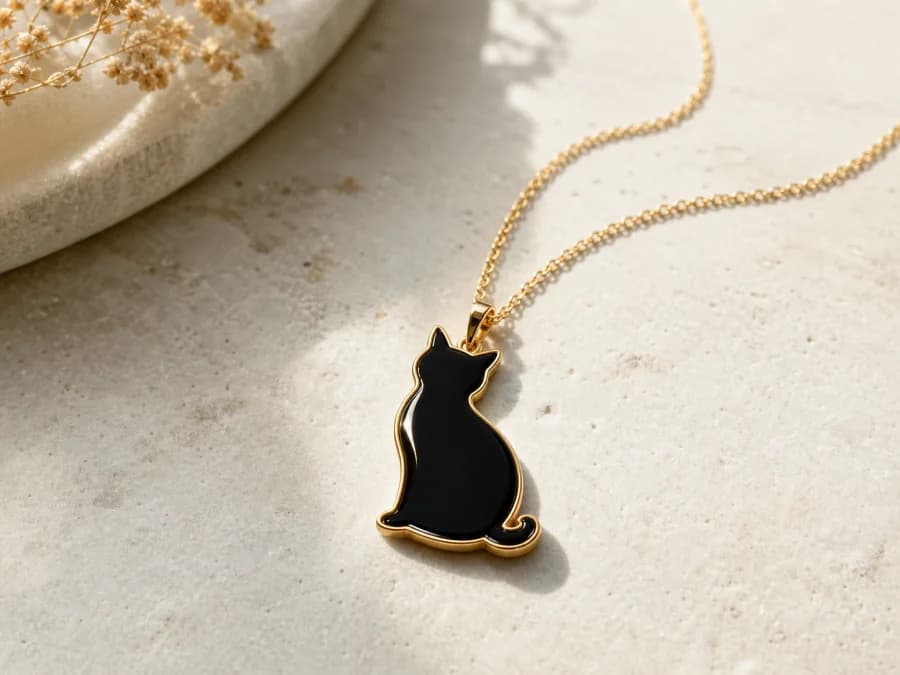
Black Cat Jewelry Guide (Style, Meaning, Gift Timing)
Black cats are the hardest subject to render in a small pendant and the best subject for silhouette work. Here is which styles hold up, what the symbolism actually carries, and the two dates worth planning a gift around.
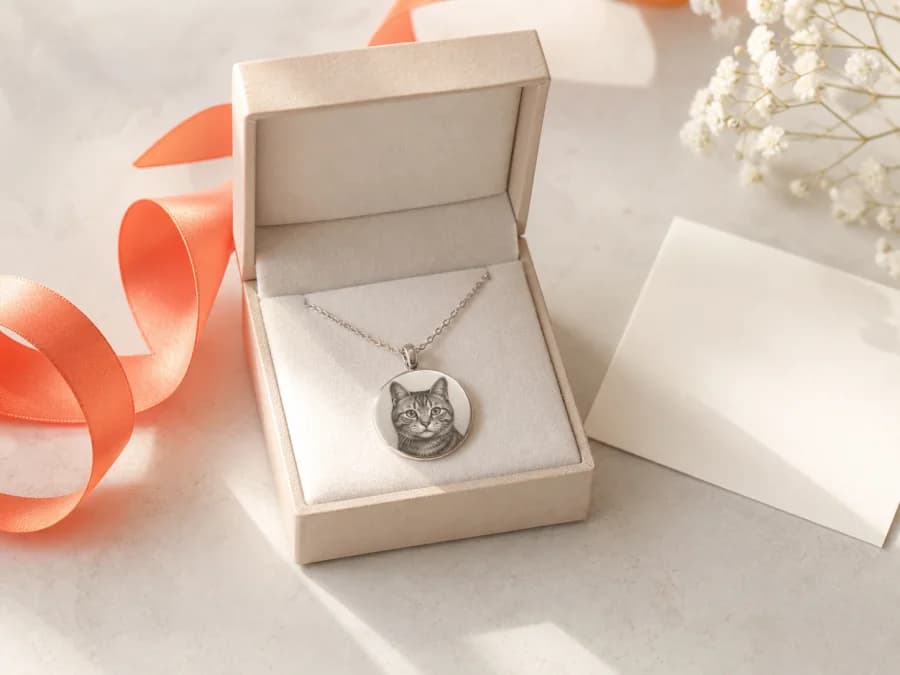
Cat Mom & Cat Dad Gift Ideas That Aren't Cheap Charms
Most cat-themed gifts are novelty items that get used twice. Here is how to buy something a cat parent keeps — including what to confirm about metal, sizing, and timing before you order anything personalized.
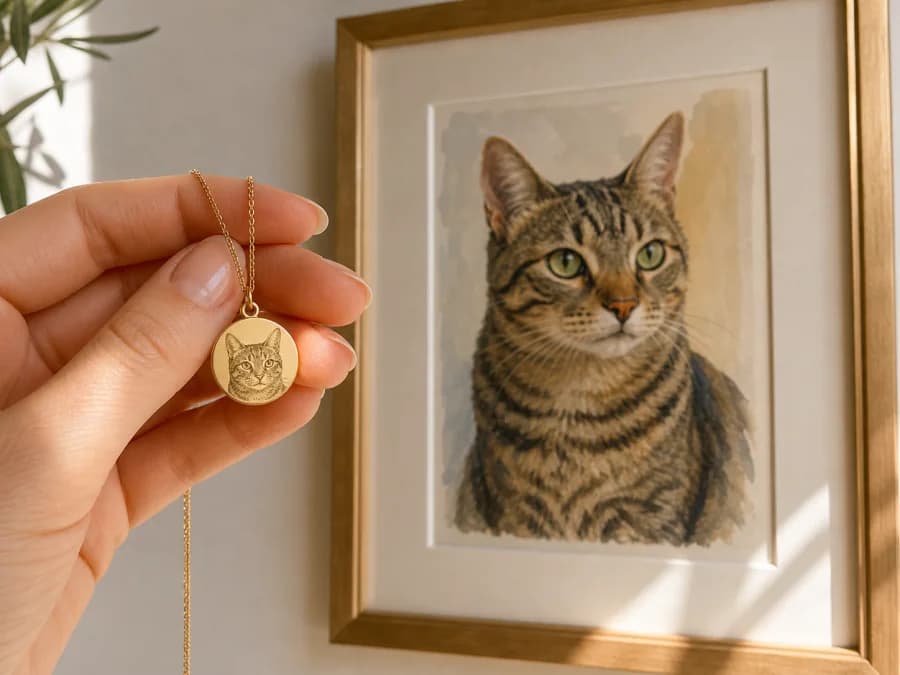
Custom Pet Portrait Jewelry vs Print: What's Worth Buying
Wearable portrait jewelry and framed pet portraits solve different problems. Here is how they compare on likeness, cost, durability, and daily use — and which one to commission first.