Walk into any home with a cat and you will likely find them sprawled in the smallest patch of sunlight on the floor. Warmth is part of it, and a few other instincts show up again and again in how cats use sunny spots.
Safety note: normal sunbathing should still look relaxed and easy to interrupt. Move your cat out of heat and call your veterinarian if you see weakness, panting, collapse, burns, eye pain, or unusual lethargy.
AI Summary
Overview
Warmth: Cats run warmer than people, so sunbathing helps them stay warm with less metabolic effort.
Vantage: A sunny window perch pairs comfort with a clear view of the room or outdoors.
Vitamin D: UV can interact with oils on fur; cats take some of that in later while grooming, but diet still matters.
Settle and mark: Warm light can help a cat relax, and rolling or kneading in a sunny spot also leaves scent.
1. High-efficiency thermoregulation

A cat's core body temperature sits between 38.1°C and 39.2°C (100.5-102.5°F), significantly higher than a human's.
- Energy saving: holding that higher temperature takes metabolic energy. Sunbathing lets them stay warm with less effort.
- Joint comfort: for senior cats, warmth into muscles and joints can ease stiffness. This is an observational comfort pattern, not a treatment plan.
2. Observation and security
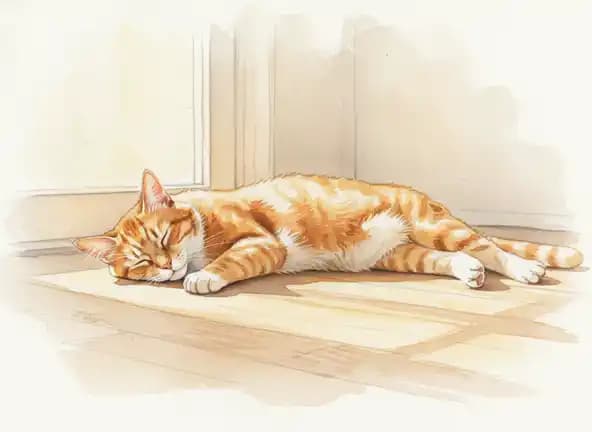
A sunny window perch often gives two things at once: warmth and a clear view.
- Vantage point: cats are both predators and potential prey. A high, well-lit spot helps them watch their territory.
- Lower tension: seeing the room from a safe, warm distance can reduce jumpy scanning.
3. The vitamin D connection
Unlike humans, who can make vitamin D through skin exposure in a more direct way, cats rely on a different route described in pet-care discussions:
- Fur synthesis: UV rays interact with oils (sebum) on their fur to produce vitamin D precursors.
- Oral intake: cats ingest those compounds later while grooming.
- Diet still matters: sunlight alone cannot replace a balanced, nutrient-rich diet.
4. Stress relief and relaxation
Sunlight often coincides with a calmer mood in house cats.
- Serotonin: warm light is linked with serotonin activity, which owners often read as a settled, content state.
- Deep rest: cats that stretch fully in the sun and stay easy to interrupt usually look trusting, not trapped.
5. Scent marking and territory
Sunbathing can also reinforce ownership of a favorite spot.
- Gland activation: heat can make scent glands in the paw pads and face more active.
- Chemical messaging: when cats roll and knead in a sunny patch, they leave pheromones that help the place feel like theirs.
Practical ways to support safe sun time
- Offer a sunny perch with an easy exit into shade.
- Keep the spot interruptible; a cat that cannot leave heat is not sunbathing safely.
- Do not treat sunlight as a substitute for complete nutrition.
Founder & Editor
Micky is the founder and editor of NookPetdia, sharing practical cat-care guidance and product-fit advice for everyday cat parents.
Written by Micky. Read our Editorial Policy.
The Science Behind Cat Name Recognition: It’s Not What You Think
Cats can recognize name-like sound patterns, but response depends on motivation, trust, and positive association.
Why CatsCan Cats See Energy Fields? The Science Behind Their “Sixth Sense”
Cats are not known to see energy fields. Sharp hearing, night vision, scent, and whiskers explain most "sixth sense" moments.
Why CatsWhy Does My Cat Smell My Shoes? 4 Psychological Reasons Revealed
Cats smell shoes for scent information, comfort, territory mapping, and the rich outdoor odors humans bring home.
Why CatsWhy Does My Cat Follow Me to the Bathroom? 6 Scientific Reasons Explained
Cats follow you to the bathroom for routine, curiosity, attention, territory, and the strange appeal of closed doors.
Why CatsWhy Do Cats Watch TV? 5 Surprising Reactions Explained
Cats may watch TV because fast movement, prey-like shapes, sound, and light trigger their hunting attention.
Why CatsDo Cats Really Recognize Their Names? The Science and Training Guide
Cats can recognize the sound pattern of their names, but whether they respond depends on tone, trust, motivation, and positive association.
About CatNew on NookPetdia
Latest articles
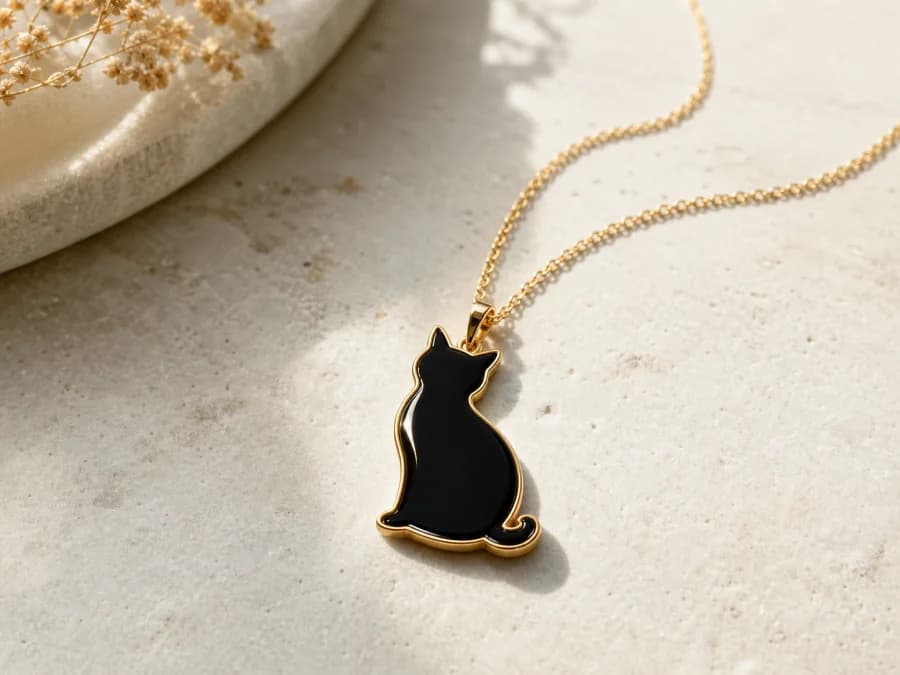
Black Cat Jewelry Guide (Style, Meaning, Gift Timing)
Black cats are the hardest subject to render in a small pendant and the best subject for silhouette work. Here is which styles hold up, what the symbolism actually carries, and the two dates worth planning a gift around.
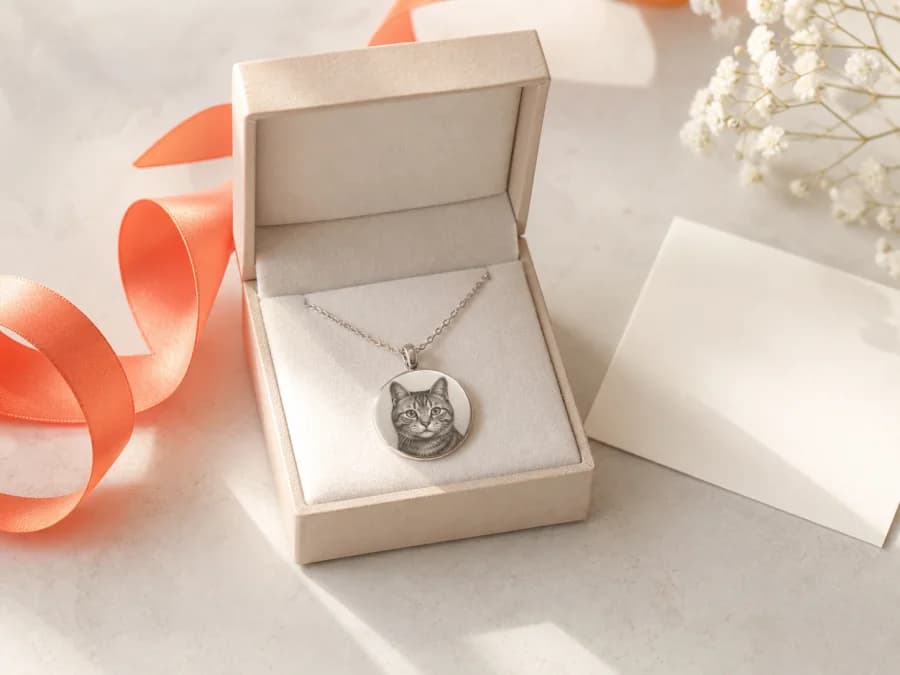
Cat Mom & Cat Dad Gift Ideas That Aren't Cheap Charms
Most cat-themed gifts are novelty items that get used twice. Here is how to buy something a cat parent keeps — including what to confirm about metal, sizing, and timing before you order anything personalized.
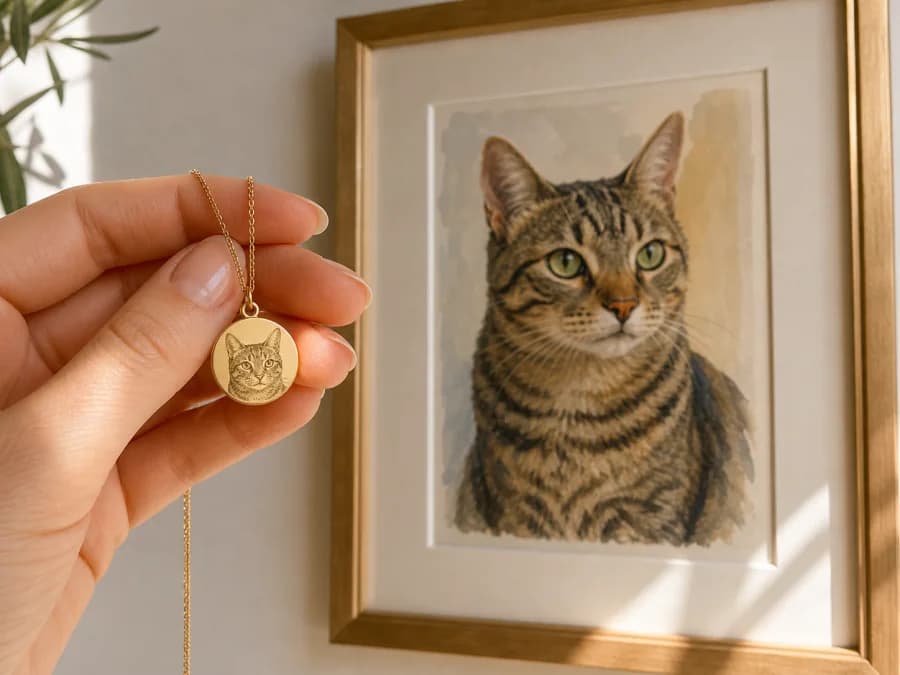
Custom Pet Portrait Jewelry vs Print: What's Worth Buying
Wearable portrait jewelry and framed pet portraits solve different problems. Here is how they compare on likeness, cost, durability, and daily use — and which one to commission first.