It is a familiar sight: the glow of the television screen flickers, and suddenly your cat is transfixed, pawing at a bird on the screen or simply staring intensely. But what are they actually seeing?
AI Summary
Overview
By exploring the science behind your cat’s unique visual perception (70-80Hz flicker rate) and auditory sensitivity, you can decode the mystery of their screen time habits, understand their 5 distinct reactions—from predatory excitement to stress avoidance—and curate a digital environment that enriches rather than stresses them.
1. The Hunting Instinct (Predatory Drive)
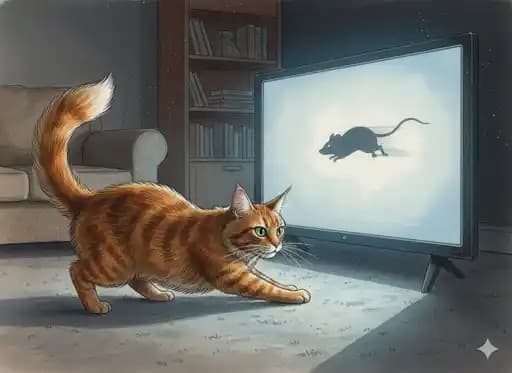
When a bird or rodent moves quickly across the screen, it triggers an ancient reflex.
- Body Language : Low posture, twitching tail tip, dilated pupils, and pouncing motions.
- The Trigger : Rapid, erratic movement that mimics prey behavior.
- Frustration Risk : Cats may chirp or “chatter” in frustration because they cannot physically catch the digital prey.
2. Sensory Differences: What Do They See?
Cats experience television differently than humans due to their biological makeup:
- Visual Frame Rate : Humans see fluid motion at 50-60Hz. Cats need 70-80Hz . On older TVs, they likely saw a flickering strobe light; modern high-refresh screens look much more realistic to them.
- Color Spectrum : Cats perceive blues and greens vividly but see reds as greys, meaning colorful cartoons might look dull, while nature documentaries pop.
- Super-Hearing : With a range of 60-70kHz (vs human 20kHz), they hear high-frequency electronic whines from the device that we completely miss.
3. Indifference and “Tuning Out”
Sometimes, the reaction is no reaction at all.
- Grooming/Napping : If the TV is on but the cat is grooming, they have categorized the sound as “safe background noise.”
- Adaptation : This is a healthy sign of adaptation, showing they feel secure enough to ignore non-threatening stimuli.
4. Negative Avoidance (Stress Response)
Not all TV time is fun. Watch for these “Red Flag” signs of distress:
- Physical Signs : Ears pinned back (airplane ears), dilated pupils, rigid body posture, or hiding under furniture.
- Triggers : Loud explosions, aggressive shouting, or images of large predators (like bears or big cats) staring directly at the camera.
- Action : If you see this, turn off the TV or switch the channel immediately to lower cortisol levels.
5. Seeking Social Interaction

Surprisingly, some cats use TV as a social proxy.
- Behaviors : Meowing at the screen, rubbing against the TV stand, or purring near the audio source.
- The Reason : They may interpret calm voices or faces as “company,” seeking emotional resonance or simply asking you to join them in watching.
Summary Checklist: Optimizing TV for Cats
Final Insight : Television can be a wonderful enrichment tool or a source of stress. By observing your cat’s ears and tail, you can curate a playlist that engages their hunter brain without overwhelming their sensitive senses.
Founder & Editor
Micky is the founder and editor of NookPetdia, sharing practical cat-care guidance and product-fit advice for everyday cat parents.
Written by Micky. Read our Editorial Policy.
The Science Behind Cat Name Recognition: It’s Not What You Think
Cats can recognize name-like sound patterns, but response depends on motivation, trust, and positive association.
Why CatsCan Cats See Energy Fields? The Science Behind Their “Sixth Sense”
Cats are not known to see energy fields. Sharp hearing, night vision, scent, and whiskers explain most "sixth sense" moments.
Why CatsWhy Does My Cat Smell My Shoes? 4 Psychological Reasons Revealed
Cats smell shoes for scent information, comfort, territory mapping, and the rich outdoor odors humans bring home.
Why CatsWhy Does My Cat Follow Me to the Bathroom? 6 Scientific Reasons Explained
Cats follow you to the bathroom for routine, curiosity, attention, territory, and the strange appeal of closed doors.
Why CatsWhy Do Cats Like Sun? 5 Instincts Explained
Five instincts behind cat sunbathing: warmth, vantage, vitamin D via grooming, relaxation, and scent marking.
Why CatsDo Cats Really Recognize Their Names? The Science and Training Guide
Cats can recognize the sound pattern of their names, but whether they respond depends on tone, trust, motivation, and positive association.
About CatNew on NookPetdia
Latest articles

Black Cat Jewelry Guide (Style, Meaning, Gift Timing)
Black cats are the hardest subject to render in a small pendant and the best subject for silhouette work. Here is which styles hold up, what the symbolism actually carries, and the two dates worth planning a gift around.
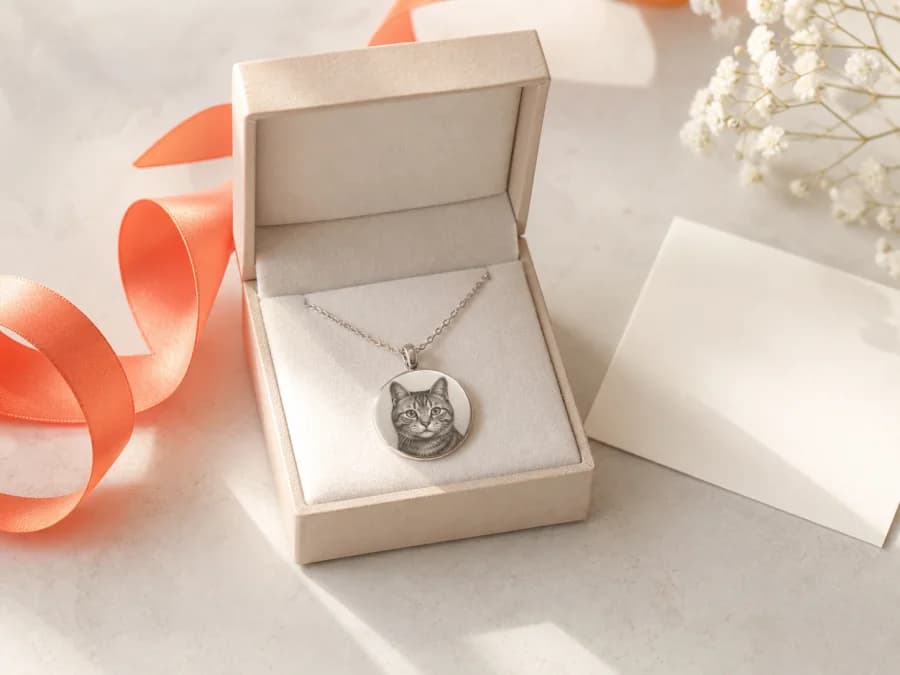
Cat Mom & Cat Dad Gift Ideas That Aren't Cheap Charms
Most cat-themed gifts are novelty items that get used twice. Here is how to buy something a cat parent keeps — including what to confirm about metal, sizing, and timing before you order anything personalized.
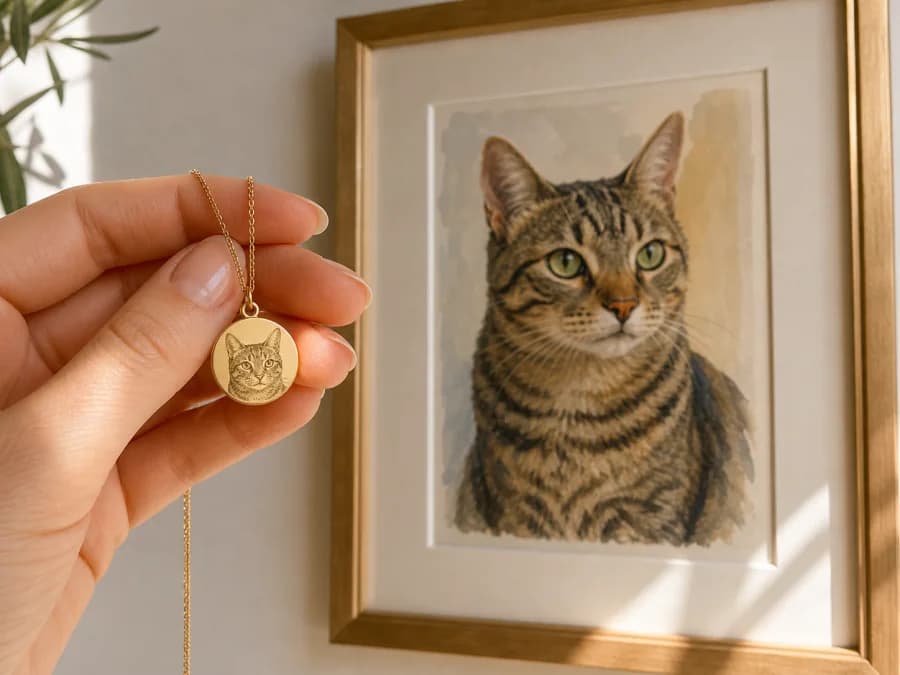
Custom Pet Portrait Jewelry vs Print: What's Worth Buying
Wearable portrait jewelry and framed pet portraits solve different problems. Here is how they compare on likeness, cost, durability, and daily use — and which one to commission first.