Have you ever called your cat, only to see a slight ear twitch but no movement? This common scenario leads many to wonder if cats truly know their names or simply choose to ignore us.
AI Summary
Overview
By applying the scientific principles of conditioned reflexes and auditory pattern recognition—rather than relying on human linguistic expectations—you can build a reliable communication bridge with your cat. This strengthens the bond so your cat consistently responds to their name as a positive signal for interaction.
1. The Core Mechanism: Conditioned Reflex
Contrary to popular belief, cats do not understand their names as a linguistic identity (i.e., “I am Fluffy”).
- Sound Association : They perceive their name as a specific sound signal that predicts a positive outcome.
- The Learning Loop : Through repeated experiences, they learn: “This specific sound sequence = Food/Petting/Play.”
- Scientific Consensus : Research confirms cats can distinguish their names from other similar-sounding words, but they process it as a cue, not a noun.
2. Superior Auditory Discrimination
A cat’s hearing is a precision instrument designed for survival that they repurpose for social interaction.
- Pattern Recognition : They are masters of identifying auditory patterns (pitch, tone, timbre) rather than semantic meaning.
- The “Cocktail Party Effect” : Just as humans focus on one conversation in a noisy room, cats can filter out background noise to pinpoint the specific sound of their owner’s call.
3. The Complex Reaction Chain
Responding to a name is rarely a simple reflex; it is a multi-sensory decision.
- Tone of Voice : High-pitched, friendly tones are far more likely to trigger a response than flat or angry ones.
- Body Language : Cats read your eye contact and posture to determine whether the signal is directed at them.
- Context Matters : They are more responsive during feeding or play times than when deep in sleep or grooming.
4. Debunking Common Myths
Misinterpreting feline behavior often leads to unnecessary frustration.
- Myth: “They are ignoring me on purpose.” Reality : They are likely performing a cost-benefit analysis. If the “reward” (your attention) isn’t worth the effort of moving, they won’t.
- Myth: “They understand what I’m saying.” Reality : They understand the emotion and consequence associated with the sound, not the vocabulary itself.
Summary Checklist: Improving Name Response
Final Insight : While your cat may not understand their name as a label for themselves, their response is a testament to the trust you have built. It is a unique “soundprint” of your relationship that signifies safety, attention, and care.
Founder & Editor
Micky is the founder and editor of NookPetdia, sharing practical cat-care guidance and product-fit advice for everyday cat parents.
Written by Micky. Read our Editorial Policy.
Can Cats See Energy Fields? The Science Behind Their “Sixth Sense”
Cats are not known to see energy fields. Sharp hearing, night vision, scent, and whiskers explain most "sixth sense" moments.
Why CatsWhy Does My Cat Smell My Shoes? 4 Psychological Reasons Revealed
Cats smell shoes for scent information, comfort, territory mapping, and the rich outdoor odors humans bring home.
Why CatsWhy Does My Cat Follow Me to the Bathroom? 6 Scientific Reasons Explained
Cats follow you to the bathroom for routine, curiosity, attention, territory, and the strange appeal of closed doors.
Why CatsWhy Do Cats Watch TV? 5 Surprising Reactions Explained
Cats may watch TV because fast movement, prey-like shapes, sound, and light trigger their hunting attention.
Why CatsWhy Do Cats Like Sun? 5 Instincts Explained
Five instincts behind cat sunbathing: warmth, vantage, vitamin D via grooming, relaxation, and scent marking.
Why CatsDo Cats Really Recognize Their Names? The Science and Training Guide
Cats can recognize the sound pattern of their names, but whether they respond depends on tone, trust, motivation, and positive association.
About CatNew on NookPetdia
Latest articles
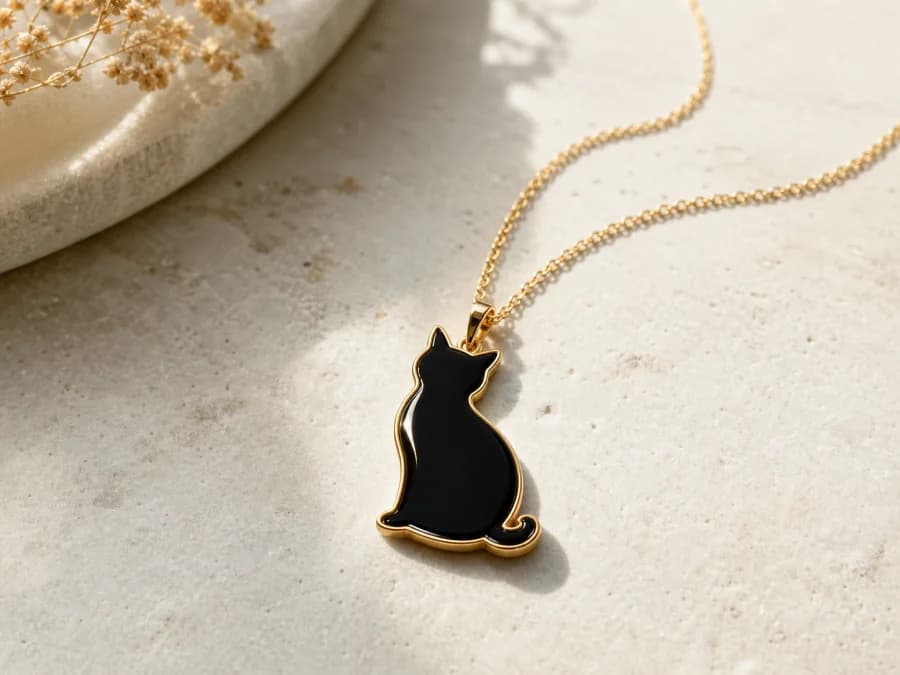
Black Cat Jewelry Guide (Style, Meaning, Gift Timing)
Black cats are the hardest subject to render in a small pendant and the best subject for silhouette work. Here is which styles hold up, what the symbolism actually carries, and the two dates worth planning a gift around.
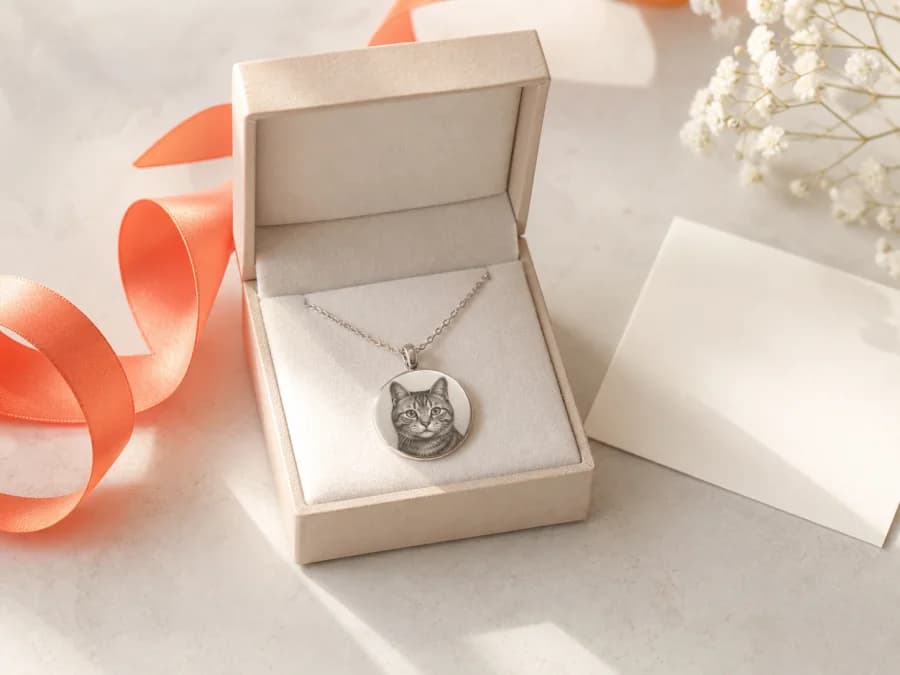
Cat Mom & Cat Dad Gift Ideas That Aren't Cheap Charms
Most cat-themed gifts are novelty items that get used twice. Here is how to buy something a cat parent keeps — including what to confirm about metal, sizing, and timing before you order anything personalized.
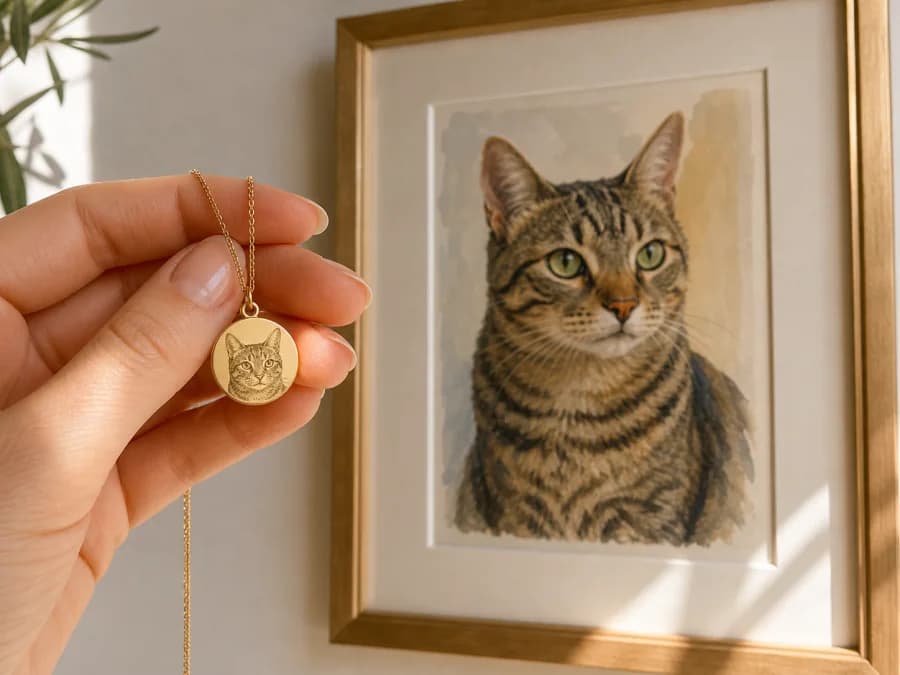
Custom Pet Portrait Jewelry vs Print: What's Worth Buying
Wearable portrait jewelry and framed pet portraits solve different problems. Here is how they compare on likeness, cost, durability, and daily use — and which one to commission first.