You come home to find your wallpaper shredded and your cat looking innocent. It’s frustrating, scratching is a “daily necessity” for cats, not an act of destruction.
If your cat is targeting your walls specifically, it means their environmental needs aren’t being met. Here is the science behind the behavior and a proven strategy to redirect it.
Cats scratch walls to remove dead nail sheaths , mark territory (via scent glands in paws), and stretch their spine . Walls are attractive because they provide a stable, vertical surface for a full-body stretch and often have a rough texture that feels satisfying to scratch.
1. The Psychology: Why the Wall?
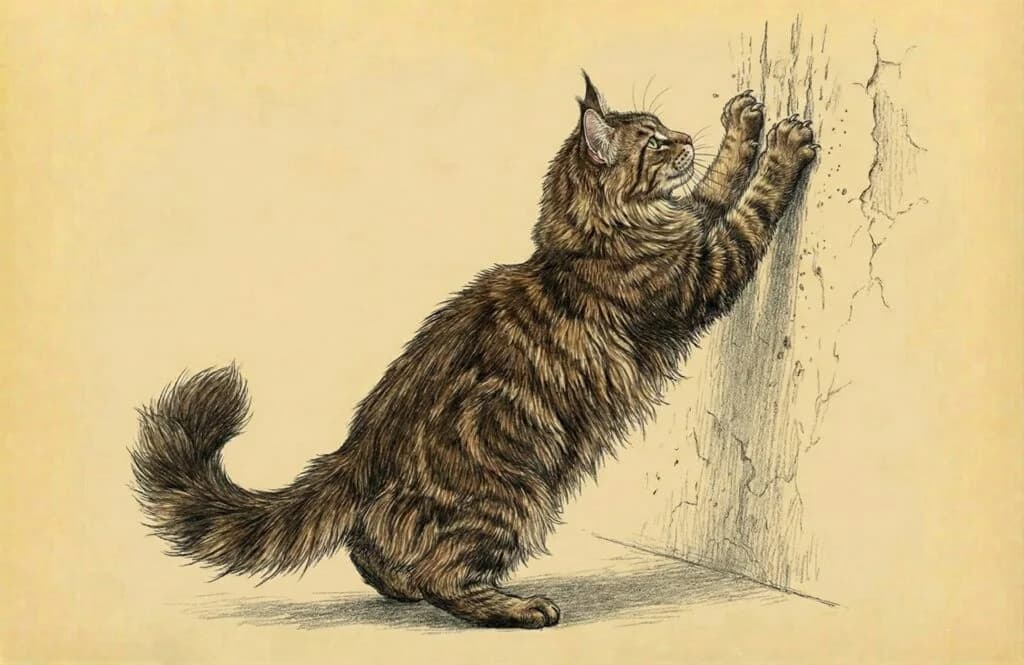
To stop the behavior, you must understand the motivation. It’s not just about sharp claws.
- The “Yoga” Factor (Stretching): Walls allow cats to stand on their hind legs and fully extend their spine and forelimbs. This “vertical stretch” releases tension.
- Territory Marking: Cats have scent glands in their paw pads. Scratching leaves both a visual mark (shredded paper) and a chemical mark (scent), telling other animals, “This is my space”.
- Texture Satisfaction: Wallpaper or painted drywall often has a roughness that provides excellent “drag” for their claws, offering psychological satisfaction.
- Attention Seeking: If you react strongly when they scratch, they learn that “Scratching Wall = Owner’s Attention”.
🚫 Common Mistakes: What NOT to Do
Many owners make the problem worse by reacting emotionally.
✅ The 3-Step Solution: Redirect, Don’t Punish
Step 1: Provide a “Legal” Alternative
You must give them something better to scratch.
- Go Vertical: Since they are scratching walls, floor scratchers won’t work. You need a tall, vertical post or a wall-mounted board.
- Material Matters: The hierarchy of preference is usually: Sisal Rope > Cardboard > Carpet > Soft Cloth .
- Location is Key: This is the most important rule. Place the new scratcher right next to the damaged wall . Do not hide it in a corner; it needs to cover the “battlefield”.
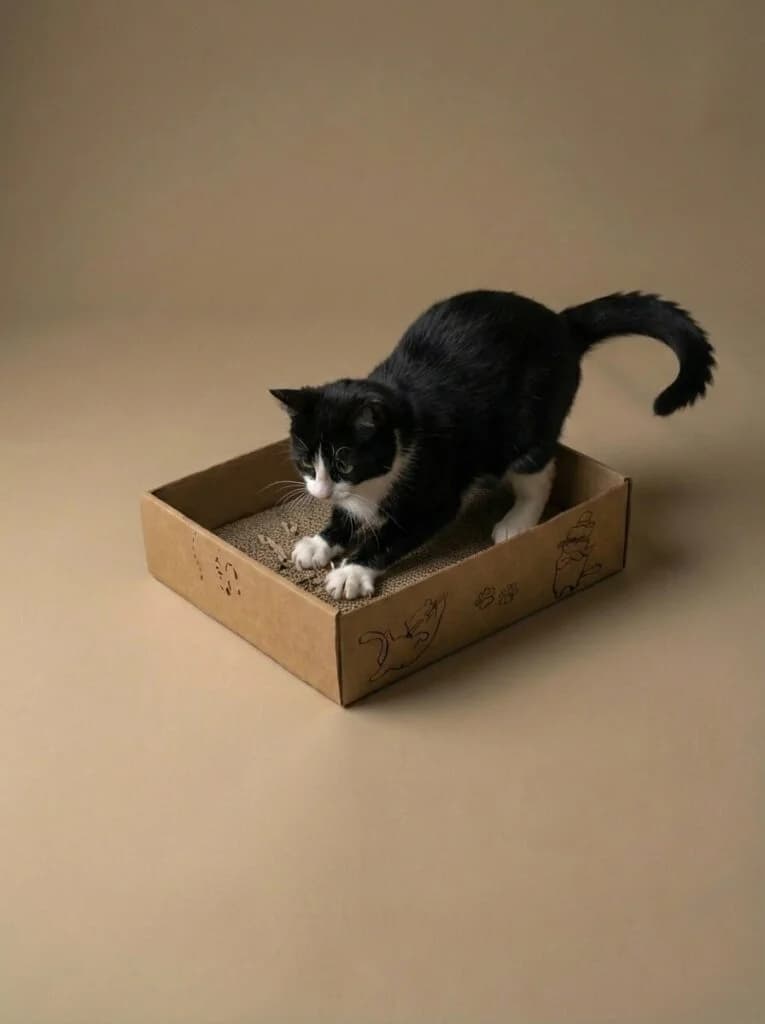
Cat Scratchers For Medium-Small Size Cat
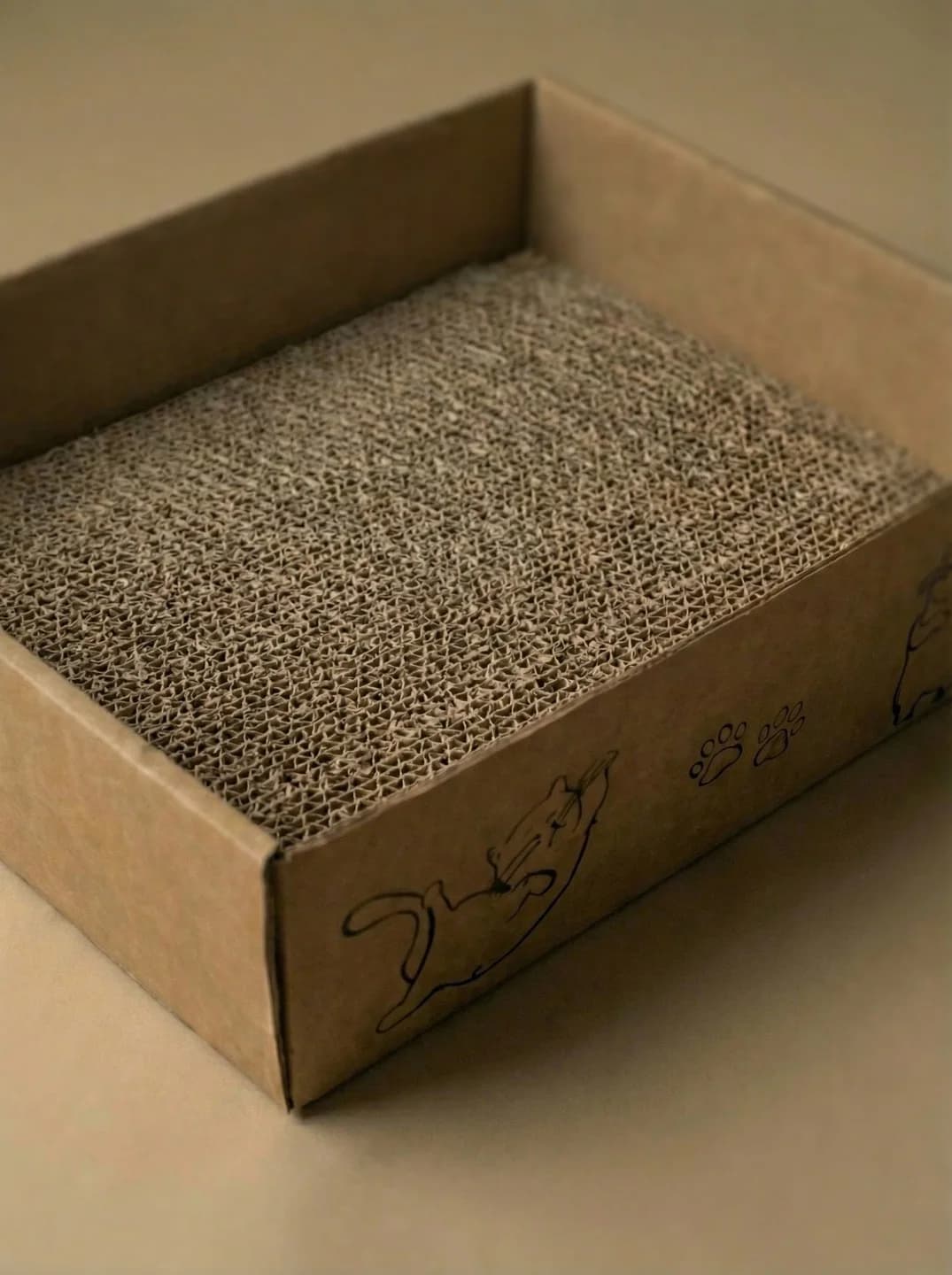
Simple is Perfect Cat Scratcher Bed
5x The Value (Bulk Savings) Why buy one thin pad when you can get a complete system? We include 5 high-density insert pads . Each pad is double-sided , meaning you effectively get …
Step 2: Make the Wall “Unpleasant”
Remove the reward factor from the wall itself.
- Texture Deterrents: Apply Anti-scratch film , Double-sided tape , or Tin foil . Cats hate the sticky or slippery sensation and will naturally choose the nearby sisal post instead.
- Scent Deterrents: Use specialized bitter sprays or citrus scents. Warning: Do not use strong irritants like chili water or menthol-based products (essential oils), as these can damage a cat’s sensitive smell or skin.
Step 3: Train New Habits
- Attract: Sprinkle catnip or silvervine on the new scratching post.
- Demonstrate: Scratch the post with your own fingernails. The sound may trigger the cat’s mimicry instinct.
- Reward: The moment they use the post, give them a treat or verbal praise immediately.
🚩 Deep Causes: When to Worry
Sometimes, excessive scratching signals a deeper issue.
- High Energy: If your cat goes crazy at night, they are bored. Solution: Play with them for at least 20 minutes a day to burn off energy.
- Anxiety: New home? New pet? Moving furniture? Scratching helps them self-soothe. Solution: Create a “safe zone” and consider using pheromone diffusers (like Feliway).
- Age Factor: Kittens aged 6 months to 1 year are in their peak behavioral development phase. They need more guidance and patience.
- Medical Issues: If the behavior starts suddenly and is accompanied by screaming or skin issues, see a vet to rule out pain or neurological problems.
Founder & Editor
Micky is the founder and editor of NookPetdia, sharing practical cat-care guidance and product-fit advice for everyday cat parents.
Written by Micky. Read our Editorial Policy.
The Real Reason Cats Scratch: A Complete Guide to Instincts, Solutions, and Nail Care
Why cats scratch, how to place posts that get used, nail care basics, and why declawing is not a fix.
Why CatsWhy Does My Cat Scratch the Mirror?
Cats scratch mirrors when a scentless reflection looks like a rival. Learn the common triggers and safer ways to stop the habit.
Why CatsWhy Is My Cat Scratching the Wall? (Instinct vs. Health Warning)
Learn why cats scratch walls, how to redirect the habit, and when wall scratching may point to stress or paw discomfort.
Why CatsWhy Do Cats Like Butt Scratches?
Learn why cats raise their rear during tail-base scratches, when to stop, and which sensitivity signs may need a vet.
Why CatsNew on NookPetdia
Latest articles
Black Cat Jewelry Guide (Style, Meaning, Gift Timing)
Black cats are the hardest subject to render in a small pendant and the best subject for silhouette work. Here is which styles hold up, what the symbolism actually carries, and the two dates worth planning a gift around.
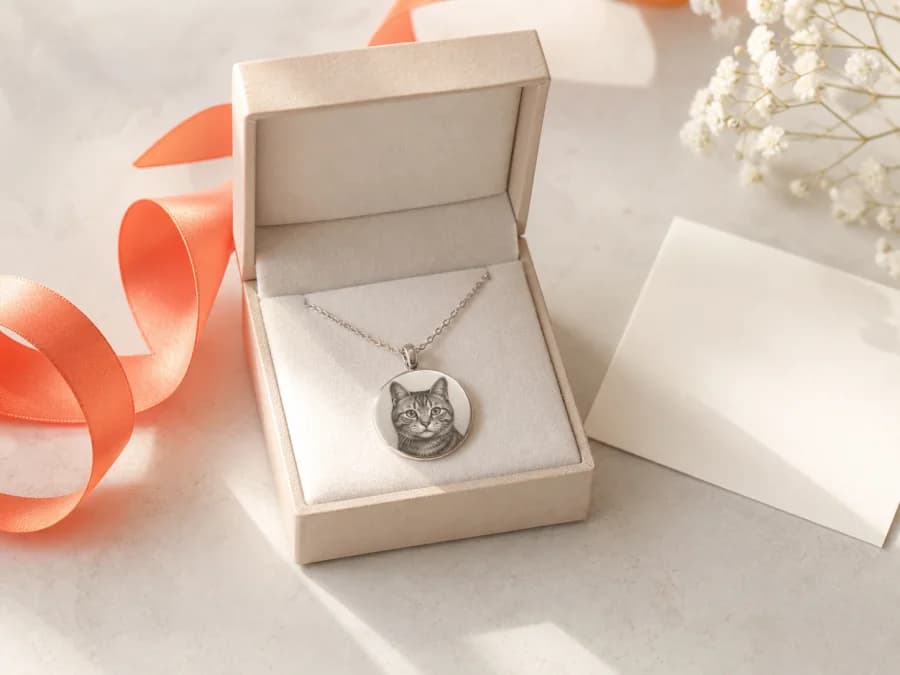
Cat Mom & Cat Dad Gift Ideas That Aren't Cheap Charms
Most cat-themed gifts are novelty items that get used twice. Here is how to buy something a cat parent keeps — including what to confirm about metal, sizing, and timing before you order anything personalized.
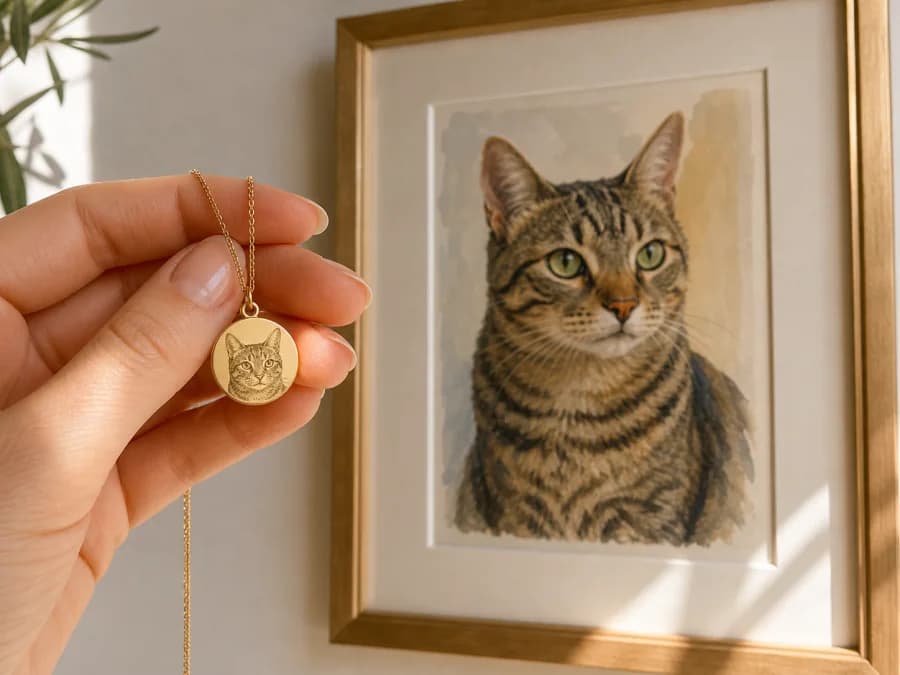
Custom Pet Portrait Jewelry vs Print: What's Worth Buying
Wearable portrait jewelry and framed pet portraits solve different problems. Here is how they compare on likeness, cost, durability, and daily use — and which one to commission first.