Scratch the base of your cat's tail and the rear may shoot up into the air. Owners often call that "elevator butt," and plenty of cats lean into it.
Touch-sensitivity note: stop petting if your cat whips around, growls, drools, ripples the skin, overgrooms, or acts painful. Those signs can overlap with skin, neurologic, orthopedic, or behavioral conditions that need veterinary guidance.
Why is that spot so charged? Part of the answer is physical. Part of it is social.
Cats often enjoy butt scratches because the base of the tail is packed with nerves and light touch can feel good. The same gesture can also echo kitten-era maternal grooming and, for some cats, signal trust toward a familiar person.
AI Summary
Overview
The base of the tail is nerve-dense, so light scratches can feel strongly pleasant for many cats.
The same area is linked to kitten-era maternal grooming, which may make the touch feel comforting.
Raising the rear and turning away can also signal trust, because the rear is a vulnerable body area.
Stop if the cat looks painful or agitated, and ask a vet about possible hyperesthesia, fleas, or skin irritation.
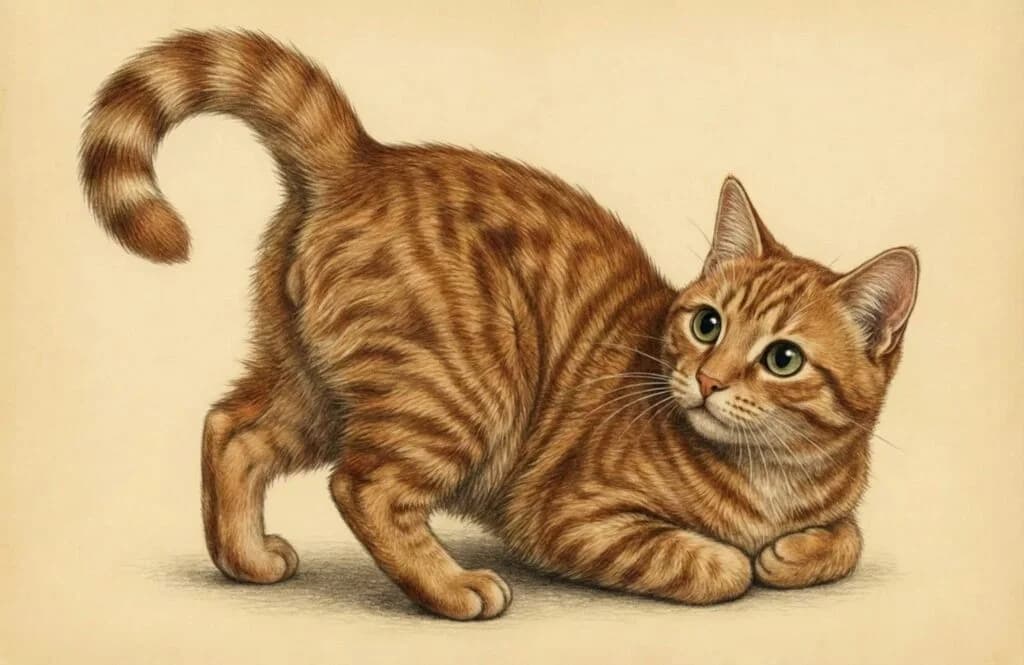
Anatomy: a nerve-dense spot
Feline behaviorists often point first to biology.
- Nerve density: The area around the base of the tail, near the tailbone, has many nerve endings, including the cauda equina. Gentle scratching or patting can overstimulate those nerves.
- The sensation: For many cats it lands somewhere between itchy and pleasurable, a bit like the relief people feel scratching a mosquito bite, only stronger. That can release endorphins and make the spot feel like a pleasure switch.
Psychology: early caregiving cues
The lift is not only about nerves. It also tracks back to kitten care.
- Maternal care: Mother cats lick a kitten's anal region to stimulate elimination and cleaning.
- Comfort association: When an adult cat presents the rear, they may be treating you like a trusted caregiver and revisiting that cared-for feeling from kittenhood.
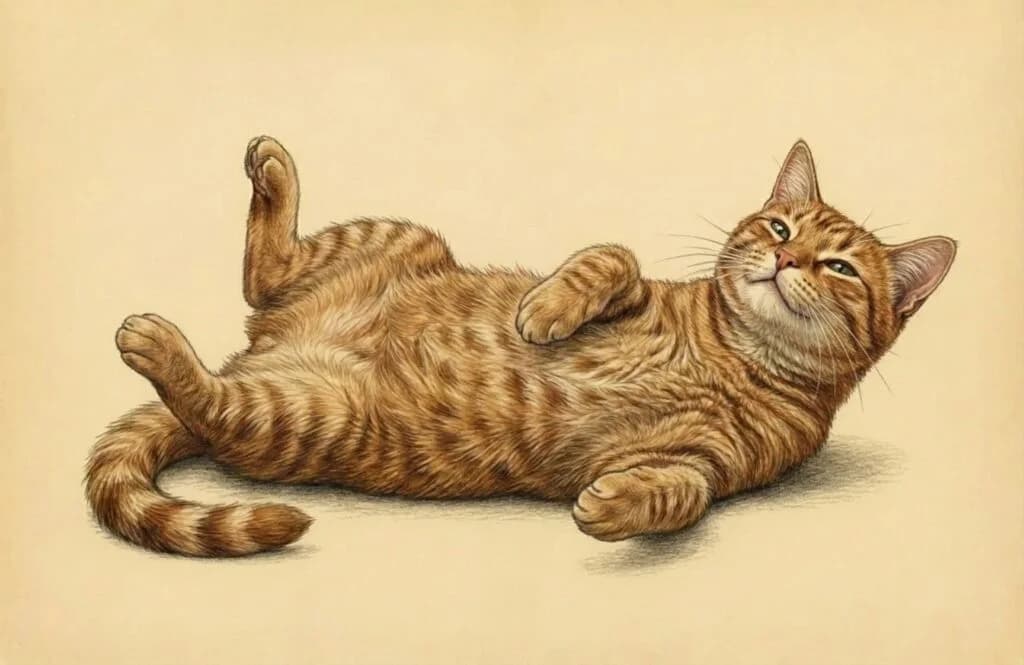
Communication: turning the back is a trust signal
Cats stay alert to risk, including people and other animals behind them.
- Vulnerability: The rear is a vulnerable part of the body. Turning away and raising the tail can mean, "I trust you enough to turn my back."
- Bonding cues: Purring or kneading while you scratch often reads as social bonding. They are sharing scent and settling into contact with someone they accept.
How to pet without overstimulating
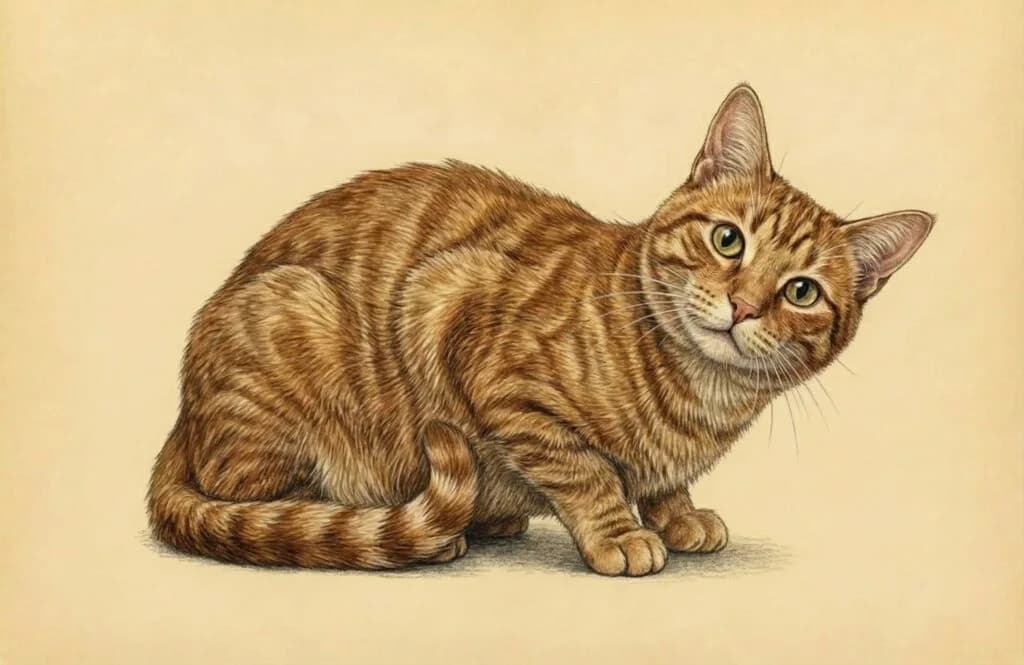
Liking the spot does not mean rough handling is fine. Keep the touch light so the sensation stays pleasant instead of tipping into overload.
When good touch starts to feel bad
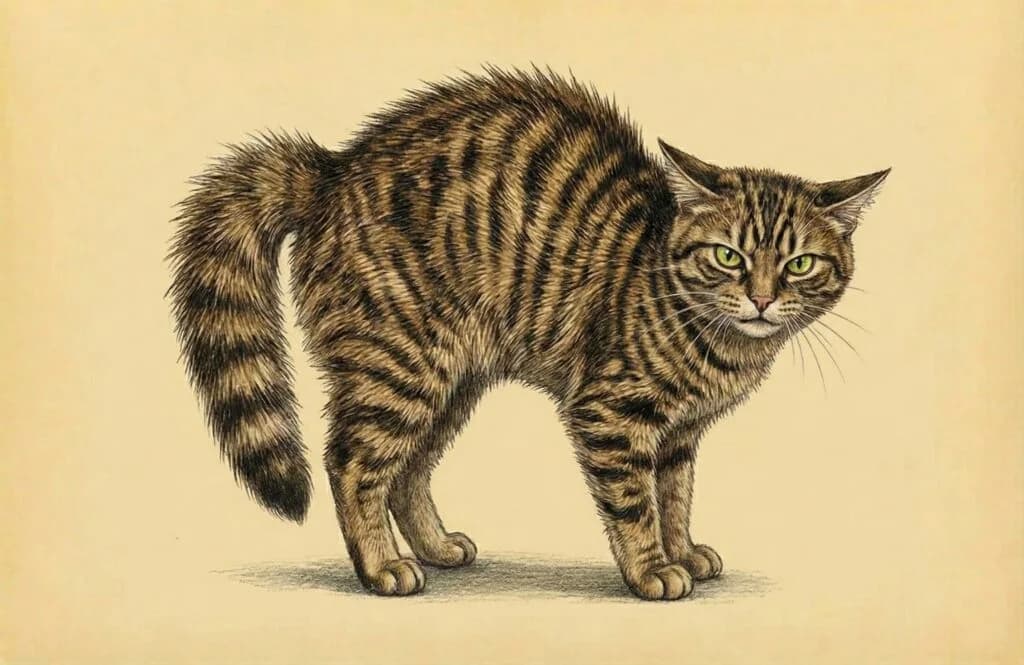
Not every cat wants this. Watch the body language and keep health issues in mind.
Individual preference
Cats differ. Some are hypersensitive here and find the touch annoying or painful. Stop if they pull away, tense up, or swat.
Feline hyperesthesia syndrome (FHS)
Odd reactions may point to a medical problem known as feline hyperesthesia.
- Signs: rippling skin on the back, manic grooming or biting at fur, dilated pupils, drooling, or sudden aggression when touched
- Next step: this is not a quirky preference. It is a neurological condition. If you see these signs, talk with a veterinarian promptly.
Parasites and skin irritation
If a cat keeps raising the butt or trying to scratch that area alone, check for fleas or other skin parasites. The base of the tail is a common hotspot for flea dirt and dermatitis.
References
Cornell Feline Health Center: Hyperesthesia Syndrome. https://www.vet.cornell.edu/departments-centers-and-institutes/cornell-feline-health-center/health-information/feline-health-topics/hyperesthesia-syndrome
VCA Animal Hospitals: Compulsive Disorders in Cats. https://vcahospitals.com/know-your-pet/cat-behavior-problems-compulsive-disorders-in-cats
Founder & Editor
Micky is the founder and editor of NookPetdia, sharing practical cat-care guidance and product-fit advice for everyday cat parents.
Written by Micky. Read our Editorial Policy.
FAQ
Frequently asked questions
The Real Reason Cats Scratch: A Complete Guide to Instincts, Solutions, and Nail Care
Why cats scratch, how to place posts that get used, nail care basics, and why declawing is not a fix.
Why CatsWhy Is My Cat Scratching the Walls? (And How to Fix It)
Stop wall scratching by meeting your cat’s scratching needs, protecting surfaces, and checking for stress or paw pain.
Why CatsWhy Does My Cat Scratch the Mirror?
Cats scratch mirrors when a scentless reflection looks like a rival. Learn the common triggers and safer ways to stop the habit.
Why CatsWhy Is My Cat Scratching the Wall? (Instinct vs. Health Warning)
Learn why cats scratch walls, how to redirect the habit, and when wall scratching may point to stress or paw discomfort.
Why CatsNew on NookPetdia
Latest articles
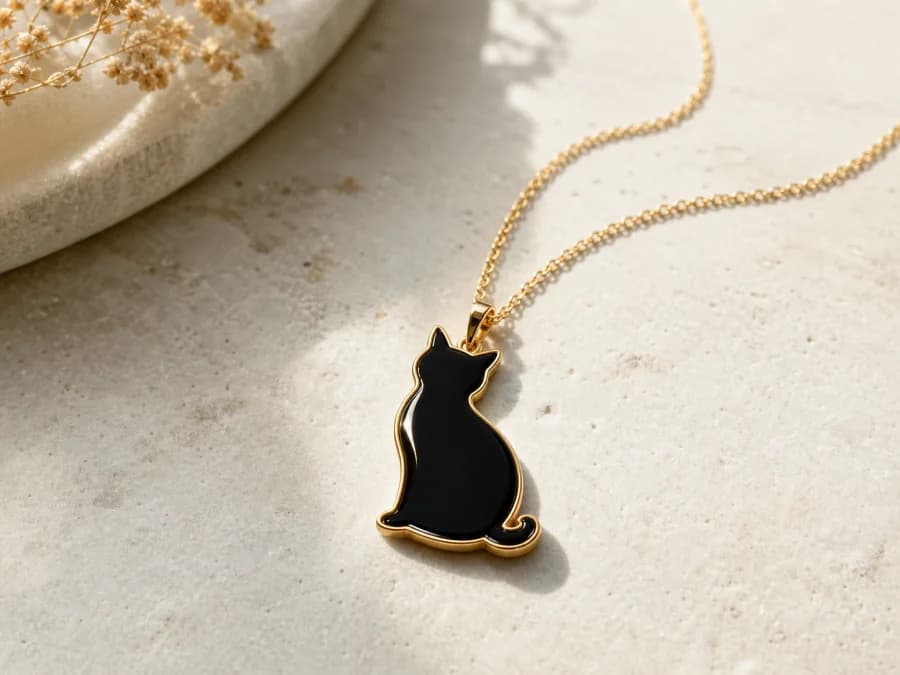
Black Cat Jewelry Guide (Style, Meaning, Gift Timing)
Black cats are the hardest subject to render in a small pendant and the best subject for silhouette work. Here is which styles hold up, what the symbolism actually carries, and the two dates worth planning a gift around.
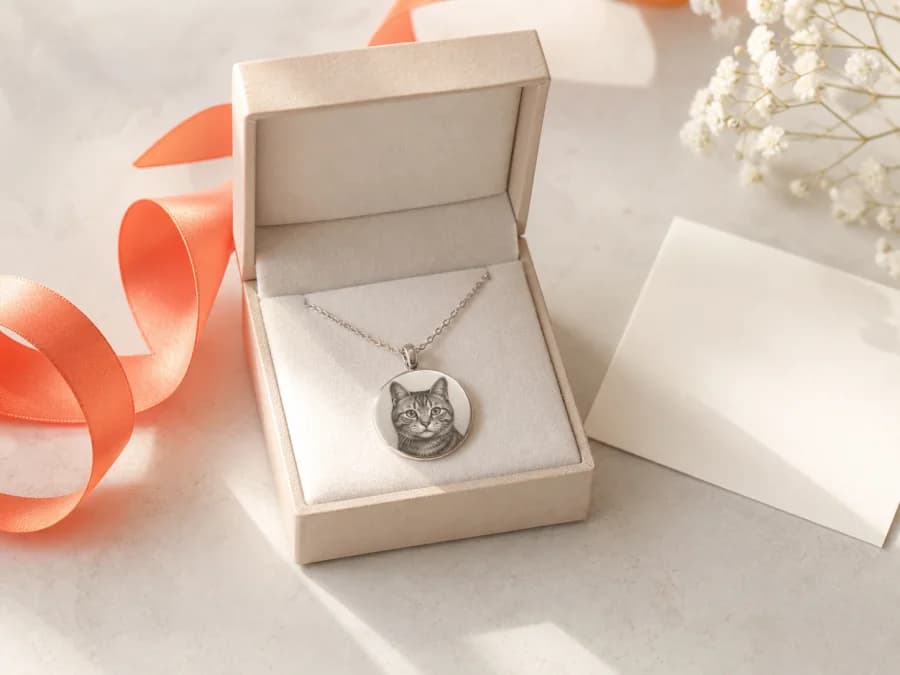
Cat Mom & Cat Dad Gift Ideas That Aren't Cheap Charms
Most cat-themed gifts are novelty items that get used twice. Here is how to buy something a cat parent keeps — including what to confirm about metal, sizing, and timing before you order anything personalized.
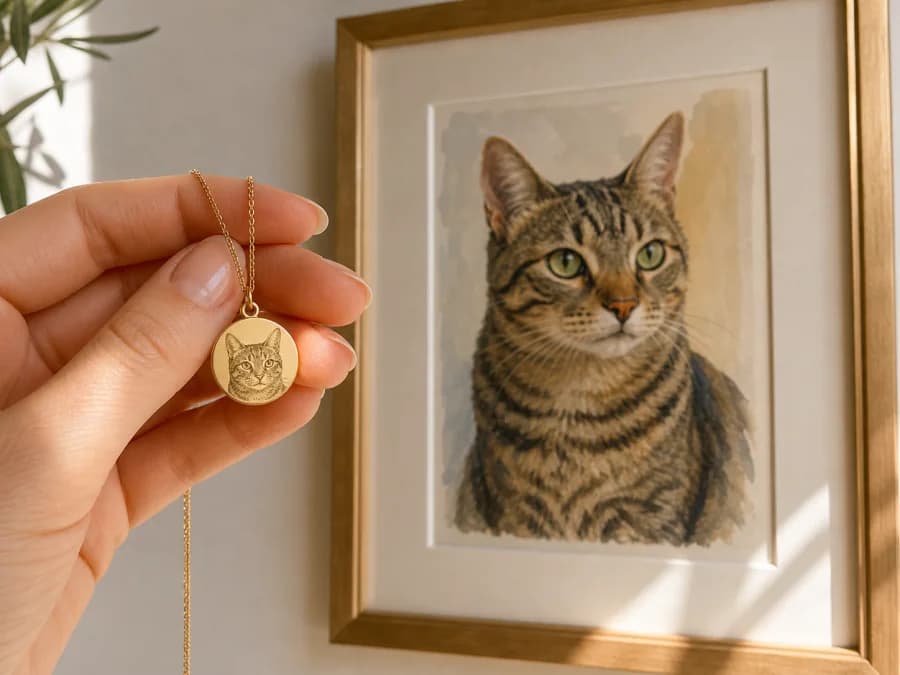
Custom Pet Portrait Jewelry vs Print: What's Worth Buying
Wearable portrait jewelry and framed pet portraits solve different problems. Here is how they compare on likeness, cost, durability, and daily use — and which one to commission first.