You bought a new sofa, and within three days the armrest looks like shredded wheat. It is easy to feel like the cat is doing it out of spite.
Paw health note: scratching is normal behavior, but sudden scratching changes can also come from pain, nail injury, skin irritation, or stress. Call your veterinarian if your cat limps, bleeds, has swollen toes, resists normal walking, or reacts painfully when a paw or nail is touched.
Scratching is not rebellion. Cats use it to keep claws usable, mark familiar places, and settle after stress. Trying to stop it completely means fighting a basic need.
AI Summary
Overview
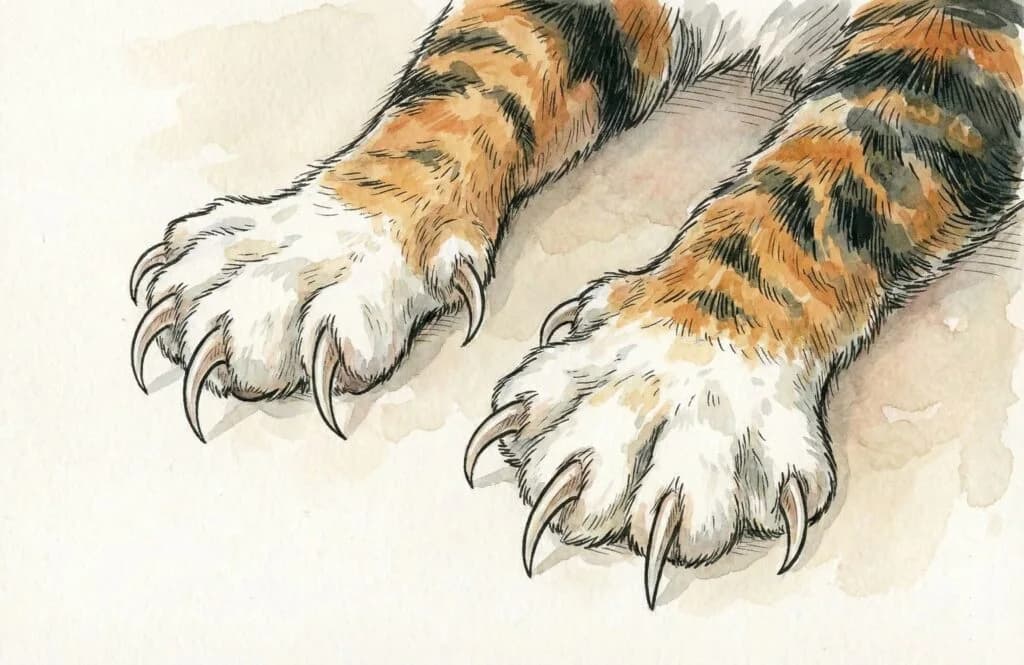
Nail care: Scratching pulls off dead outer nail sheaths so a sharper claw can come through.
Marking: Paw pads leave scent while shredded surfaces leave a visible mark.
Stress release: Many cats scratch after a scare or scolding as a way to settle down.
Placement: Posts work best near sleeping spots and rooms people actually use, not empty corners.
Why cats scratch
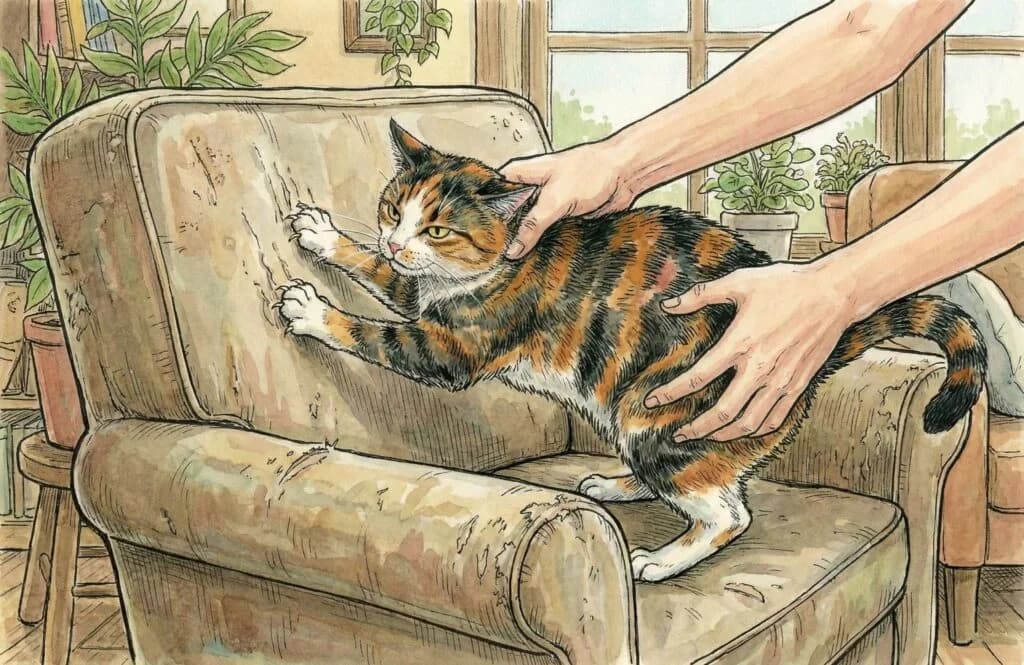
Furniture lasts longer when you work with the reasons cats scratch, not against them.
Nail renewal
Cats' claws grow in layers. The outer layer dies and hardens. Scratching rips off that dead sheath and leaves a sharper nail underneath, which keeps their claws ready for climbing and gripping.
Territory marking
Cats have scent glands between their paw pads. When they scratch, they leave two kinds of marks:
- Visual: shredded fibers show where they have been.
- Scent: pheromones from the pads make the spot feel familiar and claimed.
Together, those marks work like a private guestbook entry that helps a cat feel secure at home.
Stress release
Have you watched a cat run to a scratching post after a loud noise or a scolding? The repetitive pull can help them settle, similar to a person squeezing a stress ball. That does not mean they are plotting revenge. It means the body needs an outlet.
A social signal
Scratching also communicates in cat terms. Depending on context, it can show that a cat is fit enough to stretch and dig in, that they need an outlet after excitement or anxiety, or that a place already feels like home.
Why the sofa
Cats do not scratch at random. Sofas often lose because they sit in busy rooms.
- The problem: many owners hide scratching posts in corners or spare rooms.
- The cat's logic: mark areas where people spend time and where traffic already flows.
- The fix: place scratchers near sleeping areas for a morning stretch and in living spaces people actually use. If the post is not where life happens, it rarely wins.
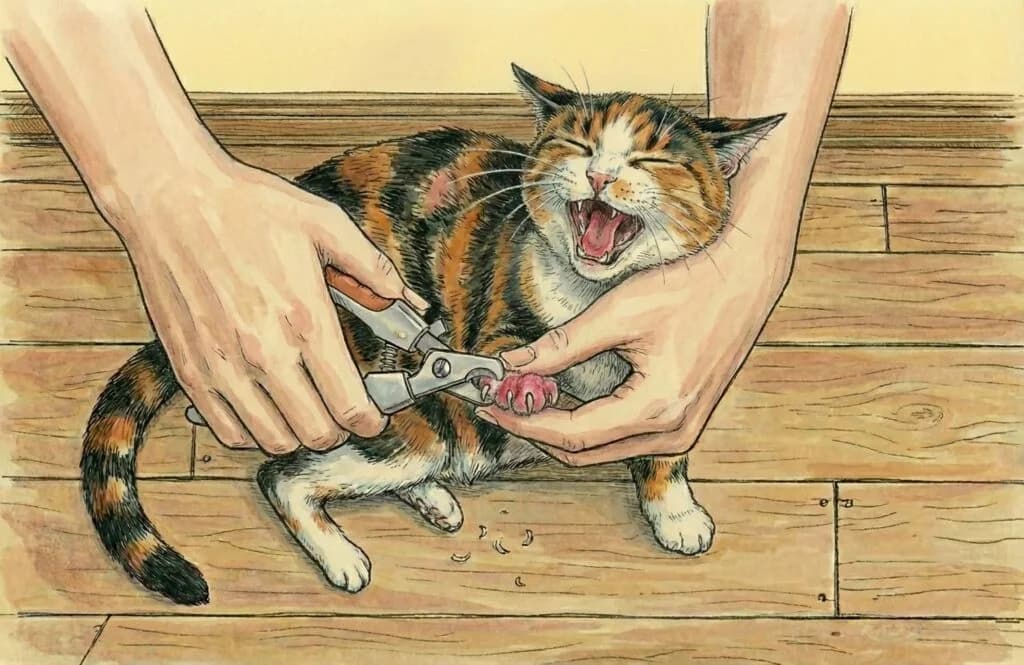
How to trim nails safely
Sometimes the damage is worse simply because the nails are long. Regular trimming helps, but only when it is done carefully and without forcing a fearful cat.
Critical warning: declawing
Some owners consider declawing (onychectomy) as a furniture fix. Do not do this.
It is not a nail trim
Declawing is major surgery that amputates the first knuckle of every toe. It is closer to cutting off a human fingertip at the top joint than to clipping a nail.
The consequences
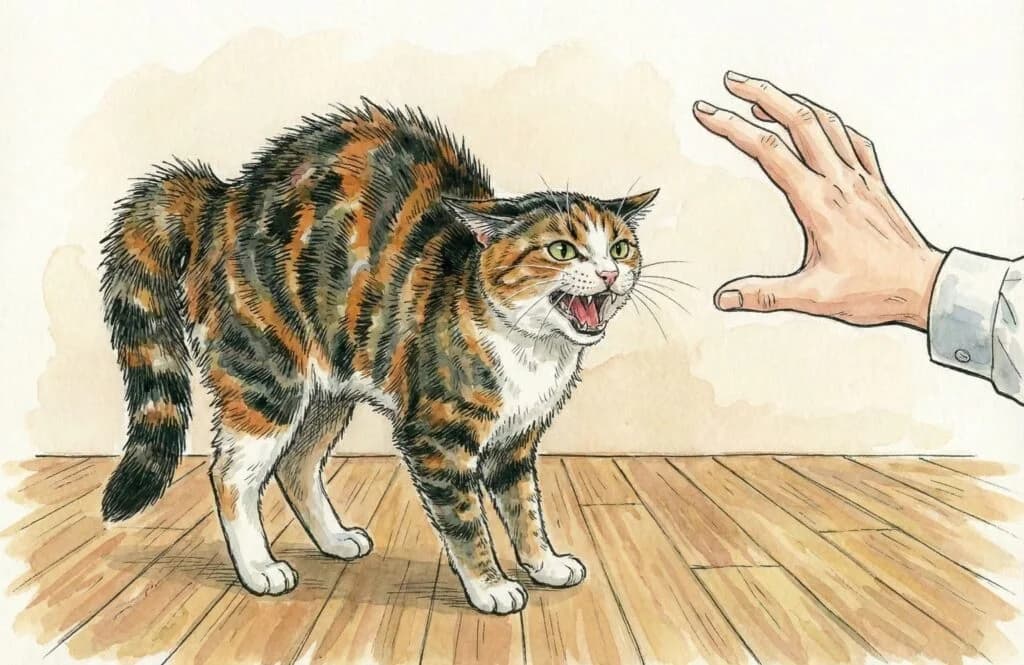
- Chronic pain: walking can stay painful long term. Some descriptions compare it to a pebble-in-the-shoe feeling.
- Behavior fallout: cats may bite more after losing a defense, and some refuse the litter box because digging hurts.
Guide the habit, do not punish it
A cat that scratches is often a cat that feels settled enough to claim space.
Instead of punishing the instinct, redirect it.
- Understand: it is a biological need, not malice.
- Guide: provide sturdy posts in the right spots, vertical for stretching and stable enough for real pulling.
- Respect: let them be cats on approved surfaces.
When your cat uses a post and looks relaxed afterward, that is a better signal than a slogan. The home setup is working.
References
Founder & Editor
Micky is the founder and editor of NookPetdia, sharing practical cat-care guidance and product-fit advice for everyday cat parents.
Written by Micky. Read our Editorial Policy.
Why Is My Cat Scratching the Walls? (And How to Fix It)
Stop wall scratching by meeting your cat’s scratching needs, protecting surfaces, and checking for stress or paw pain.
Why CatsWhy Does My Cat Scratch the Mirror?
Cats scratch mirrors when a scentless reflection looks like a rival. Learn the common triggers and safer ways to stop the habit.
Why CatsWhy Is My Cat Scratching the Wall? (Instinct vs. Health Warning)
Learn why cats scratch walls, how to redirect the habit, and when wall scratching may point to stress or paw discomfort.
Why CatsWhy Do Cats Like Butt Scratches?
Learn why cats raise their rear during tail-base scratches, when to stop, and which sensitivity signs may need a vet.
Why CatsNew on NookPetdia
Latest articles
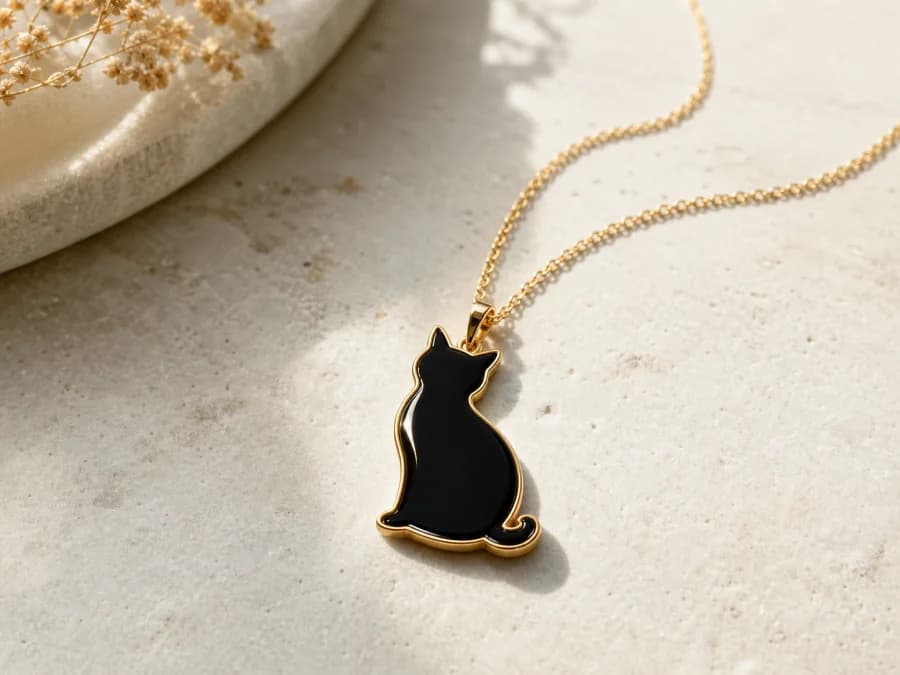
Black Cat Jewelry Guide (Style, Meaning, Gift Timing)
Black cats are the hardest subject to render in a small pendant and the best subject for silhouette work. Here is which styles hold up, what the symbolism actually carries, and the two dates worth planning a gift around.
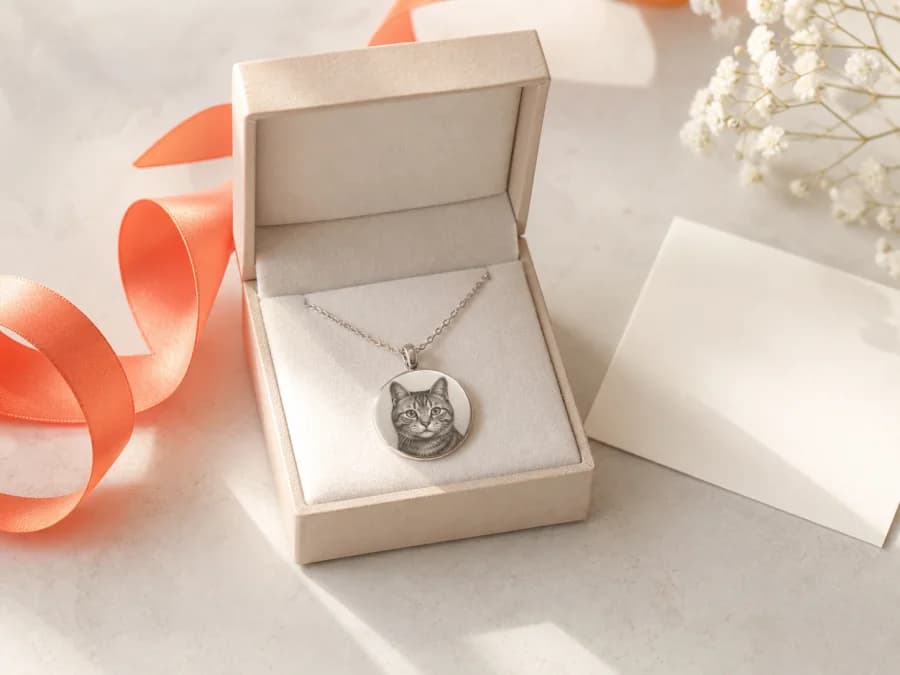
Cat Mom & Cat Dad Gift Ideas That Aren't Cheap Charms
Most cat-themed gifts are novelty items that get used twice. Here is how to buy something a cat parent keeps — including what to confirm about metal, sizing, and timing before you order anything personalized.
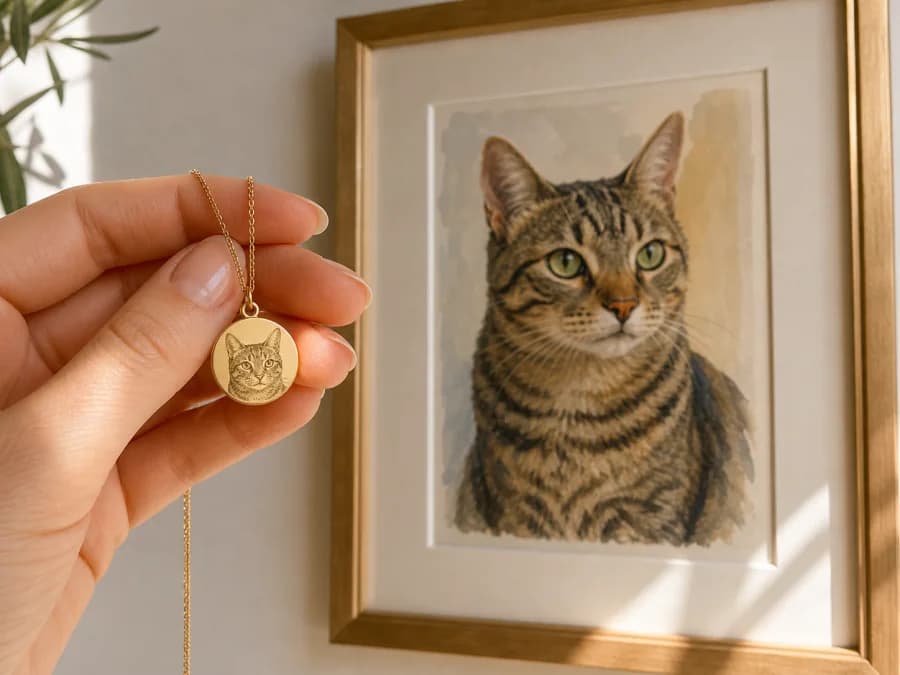
Custom Pet Portrait Jewelry vs Print: What's Worth Buying
Wearable portrait jewelry and framed pet portraits solve different problems. Here is how they compare on likeness, cost, durability, and daily use — and which one to commission first.