Hearing the sound of claws shredding your wallpaper is a nightmare for any cat owner. But before you get angry, it’s important to understand that scratching is a fundamental feline need, not an act of rebellion.
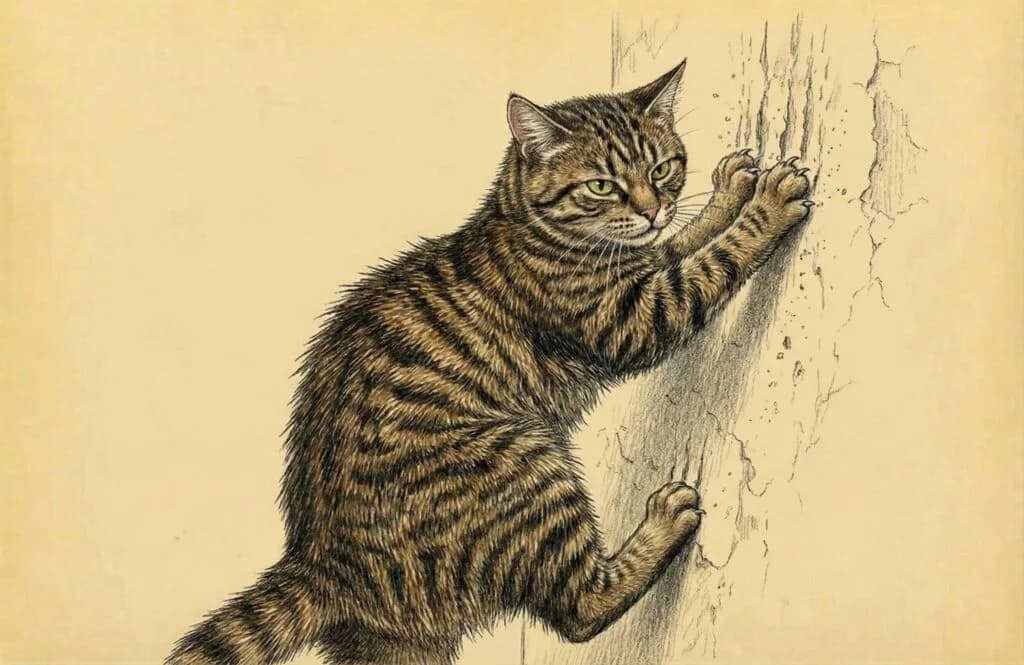
However, while scratching is normal, scratching walls can sometimes signal stress or even a nutritional deficiency.
Cats scratch walls primarily to groom their claws (removing dead sheaths) and to mark territory using scent glands in their paws. However, if your cat is also licking the wall or eating drywall dust, it could be a sign of Pica (a mineral deficiency) or anxiety.
1. The Biological Reasons: “This Is My House”
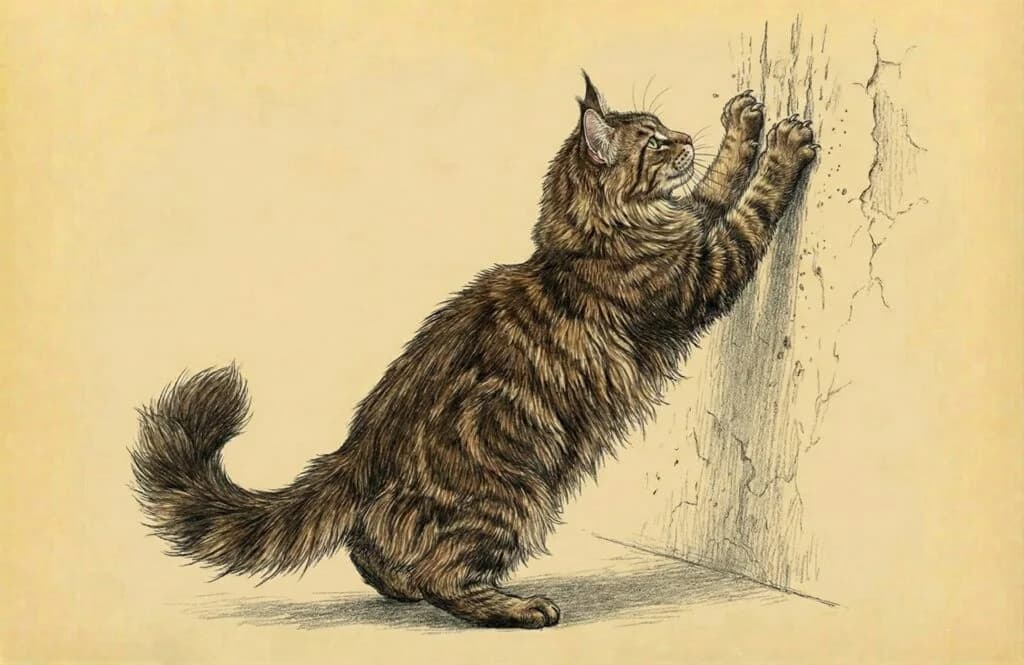
Most of the time, wall scratching is driven by natural instincts.
- Nail Maintenance: Scratching helps remove the dead outer layer of the claw, revealing the sharp new nail underneath. It also serves as a full-body stretch to flex their feet and claws.
- Scent Marking: Cats have scent glands in their paw pads. When they scratch a vertical surface (like your wall or door frame), they leave behind a chemical signature that says, “This territory belongs to me.” It creates a sense of security.
2. Emotional Triggers: Stress and Boredom
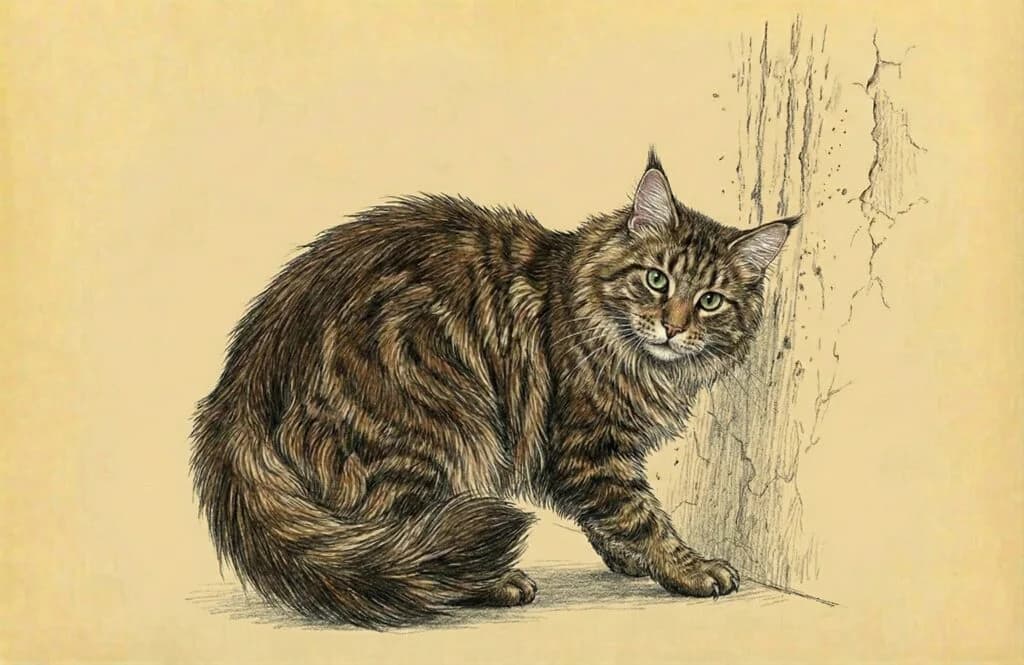
Your wall might be the victim of your cat’s emotional state.
- Pent-up Energy: If your cat is home alone all day, they may have a “burst of energy” (zoomies) at night. Scratching provides a physical outlet for this excess energy.
- Anxiety & Change: Cats are creatures of habit. New furniture, a new pet, or moving house can trigger anxiety. Scratching helps them relieve stress and re-establish ownership of their environment.
- Age Factor: This behavior often peaks between 6 months to 1 year of age as kittens explore and test boundaries.
⚠️ Medical Red Flags: When to See a Vet
Sometimes, the behavior isn’t behavioral—it’s a cry for help. Watch out for these warning signs:
Is it Pica? (The Wall-Eating Disorder)
If your cat isn’t just scratching but also licking the wall , chewing drywall, or eating dirt, they may have Pica . This is often caused by:
- Nutritional Deficiency: A lack of trace elements like Calcium or Zinc.
- Gastrointestinal Issues: Severe stomach discomfort.
Other Health Signals
- Parasites: If the cat is also frantically grooming or biting their skin, it could be external parasites (fleas) causing itchiness.
- Sudden Behavioral Shifts: If the scratching starts suddenly and is accompanied by screaming, inappropriate urination, or loss of appetite, consult a vet immediately.
🛠️ How to Stop Your Cat From Scratching Walls
Punishment rarely works. Instead, you need to redirect the behavior. Here is a proven strategy:
🔎 FAQ
Q: Why does my cat scratch the wall after using the litter box?
A: This is usually an attempt to cover their scent (even if they missed the box) or to clean their paws.
Q: Do cats grow out of scratching walls?
A: Not necessarily. While it peaks in adolescence, it can become a lifelong habit if not redirected to a scratching post.
Founder & Editor
Micky is the founder and editor of NookPetdia, sharing practical cat-care guidance and product-fit advice for everyday cat parents.
Written by Micky. Read our Editorial Policy.
The Real Reason Cats Scratch: A Complete Guide to Instincts, Solutions, and Nail Care
Why cats scratch, how to place posts that get used, nail care basics, and why declawing is not a fix.
Why CatsWhy Is My Cat Scratching the Walls? (And How to Fix It)
Stop wall scratching by meeting your cat’s scratching needs, protecting surfaces, and checking for stress or paw pain.
Why CatsWhy Does My Cat Scratch the Mirror?
Cats scratch mirrors when a scentless reflection looks like a rival. Learn the common triggers and safer ways to stop the habit.
Why CatsWhy Do Cats Like Butt Scratches?
Learn why cats raise their rear during tail-base scratches, when to stop, and which sensitivity signs may need a vet.
Why CatsNew on NookPetdia
Latest articles
Black Cat Jewelry Guide (Style, Meaning, Gift Timing)
Black cats are the hardest subject to render in a small pendant and the best subject for silhouette work. Here is which styles hold up, what the symbolism actually carries, and the two dates worth planning a gift around.
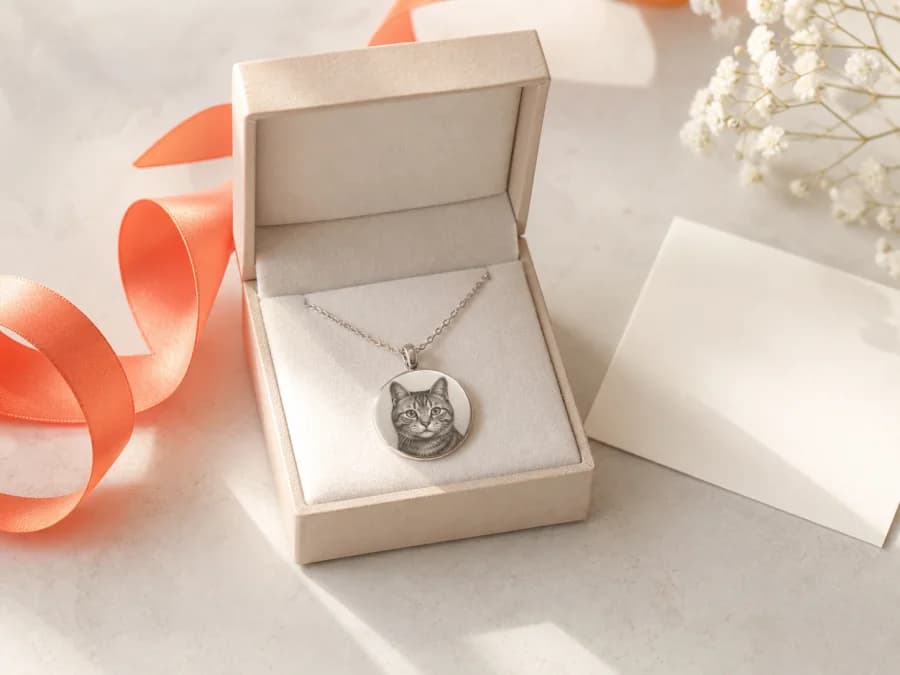
Cat Mom & Cat Dad Gift Ideas That Aren't Cheap Charms
Most cat-themed gifts are novelty items that get used twice. Here is how to buy something a cat parent keeps — including what to confirm about metal, sizing, and timing before you order anything personalized.
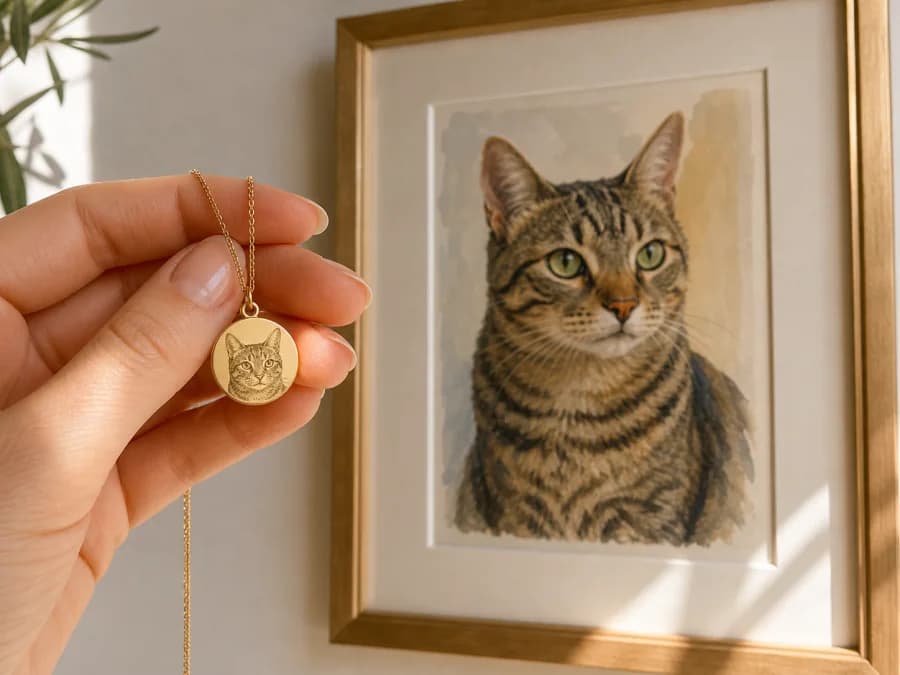
Custom Pet Portrait Jewelry vs Print: What's Worth Buying
Wearable portrait jewelry and framed pet portraits solve different problems. Here is how they compare on likeness, cost, durability, and daily use — and which one to commission first.